


 設置イメージを確認
 送る
送る シェア
シェア
 詳細情報
詳細情報 ガイドを表示

 画像をダウンロード
 似ている作品
 X線調査
X線調査 スライドショー
 統計情報
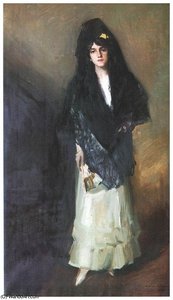
統計情報La gitane
 続きを読む
続きを読む
このページに掲載されている作品は著作権法によって保護されており、当社の許可なく同一の複製物を制作または販売することは法律で禁じられています。この保護は、以下のような国際条約に基づき執行されます。 ベルヌ条約 および、以下の条項に定められたものを含む各国の法律により、 米国著作権法 第17編。
敬意を払った法的な代替手段として、私たちはオリジナルにインスピレーションを与えられた、カスタムの手描きアートワークを提供しています。私たちの熟練したプロのアーティストは、元の作品が持つスタイル、情緒、そして芸術的なエッセンスを注意深く研究し、独自の創作物でありながら、同じ感性を呼び起こすような、新しくユニークな作品を作り上げます。
この手法は、著作権で保護された作品の複製や複写を伴わないため、著作権法に完全に準拠しています。これは単なる模倣ではなく、創造的な再解釈です。元の作品からインスピレーションを受けつつも、それとは異なる、全く新しい絵画を生み出すものです。
手描き油彩複製画
当社のアーティストが、お客様のご希望のサイズと額縁に合わせて、キャンバスに手描きで制作する油彩画です。 ( プリント版に切り替え デジタル画像販売へ切り替え)




































作品のオリジナル比率に合わせた、当店の規定サイズからお選びください。

フレームや壁のスペースに合わせて、ご希望の幅と高さを入力してください。本作品は手描きのため、異なる比率のサイズをご希望の場合、絵画の周囲を少し広げて描くか、あるいは端を少しカットして調整することが可能です。お客様のご要望に合わせます。制作を開始する前に、仕上がりを確認するためのデジタルモックアップをお送りいたします。このページに表示されている画像は完成品の実物ではなく、あくまでモックアップによるイメージです。
ご注文後、AllPaintingsStore.com チームより詳細な指示をお送りするとともに、仕上がりイメージ(モックアップ)をご提供いたします。


 ガラスオプションは、110cm未満のサイズでのみご利用いただけます。

La gitane
再現技法
複製画サイズ一覧
-


合計金額
¥ 40941
関連作品



アーティストについて
Merlette Charles Claude: A Franco-Prussian War Painter of Dramatic Intensity
Merlette Charles Claude (1845 – 1899) remains a compelling, if somewhat enigmatic, figure in 19th-century French art. His oeuvre is dominated by scenes of the Franco-Prussian War and intimate portraits, reflecting both a profound engagement with historical events and an acute sensitivity to human emotion. Born in Paris, Claude’s artistic journey was shaped by a confluence of influences – the burgeoning realism of the time, the romanticism that still lingered in the artistic consciousness, and crucially, his own experiences during the conflict that defined much of his work.
Claude's early life offered little indication of the dramatic career he would forge. He received a formal artistic education at the École des Beaux-Arts in Paris, where he initially focused on historical painting. However, it was the outbreak of the Franco-Prussian War in 1870 that irrevocably altered his trajectory. Unlike many artists who sought to glorify military victory, Claude chose to document the brutal realities of war – the chaos, the suffering, and the psychological toll on soldiers and civilians alike. This decision immediately set him apart, establishing a reputation for unflinching honesty and a willingness to confront uncomfortable truths.
The Shadow of the Franco-Prussian War
Claude’s most celebrated works are undoubtedly those depicting scenes from the Franco-Prussian War. These paintings aren't romanticized battle scenes filled with heroic charges; instead, they capture moments of intense anxiety, exhaustion, and despair. His “Cuirassier de la guerre de 1870” (Cuirassier of the 1870 War) is a prime example – a dynamic composition depicting a weary cavalryman amidst the smoke and confusion of battle. The figures are rendered with remarkable detail, conveying not just their physical appearance but also their emotional state: the grim determination etched on the soldier’s face, the slumped posture reflecting exhaustion, and the palpable sense of dread hanging in the air.
Beyond individual combat scenes, Claude frequently depicted civilian life during the war – families huddled together for safety, women tending to wounded soldiers, and children witnessing unimaginable horrors. These intimate portrayals underscored the human cost of conflict, moving beyond a purely military narrative to explore the broader societal impact of the war. His meticulous attention to detail—the worn clothing, the expressions of fear and grief—created a powerful sense of immediacy and empathy for those affected by the conflict.
Portraits: Capturing Character and Emotion
While his wartime paintings garnered significant attention, Claude was equally adept at portraiture. His portraits are characterized by their psychological depth and ability to capture not just physical likeness but also a subject’s inner character. “Grand portrait de Madame Merlette” (Grand Portrait of Madame Merlette) exemplifies this skill – a sophisticated depiction of a woman radiating quiet dignity and intelligence. The painting is notable for its subtle use of light and shadow, which creates a sense of depth and atmosphere, and for the artist's keen observation of his subject’s features and expression.
Similarly, “Portrait de Madame Merlette” (Portrait of Madame Merlette) reveals a similar sensitivity to capturing the essence of his sitter. Claude skillfully employed color and composition to convey her personality—her poise, her intelligence, and perhaps even a hint of melancholy. These portraits demonstrate Claude’s ability to transform a simple likeness into a profound exploration of human psychology.
Influences and Artistic Style
Claude's artistic style is difficult to pigeonhole neatly. He was influenced by the Realist movement, particularly in his commitment to depicting everyday life with accuracy and honesty. However, he also retained elements of Romanticism—a heightened sense of emotion, dramatic lighting, and a fascination with historical events. His work can be seen as bridging the gap between these two movements.
Furthermore, Claude’s exposure to Impressionist techniques during his time in Paris is evident in his use of color and brushwork. While he never fully embraced the Impressionists' radical approach, he incorporated some of their principles—such as capturing fleeting moments of light and atmosphere—into his paintings. His work reflects a willingness to experiment and evolve throughout his career.
Legacy and Historical Significance
Merlette Charles Claude’s contribution to French art lies in his unflinching portrayal of the Franco-Prussian War and his ability to capture the emotional complexities of human experience. His paintings offer a valuable historical record of a tumultuous period, but more importantly, they provide insights into the psychological impact of war on individuals and society. While he may not be as widely celebrated as some of his contemporaries, Claude’s work continues to resonate with viewers today due to its honesty, emotional depth, and enduring relevance.
His legacy is further cemented by works like “Hussard de la guerre de 1870,” which stands as a testament to his ability to transform historical events into powerful and moving artistic statements. Claude’s art serves as a poignant reminder of the human cost of conflict and the importance of remembering the past.

アーティスト情報
- Artistic Movement Or Style: Historical Painting
- Artists Or Movements Influenced By This Artist: ['Rouen School Impressionists']
- Artists Who Influenced This Artist: ['Albert Charles Lebourg']
- Date Of Death: 1899
- Full Name: Charles Claude Merlette
- Nationality: French
- Notable Artworks:
- Cuirassier de la guerre de 1870
- Grand portrait de Madame Merlette
- Portrait de Madame Merlette
- Place Of Birth: Paris, France

