


 設置イメージを確認
 送る
送る シェア
シェア
 詳細情報
詳細情報 ガイドを表示

 画像をダウンロード
 似ている作品
 X線調査
X線調査 スライドショー
 統計情報
統計情報Midas and Bacchus

 続きを読む
続きを読む
ジークレー/アートプリント
スピーディーな制作と多彩な仕上げオプションが魅力の、ミュージアムクオリティなジークレー・キャンバスプリント。 ( 手描きの複製画を注文する デジタル画像販売へ切り替え)




P118B ¥10

P118H ¥10

P118W ¥10

P438Z ¥10

P508JH ¥12

P508YH ¥12

P805H ¥10

P805Z ¥10

P919BZ ¥10

P919G ¥10

P919XJ ¥10

P959ZH ¥10

P968JZ ¥12

W106C ¥8

W218G ¥10

W218JH ¥8

W218Y ¥10

W307PJ ¥10

W316G ¥10

W316PJ ¥8

W316Y ¥10

W398PJ ¥8

W4111J ¥10

W500HY ¥15

W500JH ¥15

W692G ¥12

W849H ¥8

W940BG ¥15

W953PJ ¥8




作品のオリジナル比率に合わせた、当店の規定サイズからお選びください。

額縁や壁のスペースに合わせて、ご希望の幅と高さを入力してください。プリントはカットすることは可能ですが、元の画像より大きくすることはできないため、異なる比率のサイズを選択された場合は、画像の一部が欠けることになります。印刷を開始する前に、内容を確認していただくためのデジタルモックアップをお送りいたします。このページに表示されている画像は、実際のカット後の状態を示すものではありません。実際の仕上がりはモックアップにてご確認ください。


 ガラスオプションは、110cm未満のサイズでのみご利用いただけます。

Midas and Bacchus
ジークレー/アートプリント
複製画サイズ一覧
-


合計金額
¥ 10156
A Symphony of Light and Antiquity: Exploring Nicolas Poussin’s Midas and Bacchus
Nicolas Poussin's "Midas and Bacchus" stands as an emblem of French Baroque painting, yet its genesis lies firmly within the Italian Renaissance tradition. Completed around 1648-1650, this monumental canvas transcends mere depiction; it embodies a profound meditation on myth, desire, and the transformative power of divine grace—themes central to Poussin’s artistic philosophy. The painting resides in the Musée du Louvre, Paris, where its breathtaking scale and meticulous detail continue to captivate audiences centuries after its creation.- Subject Matter: Drawn from Greek mythology, “Midas and Bacchus” recounts the tale of King Midas’s hubristic wish—to turn everything he touched into gold—and his subsequent encounter with Dionysus (Bacchus), god of wine and revelry. The scene unfolds in a stylized Roman landscape, populated by figures representing both earthly pleasure and spiritual contemplation.
- Style: Poussin’s style is characterized by its serene composure and masterful use of chiaroscuro—the dramatic interplay between light and shadow—a technique perfected during his formative years in Rome. Unlike the exuberant dynamism of Caravaggio, Poussin prioritizes balance and harmony, striving to convey an idealized vision of beauty.
Technique: The Art of Illusion – Mastering Chiaroscuro and Atmospheric Perspective
Poussin’s technique exemplifies the Renaissance preoccupation with scientific observation. He meticulously studied aerial perspective—the gradual blurring of distant objects due to atmospheric haze—creating an illusion of depth that surpasses mere visual representation. Layers upon layers of thinly applied paint, painstakingly blended by hand, contribute to the painting's luminous quality and enhance its sense of realism. The artist’s meticulous attention to detail extends beyond the figures themselves; he renders every leaf, stone, and ripple of water with astonishing accuracy.Symbolism: Divine Intervention and Moral Reflection
Beyond its visual splendor, “Midas and Bacchus” is laden with symbolic significance. Dionysus’s presence represents divine indulgence and the allure of sensual gratification—a stark contrast to Midas's folly. The shepherdess, positioned centrally in the composition, embodies purity and innocence, serving as a moral counterpoint to the king’s avarice. Furthermore, the golden fleece adorning Midas’s tunic symbolizes wealth and earthly ambition, ultimately undermined by the transformative influence of Dionysus’s wine—a reminder that true happiness resides not in material possessions but in spiritual enlightenment.Emotional Impact: Tranquility Amidst Chaos – A Vision of Sublime Beauty
Despite its narrative complexity, “Midas and Bacchus” exudes an aura of profound tranquility. Poussin’s masterful orchestration of light and color evokes a sense of sublime beauty—a feeling akin to awe and wonder—inspiring contemplation on the human condition. The painting's stillness belies the tumultuous events unfolding within its frame, suggesting that inner peace can prevail even amidst external pressures. It remains an enduring testament to Poussin’s artistic genius and his unwavering commitment to conveying a vision of idealized harmony.Concluding Thoughts: An Artistic Legacy Enduring Through Time
“Midas and Bacchus” continues to resonate with audiences today, securing its place as one of the most celebrated paintings of the Baroque era. Its influence can be discerned in countless subsequent artworks—a testament to Poussin’s pioneering role in establishing a new aesthetic standard. More than simply a depiction of mythic narrative, it represents an exploration of fundamental human concerns—desire, morality, and the pursuit of spiritual fulfillment—making it an invaluable contribution to the history of art and a source of inspiration for generations of artists.よくあるご質問
ニコラ・プーサン作「Midas and Bacchus」の雰囲気はどのように表現されていますか?
「Midas and Bacchus」は、Elegantな雰囲気を纏っています。
「Midas and Bacchus」の色同士は、どのように調和していますか?
ニコラ・プーサン作「Midas and Bacchus」の色使いは、Strong Color Unityな調和を見せています。ここでの「調和」とは、色彩同士が互いにどのように響き合っているかを表しています。
ニコラ・プーサン作「Midas and Bacchus」に似た作品はどこで見つけることができますか?
ニコラ・プーサン作「Midas and Bacchus」に似た作品は、作品の似ている作品ページにまとめられています。


アーティストについて
ニコラ・プーサン:古典の精神を体現した画家
フランス絵画史において、ニコラ・プーサンはその名が古典主義の頂点を象徴する。1594年ノルマンディー地方のレ・アンデリーで生まれ、生涯の多くをローマで過ごした彼は、単なる風景を描く画家ではなく、古代ギリシア・ローマの世界に深く根ざし、その精神を絵画を通して表現した芸術家だった。幼少期からラテン語や文学に触れ、才能ある画家であったクアントゥ・ヴァランの下で基礎を学んだプーサンは、1612年にパリへ移り、ジョルジュ・ラルレマンやフェルディナン・エルの工房で研鑽を積む。しかし、彼の芸術的運命を決定づけたのは、1624年のローマへの旅だった。そこは、古代の遺産が息づく地であり、プーサンにとって無限のインスピレーションを与え続ける聖地となったのである。初期の作品にはヴェネツィア派の影響が見られ、ティツィアーノのような色彩豊かな表現も覗かせるものの、すぐに秩序と知的な厳格さが彼のスタイルを特徴づけるようになる。ローマでの成熟:古典理想の追求
ローマはプーサンにとって単なる制作拠点ではなく、芸術的・知的探求の場となった。カシアノ・ダル・ポッツォとの出会いは、彼の人生における重要な転換点となる。ダル・ポッツォの古代遺跡に対する深い理解と記録への情熱は、プーサンに歴史的正確さと普遍的な美を追求する姿勢を植え付けた。ローマでの生活を通して、プーサンはラファエロの作品を徹底的に研究し、その調和のとれた構成と優雅な形態を取り入れながらも、独自の芸術世界を構築していく。古代彫刻や文献からもインスピレーションを得て、彼の絵画は単なる物語の再現ではなく、道徳的・哲学的理想を体現した高尚な芸術へと昇華していった。プーサンは、感情的な奔放さを排し、明瞭さ、均衡、そして線描による構成を重視することで、古典主義絵画の新たな地平を開いたのである。歴史、神話、そして聖なる主題
プーサンの作品は、古代史、神話、宗教といった多様なテーマを探求しているが、その根底には常に普遍的な人間経験への深い洞察があった。ネルガリクスの死という悲劇を描くことで、彼は人間の運命の儚さと高潔さを表現し、神話画においては、単なる物語の再叙述ではなく、人間の本質や哲学的な考察を深める試みを見せている。『アルカディア』シリーズ、特に象徴的な『エト・イン・アルカディア・エゴ(我もまたアルカディアに)』は、死と記憶、そして過ぎ去りゆく時間という普遍的なテーマを深く掘り下げた作品として知られている。七つの秘跡の連作は、プーサンが神学的な理解と構成力を結集した壮大な試みであり、宗教画においても感情的な過剰さを避け、静謐で威厳のある表現を追求していることがわかる。晩年には、広大な風景を描くことで、自然との調和や精神的な安寧を表現し、人間の内面世界との深いつながりを暗示している。フランス美術への影響と遺産
プーサンは、一時的にフランスに戻りルイ13世の宮廷画家として活動したものの、その職務に苦悩し、すぐにローマへと帰還した。しかし、彼の古典主義的な芸術思想は、フランス美術に多大な影響を与え、アカデミー・ロワイヤル・ド・ペinture エ スкульпチュールにおいて重要な役割を果たした。ジャック=ルイ・ダヴィッドやポール・セザンヌといった後世の画家たちは、プーサンの厳格なアプローチと知的な深遠さに感銘を受け、その影響を強く受けた。プーサンは、単なる様式模倣を超え、秩序、明瞭さ、そして古典的理想への揺るぎない信念を体現した芸術家として、フランス絵画史に不朽の足跡を残したのである。- 主要作品: 『ネルガリクスの死』、『七つの秘跡シリーズ』、『ローマ街道』、『オリオンの盲目』、『四季』
- 特徴: 古典的な構成、線描による表現、歴史的・神話的主題、静謐な風景描写
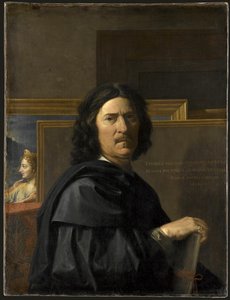
ニコラ・プーサン
1594 - 1665 , フランス
アーティスト情報
- フルネーム: ニコラ・プーサン
- 主な作品:
- Germanicusの死
- 七つの秘跡シリーズ
- ローマの道
- オリオン
- 四季
- 出生地: ル・アーヴル、フランス
- 国籍: フランス
- 影響を与えたアーティスト:
- ジャック=ルイ・ダヴィッド
- ポール・セザンヌ
- 影響を受けたアーティスト:
- ラファエロ
- ティツィアーノ
- 死亡年月日: 1665年11月19日
- 生年月日: 1594年6月
- 芸術運動またはスタイル: バロック、クラシシズム
関連記事

Baroque Classicism: A Professional Guide to Integrating Timeless Grandeur into Luxury Hotel Interiors
Elevate luxury hospitality with Baroque Classicism. Our guide for hotel designers explores integrating grand, classical oil reproductions into professional interiors. Discover efficient bulk procurement, custom sizing, and large-format murals to create timeless, high-impact spaces.


