


 設置イメージを確認
 送る
送る シェア
シェア
 詳細情報
詳細情報 ガイドを表示

 画像をダウンロード
 似ている作品
 X線調査
X線調査 スライドショー
 統計情報
統計情報Interior
 Impressionism
 1938
1938 59.0 x 45.0 cm
 ボスニア・ヘルツェゴビナ国立美術館
 続きを読む
続きを読む
このページに掲載されている作品は著作権法によって保護されており、当社の許可なく同一の複製物を制作または販売することは法律で禁じられています。この保護は、以下のような国際条約に基づき執行されます。 ベルヌ条約 および、以下の条項に定められたものを含む各国の法律により、 米国著作権法 第17編。
この手法は、著作権で保護された作品の複製や複写を伴わないため、著作権法に完全に準拠しています。これは単なる模倣ではなく、創造的な再解釈です。元の作品からインスピレーションを受けつつも、それとは異なる、全く新しい絵画を生み出すものです。
ジークレー/アートプリント
スピーディーな制作と多彩な仕上げオプションが魅力の、ミュージアムクオリティなジークレー・キャンバスプリント。 ( 手描きの複製画を注文する デジタル画像販売へ切り替え)




































作品のオリジナル比率に合わせた、当店の規定サイズからお選びください。

額縁や壁のスペースに合わせて、ご希望の幅と高さを入力してください。プリントはカットすることは可能ですが、元の画像より大きくすることはできないため、異なる比率のサイズを選択された場合は、画像の一部が欠けることになります。印刷を開始する前に、内容を確認していただくためのデジタルモックアップをお送りいたします。このページに表示されている画像は、実際のカット後の状態を示すものではありません。実際の仕上がりはモックアップにてご確認ください。


 ガラスオプションは、110cm未満のサイズでのみご利用いただけます。

Interior
ジークレー/アートプリント
複製画サイズ一覧
-


合計金額
¥ 10156
関連作品


アーティストについて
A Life Captured in Light and Shadow
Omer Mujadžić stands as a profound figure within the landscape of Bosnian-Croatian Expressionism, a painter whose brush captured the very soul of everyday existence. Born in Gradiska, Bosnia and Herzegovina, his artistic journey began with an early and precocious passion, enrolling in painting studies at the age of fifteen under the guidance of Ljubo Babic's class. This formative period laid the foundation for a career that would eventually bridge the cultural sensibilities of his Balkan roots with the avant-garde currents of Western Europe.
His pursuit of artistic excellence led him to Paris, where he spent a transformative year immersed in the heart of the art world. It was within the hallowed halls of the Louvre that he communed with the old masters, absorbing their timeless techniques and profound depth. Yet, Mujadžić was equally captivated by the modern pulse of his era, drawing significant inspiration from the figurative innovations of Pablo Picasso and the post-cubist manners of André Lhote. This unique synthesis of classical reverence and modern experimentation allowed him to develop a style that felt both grounded in tradition and vibrantly contemporary.
The Essence of Expression and Technique
The work of Mujadžić is a delicate dance between reality and emotion, often characterized by a magic-realistic and neoclassical expression. His technique is marked by the masterful use of light glazes, which imbue his canvases with a distinctive softness and warmth. Through a muted palette and loose, evocative brushwork, he possessed a rare ability to capture not just the visual form, but the underlying mood and atmosphere of his subjects. Whether depicting a dimly lit workshop or a quiet domestic scene, his hand brought a sense of poetic stillness to the canvas.
His thematic repertoire was as diverse as it was intimate, focusing heavily on the rhythms of daily life in Bosnia and Herzegovina. He found profound beauty in the mundane, turning his gaze toward:
- Social and street themes that documented the pulse of urban existence.
- Intimate portraits and figural compositions that explored human connection.
- Still lifes and interiors that breathed life into quiet, domestic spaces.
- Rural landscapes and scenes featuring women and children that celebrated familial bonds.
Legacy and Artistic Contribution
Beyond the canvas, Mujadžić was a vital participant in the cultural fabric of his time. His involvement with the Zemlja group placed him at the center of important artistic dialogues, and his professional life was marked by a dedication to both art and history, having worked as a drawer at the Archaeological Museum. Later in life, he shared his profound knowledge with the next generation, teaching at the Academy of Fine Arts until his retirement.
Today, the historical significance of Omer Mujadžić is preserved through his enduring impact on Bosnian-Croatian art. His ability to weave together the influences of post-cubism and expressionism into a cohesive, emotive language ensures that his depictions of families, landscapes, and everyday life remain as resonant today as they were during his lifetime. His works continue to reside in esteemed institutions, such as the National Gallery of Bosnia and Herzegovina in Sarajevo, serving as a testament to a life dedicated to capturing the ephemeral beauty of the human experience.

Omer Mujadžić
1903 - 1991 , Bosnia and Herzegovina
アーティスト情報
- Artistic Movement Or Style: Expressionism
- Artists Who Influenced This Artist:
- Pablo Picasso
- André Lhote
- Full Name: Omer Mujadžić
- Nationality: Bosnian, Croatian
- Notable Artworks: ['Interior']
- Place Of Birth: Gradiska, Bosnia and Herzegovina
- Date Of Birth: 1903
- Date Of Death: 1991
関連記事

The Soul of Impressionism: Why Oil on Canvas Captures Eternal Light and Timeless Emotion
Discover the enchanting alchemy of Impressionism. Explore how the mastery of oil on canvas, through glazing and impasto, captures eternal light and emotion. Perfect for lovers of Monet and Van Gogh seeking the profound depth of hand-painted fine art.

時代を超越するインテリア美学:ルネサンス様式、印象派の光彩、そして現代的空間への調和
ルネサンス様式から印象派、現代アートまで。美術史に基づいたインテリア美学を解説。AllPaintingsStore.comで至高の油絵複製やカスタムアートを手に入れ、あなただけの空間を創造しましょう。無料相談受付中。

The Enduring Legacy of Oil on Canvas: Technique, History & Aesthetic Impact
Explore the rich history & techniques of oil painting – from Renaissance masters to Impressionism. Discover pigments, layering methods, and why this timeless medium endures. Expert insights for artists & art enthusiasts.
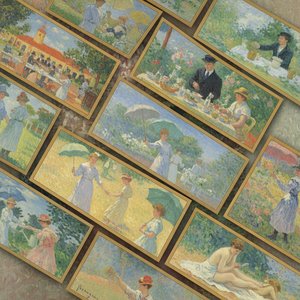
ルノワール傑作25選:光と色彩が織りなす印象派の華麗なる世界 | AllPaintingsStore
ルノワールの傑作25選🎨 印象派の光と色彩が輝く世界へ。絵画の背景、技法、そして時代を超えて愛される理由を紐解きます。AllPaintingsStoreで高品質な複製画やインテリアアートを見つけ、お部屋に芸術的な彩りを✨ Explore the full collection online!

Capturing Light & Emotion: A Guide to Impressionistic Portraiture for Your Home
Discover how Impressionistic portraiture can elevate your home. Learn to use light, color, and texture to create an emotive interior with expert guidance on selecting and customizing museum-quality oil reproductions that transform modern spaces into timeless sanctuaries.

