


 設置イメージを確認
 送る
送る シェア
シェア
 詳細情報
詳細情報 ガイドを表示

 画像をダウンロード
 似ている作品
 X線調査
X線調査 スライドショー
 統計情報
統計情報The Brown Gloves


 続きを読む
続きを読む
このページに掲載されている作品は著作権法によって保護されており、当社の許可なく同一の複製物を制作または販売することは法律で禁じられています。この保護は、以下のような国際条約に基づき執行されます。 ベルヌ条約 および、以下の条項に定められたものを含む各国の法律により、 米国著作権法 第17編。
敬意を払った法的な代替手段として、私たちはオリジナルにインスピレーションを与えられた、カスタムの手描きアートワークを提供しています。私たちの熟練したプロのアーティストは、元の作品が持つスタイル、情緒、そして芸術的なエッセンスを注意深く研究し、独自の創作物でありながら、同じ感性を呼び起こすような、新しくユニークな作品を作り上げます。
この手法は、著作権で保護された作品の複製や複写を伴わないため、著作権法に完全に準拠しています。これは単なる模倣ではなく、創造的な再解釈です。元の作品からインスピレーションを受けつつも、それとは異なる、全く新しい絵画を生み出すものです。
手描き油彩複製画
当社のアーティストが、お客様のご希望のサイズと額縁に合わせて、キャンバスに手描きで制作する油彩画です。 ( プリント版に切り替え デジタル画像販売へ切り替え)




































作品のオリジナル比率に合わせた、当店の規定サイズからお選びください。

フレームや壁のスペースに合わせて、ご希望の幅と高さを入力してください。本作品は手描きのため、異なる比率のサイズをご希望の場合、絵画の周囲を少し広げて描くか、あるいは端を少しカットして調整することが可能です。お客様のご要望に合わせます。制作を開始する前に、仕上がりを確認するためのデジタルモックアップをお送りいたします。このページに表示されている画像は完成品の実物ではなく、あくまでモックアップによるイメージです。
ご注文後、AllPaintingsStore.com チームより詳細な指示をお送りするとともに、仕上がりイメージ(モックアップ)をご提供いたします。


 ガラスオプションは、110cm未満のサイズでのみご利用いただけます。

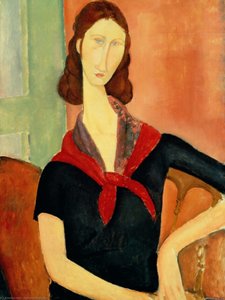
The Brown Gloves
再現技法
複製画サイズ一覧
-


合計金額
¥ 40644
よくあるご質問
Raphael Gleitsmann作「The Brown Gloves」の制作年はいつですか?
「The Brown Gloves」は1932年に制作されました。この制作年は、Raphael Gleitsmannのキャリアおよびその時代の文脈において、本作を位置づけるものです。
「The Brown Gloves」の作者と制作年はいつですか?
Raphael Gleitsmannによる「The Brown Gloves」は、1932年に制作されました。
「The Brown Gloves」のガイドはどこにありますか?
Raphael Gleitsmann作「The Brown Gloves」のガイドページでは、印刷して活用できる2枚構成のファクトシートを提供しています。これには、作品とその詳細情報をまとめたデータテーブル、アーティストの生涯における時代背景を示す年代チャート、同アーティストによる他の作品、測定されたカラーパレット、そしてそのままコピーして使用できる4つの形式の引用文献情報が含まれています。
関連作品



アーティストについて
Early Life and Artistic Beginnings in Akron
Raphael Gleitsmann, born in Dayton, Ohio in 1910, was a distinctly American artist whose life story is as compelling as the evocative imagery he created. He spent the vast majority of his years in Akron, Ohio, a city that would become both the backdrop and often the subject of his work. Unlike many artists of his generation, Gleitsmann was largely self-taught; his formal training was limited to instruction from Miss Calvin at Central High School and Paul Travis at the Cleveland School of Art. Unable to afford tuition, he cultivated relationships with faculty and students at the school, eventually gaining access to classes without official enrollment—a testament to his innate talent and dedication.
Gleitsmann’s early artistic endeavors focused on realistic depictions of life in Middle America during the Great Depression. These paintings weren't merely representations; they were idealized visions of a society grappling with hardship, imbued with a sense of quiet dignity and resilience. He captured the essence of everyday existence, portraying scenes that resonated with many Americans struggling through economic turmoil. This early period reveals an artist keenly observant of his surroundings, possessing a natural ability to translate lived experience onto canvas.
The Impact of War: A Shift in Perspective
The course of Gleitsmann’s artistic journey was profoundly altered by his service as a combat engineer during World War II, from 1943 to 1945. His experiences abroad were deeply traumatic, culminating in wounds sustained at the Rhine River—an event for which he received the Purple Heart. The horrors witnessed firsthand irrevocably changed his perspective and subsequently, his art. Upon returning home, Gleitsmann found himself unable to continue painting in the same vein as before.
The idyllic scenes of pre-war America gave way to haunting post-apocalyptic imagery—ruins, cemeteries, and landscapes scarred by conflict. These works were not simply depictions of destruction; they were explorations of loss, memory, and the fragility of civilization. He began to grapple with themes of attrition, time’s relentless march, and the psychological toll of war. This shift in subject matter was a direct response to his experiences, reflecting a profound internal transformation.
National Recognition and Artistic Evolution
Gleitsmann's post-war work garnered significant national attention, most notably when he won first prize at the 1948 Carnegie Institute exhibition of international contemporary painting. This victory was particularly noteworthy as it came against formidable competition, including Andrew Wyeth—a testament to the power and originality of his vision. The award brought him widespread acclaim and solidified his position within the American art landscape.
His unsettling yet captivating paintings contrasted sharply with the more optimistic attitudes prevalent in earlier generations of artists. Gleitsmann’s work forced viewers to confront uncomfortable truths about the human condition, prompting reflection on the consequences of conflict and the enduring scars it leaves behind. He experimented with abstraction and expressionism, moving away from strict realism to convey the emotional weight of his experiences.
Later Years and Legacy
Despite achieving critical success, Gleitsmann may have curtailed his artistic career around 1954. The intensity of the trauma he experienced during the war likely played a significant role in this decision; it’s speculated that continuing to revisit such harrowing themes became too emotionally taxing. While details surrounding his later life remain somewhat sparse, his impact on American art is undeniable.
Raphael Gleitsmann's work stands as a powerful testament to the transformative power of experience and the artist’s ability to translate personal trauma into universal statements about the human condition. His paintings offer a poignant glimpse into the anxieties and uncertainties of the post-war era, reminding us of the enduring cost of conflict and the importance of confronting difficult truths. He is remembered as an artist who dared to look beyond the surface, exploring the darker recesses of the human psyche with unflinching honesty.

Raphael Gleitsmann
1910 - 1995 , United States of America
アーティスト情報
- Full Name: Raphael Gleitsmann
- Nationality: American
- Date Of Birth: 1910
- Date Of Death: 1995
- Place Of Birth: Akron, United States of America
- Notable Artworks: ['The White Dam']
- Artistic Movement Or Style: Realistic, Expressionism

