


 プレビュー
プレビュー
 プリントを購入
 シェアする
シェアする シェアする
シェアする
 詳細を見る
詳細を見る

 ダウンロード
 似ている作品
 X線調査
X線調査 スライドショー
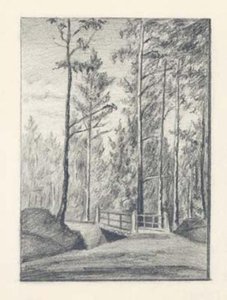
Drawing Sap From A Tree
 詳細を見る
詳細を見る




































作品のオリジナル比率に合わせた、当店の規定サイズからお選びください。

特定のフレームやスペースに合わせて、ご希望のサイズをご入力いただけます。選択されたサイズが元の画像の比率と異なる場合、アートワークをトリミングするか、手描きで要素を追加して絵画を拡張いたします。デジタルモックアップ を制作し、制作開始前にご確認(承認)をいただきます。
画面上のプレビューは、実際のトリミングや拡張を正確に反映しているものではありません。最終的な構図は、モックアップによってのみ正確にご確認いただけます。
カスタムサイズもご利用いただけますが、元の比率を維持するためには、あらかじめ用意されたリストからサイズを選択することをお勧めいたします。
ご注文後、AllPaintingsStore.com チームより詳細な指示をお送りするとともに、仕上がりイメージ(モックアップ)をご提供いたします。


 ガラスオプションは、110cm未満のサイズでのみご利用いただけます。

Drawing Sap From A Tree
複製技法
複製画のサイズ
-


合計金額
$ 258
関連作品




アーティストの略歴
Robinet Testard: A Master of Medieval Detail
Robinet Testard (c. 1470 – 1531) remains a captivating enigma within the history of French art, a figure whose brilliance is often obscured by the lack of definitive biographical markers—no signature, no dated work. Yet, through meticulous examination of his surviving illuminations and illustrations, we can reconstruct a compelling portrait of a highly skilled artist who flourished during the late 15th and early 16th centuries, serving as a vital link between the Gothic and Renaissance traditions.
Testard’s career began in Poitiers, a significant center for manuscript production at the time. His early works, such as a page from a Missal for the Poitiers use, demonstrate a solid grounding in established medieval styles—precise rendering of figures, rich color palettes, and an adherence to traditional religious iconography. However, it was his association with the court of Charles, Count of Angoulême, that truly shaped his artistic trajectory. Appointed as Valet de Chambre in 1484, Testard became deeply embedded within a vibrant intellectual and artistic environment, one characterized by humanist ideals and a burgeoning interest in classical literature.
The Angoulême Court and the Roman de la Rose
Testard’s work for the Count of Angoulême's household is arguably his most celebrated achievement. The Roman de la Rose, a lavishly illustrated manuscript produced around 1480, stands as a testament to his skill and artistic vision. This monumental work, featuring 17 engravings by Israhel van Meckenem meticulously colored by Testard himself, showcases a remarkable synthesis of techniques. The intricate details, the vibrant hues, and the expressive faces of the characters are all hallmarks of Testard’s mature style. The inclusion of Van Meckenem's engravings—a relatively unconventional practice at the time—suggests a sophisticated understanding of printmaking and an openness to new artistic influences.
Beyond the Roman de la Rose, Testard produced several other significant works during his tenure with the Angoulême court, including the Nouailher Missal and various Books of Hours. These pieces are characterized by a tighter compositional style and an even more sharply defined coloring than his earlier work, reflecting a growing influence from the emerging Renaissance aesthetic. The “Les Secrets de l’histoire naturelle contenant les merveilles et choses memorables du monde,” illustrating Dioskurides and incorporating mythological scenes after Solinus and Pliny, further demonstrates Testard's versatility and his willingness to engage with diverse subject matter.
A Legacy of Detail and Influence
Testard’s career continued even after the death of Charles, Count of Angoulême in 1496. He served Louise of Savoy, the count’s widow, until her own demise in 1531, cementing his position as a trusted artist within a prominent aristocratic household. His work during this later period—including a copy of Matthaeus Platearius' “The Book of Simple Medicines”—continues to exhibit the meticulous detail and refined technique that defined his artistic practice.
Despite the absence of signatures or dated works, Robinet Testard’s legacy endures through his illuminated manuscripts. His contributions to the Roman de la Rose, in particular, offer a rare glimpse into the artistic world of 15th-century France—a world where medieval tradition and nascent Renaissance ideals converged to produce some truly remarkable works of art. His meticulous attention to detail, combined with his willingness to experiment with new techniques (as evidenced by the inclusion of Van Meckenem’s engravings), makes him a fascinating figure in the history of French illumination and a testament to the enduring power of artistic skill.

robinet testard
1470 - 1531 , France
基本情報
- Artistic Movement Or Style: Medieval illumination
- Date Of Birth: 1470, France
- Date Of Death: 1531
- Full Name: Robinet Testard
- Nationality: French
- Notable Artworks:
- Roman de la Rose
- La Rochefoucauld Hours
- Nouailher Missal
- Place Of Birth: France



