


 プレビュー
プレビュー
 シェアする
シェアする シェアする
シェアする
 詳細を見る
詳細を見る ガイド
ガイド

 ダウンロード
 似ている作品
 X線調査
X線調査 スライドショー
 統計情報
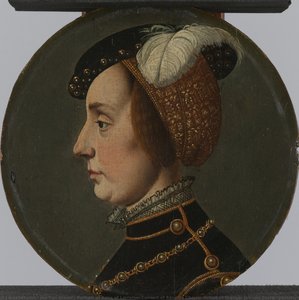
統計情報Portrait of a Woman
 98.0 x 72.0 cm
 詳細を見る
詳細を見る
手描き油彩複製画
当社のアーティストが、お客様のご希望のサイズと額縁に合わせて、キャンバスに手描きで制作する油彩画です。 ( プリント版に切り替え デジタル画像販売へ切り替え)




































作品のオリジナル比率に合わせた、当店の規定サイズからお選びください。

特定のフレームやスペースに合わせて、ご希望のサイズをご入力いただけます。選択されたサイズが元の画像の比率と異なる場合、アートワークをトリミングするか、手描きで要素を追加して絵画を拡張いたします。デジタルモックアップ を制作し、制作開始前にご確認(承認)をいただきます。
画面上のプレビューは、実際のトリミングや拡張を正確に反映しているものではありません。最終的な構図は、モックアップによってのみ正確にご確認いただけます。
カスタムサイズもご利用いただけますが、元の比率を維持するためには、あらかじめ用意されたリストからサイズを選択することをお勧めいたします。
ご注文後、AllPaintingsStore.com チームより詳細な指示をお送りするとともに、仕上がりイメージ(モックアップ)をご提供いたします。


 ガラスオプションは、110cm未満のサイズでのみご利用いただけます。

Portrait of a Woman
複製技法
複製画のサイズ
-


合計金額
$ 258
関連作品




アーティストの略歴
Rolán de Moys: A Flemish Renaissance Painter of the Spanish Court
Rolán de Moys, a name perhaps less familiar than his contemporaries, nevertheless stands as a significant figure within the vibrant tapestry of 16th-century Spanish art. Born in Brussels around 1520 and active primarily in Aragon from 1559 onwards, he navigated the complex currents of artistic exchange between Flanders and Spain, leaving behind a legacy largely defined by his exquisite portraits – particularly his captivating depiction of a woman now housed within the Metropolitan Museum of Art in New York. His journey reflects a fascinating convergence of influences: the meticulous detail and realism characteristic of Flemish painting combined with the burgeoning humanist ideals and decorative sensibilities of the Spanish Renaissance.
Early biographical details regarding Rolán de Moys are somewhat scarce, shrouded in the typical uncertainties of historical records for artists of his era. He emerged onto the artistic scene during a period of intense cultural transformation in Spain – the height of the Habsburg dynasty’s influence and a time when the country was actively absorbing elements of Northern European art alongside its own established traditions. His appointment as painter to the Aragonese dukes of Villahermosa in Saragossa marked a pivotal moment, establishing him within the courtly circles that fueled artistic patronage and innovation. This position afforded him access to a wealthy clientele and provided a platform for his developing skills.
The Art of Portraiture: A Masterful Technique
Rolán de Moys’s primary contribution to art history lies in his remarkable skill as a portraitist. Unlike the grand, allegorical works that dominated much of 16th-century Spanish painting, Rolán focused on capturing the individual likeness and personality of his subjects. His portraits are characterized by an intimate quality – a sense of direct engagement with the viewer achieved through subtle gestures, carefully observed expressions, and a remarkable attention to detail in rendering fabrics, jewelry, and other personal adornments. The “Portrait of a Woman” at the Metropolitan Museum exemplifies this perfectly; it’s not merely a likeness but a window into the subject's character and social standing.
His technique demonstrates a sophisticated understanding of light and shadow – a hallmark of Flemish painting – skillfully employed to create depth, volume, and a sense of three-dimensionality. He utilized layering techniques, building up color gradually to achieve rich textures and luminous effects. Furthermore, his compositions are often balanced and harmonious, reflecting the prevailing aesthetic principles of the Renaissance. The use of muted colors, particularly in the “Portrait of a Woman,” contributes to an atmosphere of quiet dignity and understated elegance.
Influences and Artistic Context
Rolán de Moys’s artistic development was undoubtedly shaped by his exposure to both Flemish and Spanish artistic traditions. His early training likely occurred within the workshops of Flemish masters, absorbing their meticulous techniques and emphasis on realism. However, upon arriving in Aragon, he encountered a distinctly Spanish aesthetic – characterized by a greater use of color, an interest in decorative elements, and a tendency towards more elaborate compositions. The influence of Italian Renaissance painting is also evident in his work, particularly in the careful attention to proportion and anatomical accuracy.
The courtly environment in which he worked played a crucial role in shaping his artistic style. Aragonese nobility demanded portraits that reflected their status and wealth – often incorporating symbols of power, piety, or social standing. Rolán skillfully fulfilled these commissions, creating works that served as both visual representations of the subjects’ identities and statements about their position within society.
Notable Works and Legacy
Beyond the “Portrait of a Woman” at the Metropolitan Museum, several other paintings attributed to Rolán de Moys have surfaced throughout the years. These include depictions of members of the Aragonese nobility, religious scenes, and possibly even some landscape compositions – though these are less frequently documented. The Museo Casa de los Tiros de Granada offers a glimpse into his work within the context of 16th-century Aragon, showcasing his ability to capture the essence of both individuals and architectural settings.
While Rolán de Moys may not be as widely celebrated as some of his contemporaries – such as El Greco or Titian – his contributions to Spanish Renaissance portraiture are undeniable. His meticulous technique, nuanced understanding of human psychology, and skillful integration of Flemish and Spanish artistic influences cemented his place as a talented and respected artist within the courtly circles of Aragon. His legacy endures through works like the “Portrait of a Woman,” which continues to captivate viewers with its intimate portrayal of beauty and grace.
Further Research
For deeper exploration, consider visiting these resources:
- Portrait of a Woman (Metropolitan Museum of Art)
- Rolan de Moys (AllPaintingsStore.com)
- Wikidata Entry

rolán de moys
1520 - 1592 , Belgium
基本情報
- Artistic Movement Or Style: Spanish Renaissance
- Date Of Birth: 1520
- Date Of Death: 1592
- Full Name: Rolán de Moys
- Nationality: Flemish
- Notable Artworks: ['Portrait of a Woman']
- Place Of Birth: Brussels, Belgium

