


 設置イメージを確認
 送る
送る シェア
シェア
 詳細情報
詳細情報 ガイドを表示

 画像をダウンロード
 似ている作品
 X線調査
X線調査 スライドショー
 統計情報
統計情報Primavera -

 続きを読む
続きを読む
ジークレー/アートプリント
スピーディーな制作と多彩な仕上げオプションが魅力の、ミュージアムクオリティなジークレー・キャンバスプリント。 ( 手描きの複製画を注文する デジタル画像販売へ切り替え)




P118B ¥10

P118H ¥10

P118W ¥10

P438Z ¥10

P508JH ¥12

P508YH ¥12

P805H ¥10

P805Z ¥10

P919BZ ¥10

P919G ¥10

P919XJ ¥10

P959ZH ¥10

P968JZ ¥12

W106C ¥8

W218G ¥10

W218JH ¥8

W218Y ¥10

W307PJ ¥10

W316G ¥10

W316PJ ¥8

W316Y ¥10

W398PJ ¥8

W4111J ¥10

W500HY ¥15

W500JH ¥15

W692G ¥12

W849H ¥8

W940BG ¥15

W953PJ ¥8




作品のオリジナル比率に合わせた、当店の規定サイズからお選びください。

額縁や壁のスペースに合わせて、ご希望の幅と高さを入力してください。プリントはカットすることは可能ですが、元の画像より大きくすることはできないため、異なる比率のサイズを選択された場合は、画像の一部が欠けることになります。印刷を開始する前に、内容を確認していただくためのデジタルモックアップをお送りいたします。このページに表示されている画像は、実際のカット後の状態を示すものではありません。実際の仕上がりはモックアップにてご確認ください。


 ガラスオプションは、110cm未満のサイズでのみご利用いただけます。

Primavera -
ジークレー/アートプリント
複製画サイズ一覧
-


合計金額
¥ 10156
Sandro Botticelli’s *Primavera*: A Symphony of Myth and Renaissance Ideal
Sandro Botticelli's *Primavera*, painted circa 1482, stands as one of the most captivating and enigmatic works of the Early Renaissance. This exquisite depiction, seemingly a simple scene of three women – Venus, Flora, and possibly Zephyrus – accompanied by a magnificent array of mythical figures, is far more than just a pastoral idyll. It’s a complex tapestry woven with allegorical meaning, reflecting the intellectual currents of Florence at the height of Medici patronage and Botticelli's own masterful command of line and color.
- Subject Matter: The painting portrays a gathering of mythological figures within a lush, idealized garden. While interpretations vary, it’s widely believed to be an allegory for the arrival of Spring, representing rebirth, fertility, and the triumph of love over death.
- Style & Technique: Botticelli's signature style is immediately apparent – elongated figures with graceful poses, delicate lines defining every contour, and a luminous palette dominated by pale blues, greens, and pinks. He employs tempera on panel, a technique that lends the painting a remarkable clarity of detail and a subtle sheen. The meticulous rendering of drapery and foliage demonstrates his profound understanding of perspective and naturalism, though filtered through a distinctly Renaissance idealization.
- Historical Context: *Primavera* was commissioned likely by Lorenzo di Pierfrancesco de' Medici, brother to the future Pope Leo X, for his wedding festivities. This commission reflects the growing importance of secular art within Florentine society and the patronage of wealthy families like the Medici who sought to associate themselves with classical mythology and humanist ideals.
Decoding the Symbolism: A Garden of Allegory
The symbolism embedded within *Primavera* is layered and open to interpretation, a hallmark of Renaissance art’s engagement with classical philosophy and Neoplatonic thought. Venus, the goddess of love, stands at the center, her gaze directed towards Zephyrus, the west wind, often interpreted as representing desire and passion. Flora, personifying springtime, scatters flowers – symbols of fertility and renewal – while the three maidens represent chastity, beauty, and virtue. The presence of Mercury, with his caduceus (a staff entwined with serpents), suggests intellectual or divine communication. The overall composition evokes a sense of harmonious balance and spiritual elevation, reflecting the Renaissance fascination with achieving perfect proportions and representing ideal forms.
- Venus: Represents love, beauty, and desire.
- Flora: Symbolizes fertility, growth, and the renewal of nature.
- Zephyrus: Often associated with the west wind, signifying passion and movement.
- Mercury: Represents intellect, communication, and divine influence.
Emotional Impact & Artistic Legacy
*Primavera* continues to resonate with viewers centuries after its creation. Its serene beauty, coupled with its profound symbolism, evokes a sense of wonder and contemplation. Botticelli’s ability to capture the ethereal quality of light and form, combined with his masterful use of color, creates an image that is both visually stunning and emotionally evocative. The painting's influence can be seen in countless subsequent works of art, solidifying Botticelli’s place as one of the most important figures in Renaissance art history. A hand-painted reproduction offers a unique opportunity to experience this iconic masterpiece firsthand, bringing its timeless beauty into your home or studio.
Reproductions Availableよくあるご質問
ボッティチェリ作「Primavera -」の構図を主導している色は何ですか?
ボッティチェリ作「Primavera -」の主色(メインカラー)はPutty (#d0ceb7)です。
「Primavera -」はどのような作品ですか?
カタログ内では、ボッティチェリ作「Primavera -」はWallArtとして分類されています。このカテゴリーを活用することで、類似の作品を探すことができます。
ボッティチェリ作「Primavera -」の配色(パレット)はどのように表現されていますか?
ボッティチェリ作「Primavera -」のパレットはNeutralsと表現されています。これは、作品の色使いを簡潔にまとめたものです。
関連作品


アーティストについて
サンドロ・ボッティチェリ:ルネサンスの詩人画家
1445年頃、フィレンツェで生まれたアレッサンドロ・ディ・マリアーノ・ディ・ヴァンニ・フィリペピ。後にサンドロ・ボッティチェリとして知られる彼は、初期ルネサンス期の最も重要な芸術家の一人であり、その作品は美と調和の象徴として、時代を超えて人々を魅了し続けています。彼の人生は、メディチ家の庇護のもと、フィレンツェという文化の中心地で展開され、芸術、哲学、文学が花開く時代を背景に、独自の芸術世界を築き上げました。
ボッティチェリの初期の教育については詳細は不明ですが、金細工師としての修行を経て、画家フィリッポ・リッピのもとで絵画技術を習得したことが知られています。リッピの影響を受けながらも、彼は独自のスタイルを確立し、アンтонио・デル・ポーライオーロやアンドレア・デル・ヴェロッキオといった同時代の巨匠からも影響を受けました。特に、彫刻的な人物描写と、繊細な線描が特徴的であり、彼の作品に独特の魅力を生み出しました。
ボッティチェリの芸術の特徴は、その優雅で詩情豊かな表現にあります。「ヴィーナスの誕生」や「春(プリマヴェーラ)」に見られるように、古典古代の神話や寓意を題材に取り入れながら、独自の解釈と美意識に基づいた作品を生み出しました。これらの作品は、単なる物語の描写ではなく、愛、美、そして精神的な高揚といった普遍的なテーマを探求するものであり、ルネサンス期の人文主義思想を体現するものとして高く評価されています。彼の描く人物たちは、洗練された衣装を身につけ、優雅なポーズをとっており、まるで生きているかのような生命力に満ち溢れています。
ボッティチェリの作品は、その繊細な色彩と線描によって特徴づけられます。彼は、テンペラ画という技法を多用し、鮮やかな色彩と緻密な描写を実現しました。また、彼の作品には、銀筆(シルバーポイント)による下絵が施されていることが多く、その繊細なタッチは、最終的な作品の完成度を高めています。特に「ヴィーナスの誕生」におけるヴェーヌス像の肌の表現や、「春」における人物たちの衣装の描写は、彼の卓越した技術力の証と言えるでしょう。
晩年と再評価
15世紀末には、ドミニコ会の修道士ジロラモ・サヴォナローラの布教活動の影響を受け、ボッティチェリの芸術にも変化が見られます。サヴォナローラは、当時のフィレンツェにおける奢侈や退廃を厳しく非難し、宗教的な清貧と禁欲を説きました。その結果、ボッティチェリもまた、自身の作品に宗教的なテーマを取り入れ、より内省的で精神的な表現へと傾倒していったのです。
しかし、彼の晩年の作品は、当時の世情に受け入れられず、忘れ去られてしまうという憂き目に遭いました。19世紀に入り、前ラファエロ派の画家たちがボッティチェリの作品を再評価し、その芸術的な価値を広く知らしめました。彼らの熱心な支持によって、ボッティチェリはルネサンス期の最も重要な芸術家の一人として、再び脚光を浴びることになったのです。
今日、ボッティチェリの作品は、世界中の美術館に所蔵されており、多くの人々を魅了し続けています。彼の作品は、ルネサンス期における美意識と精神性を象徴するものであり、芸術史において不朽の名声を確立しています。特に「ヴィーナスの誕生」や「春」は、西洋美術の金字塔として、その地位を不動のものとしているのです。
主要作品
- ヴィーナスの誕生 (La nascita di Venere)
- 春(プリマヴェーラ)(Primavera)
- マギの礼拝 (Adorazione dei Magi)
- 神秘の受胎告知 (Natività mistica)
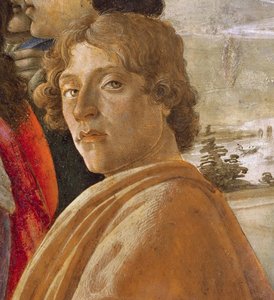
ボッティチェリ
1445 - 1510 , イタリア
アーティスト情報
- フルネーム: サンドロ・ボッティチェリ
- 主な作品:
- ヴィーナスの誕生
- 春の賛歌
- マギの礼拝
- 出生地: フィレンツェ(イタリア)
- 国籍: イタリア
- 影響を与えた芸術家または運動: ['プレラファエライト協会']
- 影響を受けたアーティスト:
- フラ・フィリッポ・リピ
- パオロ・ウッチョロ
- 死亡年月日: 1510年5月17日
- 生年月日: 1445年3月1日頃
- 芸術運動またはスタイル: 初期ルネサンス
関連記事

Transform Your Walls: Top Trending Mural Styles from Botanical Jungles to Gold Leaf Geometry
Elevate your hospitality projects with our expert trend forecast on luxury mural styles. From biophilic botanical jungles to sophisticated gold leaf geometry, discover how bespoke architectural art transforms hotel interiors into immersive, high-end experiences.

Italian Renaissance Art: A Procurement Guide to Timeless Masterpieces for High-End Hotel Interiors
A professional procurement guide for hotel designers seeking Italian Renaissance masterpieces. Discover how to utilize chiaroscuro, custom oil reproductions, and large-scale murals to elevate hospitality interiors with timeless, high-impact classical art.
Maximizing Small Spaces: A Professional Guide to High-Impact Art Reproductions for Studio Apartments
Master small space design with high-impact art reproductions. Learn how professional decorators use scale, texture, and multi-panel layouts to transform studio apartments into expansive, sophisticated environments using premium hand-painted oils and modern geometric wall art.


