


 設置イメージを確認
 送る
送る シェア
シェア
 詳細情報
詳細情報 ガイドを表示

 画像をダウンロード
 似ている作品
 X線調査
X線調査 スライドショー
 統計情報
統計情報Mourning


 続きを読む
続きを読む
ジークレー/アートプリント
スピーディーな制作と多彩な仕上げオプションが魅力の、ミュージアムクオリティなジークレー・キャンバスプリント。 ( 手描きの複製画を注文する デジタル画像販売へ切り替え)




P118B ¥10

P118H ¥10

P118W ¥10

P438Z ¥10

P508JH ¥12

P508YH ¥12

P805H ¥10

P805Z ¥10

P919BZ ¥10

P919G ¥10

P919XJ ¥10

P959ZH ¥10

P968JZ ¥12

W106C ¥8

W218G ¥10

W218JH ¥8

W218Y ¥10

W307PJ ¥10

W316G ¥10

W316PJ ¥8

W316Y ¥10

W398PJ ¥8

W4111J ¥10

W500HY ¥15

W500JH ¥15

W692G ¥12

W849H ¥8

W940BG ¥15

W953PJ ¥8




作品のオリジナル比率に合わせた、当店の規定サイズからお選びください。

額縁や壁のスペースに合わせて、ご希望の幅と高さを入力してください。プリントはカットすることは可能ですが、元の画像より大きくすることはできないため、異なる比率のサイズを選択された場合は、画像の一部が欠けることになります。印刷を開始する前に、内容を確認していただくためのデジタルモックアップをお送りいたします。このページに表示されている画像は、実際のカット後の状態を示すものではありません。実際の仕上がりはモックアップにてご確認ください。


 ガラスオプションは、110cm未満のサイズでのみご利用いただけます。

Mourning
ジークレー/アートプリント
複製画サイズ一覧
-


合計金額
¥ 10077
Umberto Boccioni’s ‘Mourning’: A Futurist Lament
Umberto Boccioni's 1910 painting, “Mourning,” is not simply a depiction of grief; it’s a visceral embodiment of the Futurist movement’s radical rejection of traditional artistic representation. This stark black and white image, featuring three central figures amidst a field of delicate flowers, immediately confronts the viewer with an unsettling tableau – a scene saturated with loss and rendered with a deliberate, almost violent energy. The photograph captures a moment frozen in time, yet vibrates with the dynamism that defined Boccioni’s artistic vision. The composition itself is deliberately fractured, mirroring the shattered emotional state of those depicted, and reflecting the Futurist desire to capture not just appearances but the *feeling* of movement and disruption.
Subject Matter and Composition
- Central Figures: Three individuals dominate the scene. One raises their hands to their face in a gesture of profound sorrow, while another holds what appears to be a deceased body – a poignant symbol of death and loss. The third figure mirrors this action, further intensifying the sense of mourning.
- Peripheral Figures: Two additional individuals are subtly placed at the edges, adding to the overall feeling of isolation and suggesting that grief is often experienced within a larger context of shared suffering.
- Floral Backdrop: The inclusion of flowers provides a jarring juxtaposition against the somber subject matter. This deliberate contrast elevates the work beyond a straightforward depiction of mourning, hinting at themes of beauty persisting even in the face of devastation – a common Futurist preoccupation with finding new forms of expression amidst chaos.
Technique and Style: The Language of Futurism
Boccioni’s technique is characterized by bold, fragmented brushstrokes and a flattened perspective— hallmarks of the Futurist style. He sought to represent not a static image but rather the *impression* of movement and disruption. Lines are deliberately broken and overlapping, creating a sense of instability and conveying the raw emotion of the scene. The monochromatic palette further amplifies this effect, stripping away any distractions and focusing attention on the stark forms and dramatic gestures. This approach reflects the Futurist fascination with speed, technology, and the dynamism of modern life – themes powerfully expressed through the distortion of form and space.
Historical Context and Symbolism
Created in 1910, “Mourning” emerged during a period of intense social and political upheaval in Italy. The Futurist movement was born out of a desire to break free from the perceived stagnation of traditional art and embrace the energy of the industrial age. Boccioni’s work reflects this broader cultural shift, using themes of death and loss as a means of exploring larger questions about modernity, progress, and humanity's place in a rapidly changing world. The act of holding the deceased bodies can be interpreted as a symbolic representation of confronting mortality – a central concern for many artists during this era.
Emotional Impact and Artistic Significance
"Mourning" is more than just a historical artifact; it’s a profoundly moving work that continues to resonate with viewers today. Boccioni's masterful manipulation of form, space, and emotion creates a powerful and unsettling experience. This painting stands as a testament to the Futurist movement's revolutionary spirit and its enduring influence on 20th-century art. A hand-painted reproduction offers an unparalleled opportunity to bring this iconic work into your home or office, allowing you to contemplate its complex themes and appreciate Boccioni’s groundbreaking artistic vision.
よくあるご質問
ウンベルト・ボッチョーニ作「Mourning」の色使いは、作品の感情とどのように結びついているのでしょうか?
「Mourning」では、Earthyの色調がMelancholicな情緒を添えています。
「Mourning」のFuturismの背景には、どの国のルーツがあるのでしょうか?
「Mourning」は、その作者の出生地を通じて、Futurism運動とイタリアを結びつけています。
ウンベルト・ボッチョーニ作「Mourning」の制作年はいつですか?
ウンベルト・ボッチョーニ作「Mourning」の制作年は1910年です。
関連作品


アーティストについて
ウンベルト・ボッチョーニ:運動と未来の彫刻家
ウンベルト・ボッチョーニは、1882年にイタリアのレッジョ・ディ・カルナリアで生まれ、20世紀初頭における芸術革命の旗手として、その名を歴史に刻みました。彼の短い生涯(わずか33歳で夭折)は、未来主義という革新的な芸術運動への揺るぎない献身と、機械時代がもたらすエネルギーと速度を捉えようとする飽くなき探求心によって彩られています。幼少期から父親の官僚としての職に伴い各地を転々としたボッチョーニは、多様な風景に触れ、内なる焦燥感を育みました。ローマでの初期の美術教育を経て、彼は伝統的な芸術様式からの脱却を目指し、自由様式のポスターアーティストの影響を受けながら独自の表現を模索しました。しかし、フィリッポ・トマゾ・マリネッティの未来主義宣言との出会いが、彼の芸術的運命を決定づけたと言えるでしょう。未来主義への覚醒:芸術家としての台頭
1910年、ボッチョーニは未来主義画家たちの宣言書に署名し、未来主義運動への本格的な参加を表明しました。これは単なる美学上の選択ではなく、伝統の重圧からの哲学的な反逆であり、不確実な未来に向かって疾走する世界の真髄を捉えようとする渇望でした。ボッチョーニはすぐに未来主義理論家として頭角を現し、マリネッティの初期の主張を発展させ、それを視覚芸術に応用しました。彼は単に物事の外見を表象することではなく、運動という感覚、形態の断片化、都市生活の圧倒的なエネルギーといった、物事がどのように感じられるかを伝える絵画を提唱しました。初期の作品群は印象派や分割主義の影響を色濃く残しつつも、すでに躍動感あふれる表現への萌芽が見て取れます。『都市の勃興』(1910-1911年)はその代表例であり、巨大なスケールで現代都市の建設現場を描き出し、未来主義の理想—人間、建物、機械が織りなす混沌とした渦—を体現しています。現実の解体:技法とテーマ
ボッチョーニの芸術的進化は、ますます過激化する形態へのアプローチによって特徴づけられます。彼は伝統的な遠近法や構図の概念から脱却し、運動とエネルギーを表現するための手段として断片化を採用しました。物体は構成要素に分解され、力線が外側に放射状に広がり、色彩は渦巻くパターンで混ざり合い—すべてが視覚的な振動感を創出することを目的としています。この解体は単なる様式上のものではなく、現実自体が流動的かつ絶えず変化しているというボッチョーニの信念に基づいています。彼は物事の静的な外観を表象するのではなく、そのダイナミックな本質を表現しようと試みました。『人間の運動』(1913年)は、人物を固体としてではなく、空間を移動する一連の断片化された形状として描くことで、この点を力強く示しています。おそらく彼の最も象徴的な作品である『連続におけるユニークな形態』(1913年)は、絵画を超越した彫刻であり、未来主義の理想を驚くべき力で体現しています。人物はまるで動きを止められない勢いを帯びているかのように、中間地点で捉えられ、四肢や胴体が細長く歪められています。遺産と永続的な影響
第一次世界大戦中の1916年、ボッチョーニの早すぎる死は、芸術界から真に先見性のある才能を奪い去りました。しかし、彼のアイデアと作品は、彼が亡くなった後も長く人々の心に響き続けました。彼はその後の未来主義アーティストだけでなく、構成主義や抽象表現主義といった運動にも多大な影響を与えました。彼の運動、ダイナミズム、そして現代生活の表現に関する探求は、芸術における新たな表現形態への道を開き、美しさや表象という伝統的な概念に挑戦しました。- 影響を受けたもの: ジャコモ・バッラの分割主義の手法、キュビスムの形態の断片化、そしてニーチェの哲学的な著作。
- 代表作: 『人間の運動』、『連続におけるユニークな形態』、『都市の勃興』、『自転車乗り』。
- 歴史的意義: 20世紀美術における重要な人物であり、ボッチョーニは芸術的慣習に挑戦し、現代美術の流れを形作りました。彼のダイナミズムと運動の表現に関する理論は、今日でもアーティストにインスピレーションを与え続けています。
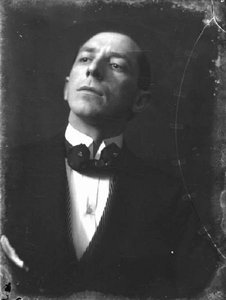
ウンベルト・ボッチョーニ
1882 - 1916 , イタリア
アーティスト情報
- フルネーム: ウンベルト・ボッチョーニ
- 主な作品:
- 人間身体のダイナミズム
- 連続性のユニークな形態
- 都市の隆起
- 自転車乗り
- 出生地: レッジオ・ディ・カッラブリア (イタリア)
- 国籍: イタリア
- 影響を与えたアーティスト:
- 構成主義
- 抽象表現主義
- 影響を受けたアーティスト:
- ジャコモ・バッラ
- ディヴィジョニズム
- キュビスム
- 没年月日: 1916年8月17日
- 生年月日: 1882年10月19日
- 芸術運動: 未来派
関連記事

Timeless Contrast: A Professional Guide to Black and White Photography for Large-Scale Hotel Decor
A professional guide for hotel designers on utilizing black and white photography for large-scale decor. Learn to master scale, texture, and monochrome contrast to create impactful, high-end hospitality environments through efficient, bulk art procurement solutions.


