


 送る
送る シェア
シェア
 詳細情報
詳細情報 ガイドを表示

 画像をダウンロード
 似ている作品
 スライドショー
 統計情報
統計情報Benjamin Lay


 続きを読む
続きを読む
手描き油彩複製画
当社のアーティストが、お客様のご希望のサイズと額縁に合わせて、キャンバスに手描きで制作する油彩画です。 ( プリント版に切り替え デジタル画像販売へ切り替え)




































作品のオリジナル比率に合わせた、当店の規定サイズからお選びください。

フレームや壁のスペースに合わせて、ご希望の幅と高さを入力してください。本作品は手描きのため、異なる比率のサイズをご希望の場合、絵画の周囲を少し広げて描くか、あるいは端を少しカットして調整することが可能です。お客様のご要望に合わせます。制作を開始する前に、仕上がりを確認するためのデジタルモックアップをお送りいたします。このページに表示されている画像は完成品の実物ではなく、あくまでモックアップによるイメージです。
ご注文後、AllPaintingsStore.com チームより詳細な指示をお送りするとともに、仕上がりイメージ(モックアップ)をご提供いたします。


 ガラスオプションは、110cm未満のサイズでのみご利用いただけます。

Benjamin Lay
再現技法
複製画サイズ一覧
-


合計金額
¥ 40941
William Thomas Williams Sr.’s ‘Benjamin Lay’ – A Testament to Quaker Conviction
William Thomas Williams Sr.’s “Benjamin Lay” (1758) is more than just a portrait; it's a meticulously crafted visual narrative of moral conviction and quiet resistance. Painted during a turbulent period in American history, when the burgeoning antislavery movement wrestled with deeply ingrained societal norms, this work offers a poignant glimpse into the life of Benjamin Lay, a pivotal Quaker reformer who dedicated his existence to challenging the horrors of slavery. The painting’s power resides not just in its subject matter – Lay's unwavering commitment to abolition – but also in Williams’s masterful execution and the rich symbolism interwoven within the scene.
- Subject & Context: The portrait depicts Benjamin Lay, a man whose life was defined by his opposition to slavery. His story is inextricably linked to the Religious Society of Friends (Quakers), who at this time were grappling with the internal contradiction of their faith and participation in the slave trade. The inclusion of Thomas Tryon’s treatise on happiness underscores Lay's intellectual pursuits and his belief in a higher moral order, while Franklin’s publishing of Lay’s tract highlights the complex relationship between figures involved in both abolitionist and exploitative endeavors.
- Technical Skill: Williams, trained in Bristol, England, demonstrates a remarkable understanding of light and shadow, creating a sense of depth and realism within the relatively small canvas. The use of oil paint allows for rich textures and subtle gradations of color, particularly evident in Lay’s clothing and the weathered texture of his home.
A Composition Steeped in Symbolism
The scene itself is a carefully constructed tableau brimming with symbolic resonance. Lay stands before what appears to be a cave-like dwelling – a deliberate reference to his own humble existence, representing simplicity and spiritual retreat. The presence of the two bowls near the base of the painting could symbolize nourishment, both physical and spiritual, while the vase adds an element of decorative elegance, perhaps reflecting the Quaker emphasis on beauty and order. Most significantly, the apple in the lower-left corner is a potent symbol – a direct reference to the biblical story of Adam and Eve, suggesting that Lay’s struggle against slavery was a battle for humanity's redemption from original sin.
- The Newspaper/Book: The inclusion of a newspaper or book (likely Tryon’s treatise) speaks to Lay’s intellectual engagement with the issues of his time and his commitment to disseminating knowledge as a means of social change.
- The Tree: The tree in the background is a traditional symbol of strength, resilience, and connection to nature – qualities that align with Lay's Quaker beliefs.
Williams’s Artistic Legacy & Reproduction Value
William Thomas Williams Sr.’s “Benjamin Lay” stands as a significant work within the context of 18th-century American portraiture and, crucially, as a powerful statement on social justice. Born in Bristol in 1727, Williams's seafaring past undoubtedly informed his artistic vision, lending a sense of ruggedness and authenticity to his subjects. His association with Benjamin West and his role in establishing Philadelphia’s early theater scene further solidify his place within the city’s vibrant cultural landscape. A hand-painted reproduction of “Benjamin Lay” offers an unparalleled opportunity to own a piece of this compelling history, capturing not only Williams's technical skill but also the profound moral message embedded within the artwork. The detail and fidelity of a AllPaintingsStore.com reproduction ensures that you experience the full emotional impact and symbolic richness of this remarkable portrait.
よくあるご質問
William Thomas Williams, Sr.作「Benjamin Lay」のデジタル画像はどこで購入できますか?
「Benjamin Lay」は、デジタル画像ページにて直接ご購入いただける高解像度デジタル画像のダウンロードとしてご利用いただけます。
「Benjamin Lay」は、作者の母国に保管されていますか?
いいえ、作品は国外に保管されています。「Benjamin Lay」はアメリカ合衆国に所蔵されていますが、William Thomas Williams, Sr.の出生地はUnited Kingdomです。
「Benjamin Lay」は何を描いた作品で、どのような雰囲気を持っていますか?
「Benjamin Lay」にはquaker reformer, benjamin lay, abolitionism, portraiture, cave dwelling, thomas tryon, pennsylvaniaが描かれており、その情緒はCalmと表現されています。
関連作品


アーティストについて
early life and seafaring days
william thomas williams, sr., a prominent english-american painter and writer, was born in 1727 in bristol, england. his formative years were spent in caerphilly, wales, where he developed a profound connection with the sea. it is believed that williams was a seafarer during his early life, which significantly influenced his later artistic pursuits.artistic career and notable works
williams's artistic career is marked by his unique blend of maritime experiences and literary inclinations. he penned the journal of llewellin penrose, seaman, often regarded as the first american novel. although the book was not published until 1815, its original text wasn't released until 1969.philadelphia and artistic legacy
in 1747, williams settled in philadelphia, where he played a pivotal role in establishing america's first theater. his art studio, the sign of hogarth's head, became a hub for artistic innovation, with notable students including a young benjamin west.artistic style and influences
williams's work is characterized by its eclectic mix of english and american influences, reflecting his seafaring background and literary inclinations. his style, though not widely documented, is believed to have been shaped by the then-prevailing artistic vogue for true travel tales.legacy and remembrance
williams passed away in philadelphia in 1791, leaving behind a legacy that, although not immediately recognized, has contributed significantly to american art history. his story serves as a testament to the transatlantic influences that have shaped the art world.- explore william thomas williams, sr.'s artworks on AllPaintingsStore
- discover the english school of painting on wikipedia
- visit the museum university of bristol theatre collection to delve into the world of theatre and performance, which williams was a part of.

William Thomas Williams, Sr.
1727 - 1791 , United Kingdom
アーティスト情報
- Full Name: Thomas Gainsborough
- Nationality: British
- Date Of Birth: 1727
- Date Of Death: 1791
- Place Of Birth: Bristol, United Kingdom
- Notable Artworks:
- Mr and Mrs Andrews
- The Blue Boy
- Morning Walk
- Artistic Movement Or Style: Picturesque, Landscape
- Artists Who Influenced This Artist: ['Hubert Gravelot']
- Artists Or Movements Influenced By This Artist: ['Watteau']
関連記事

Thomas Barker of Bath: Landscape Painting & Societal Reflection in Early 19th-Century England
Explore the life & work of Thomas Barker of Bath, a key figure in 19th-century English Romanticism. Discover his Parisian success, iconic paintings like 'The Bride of Death', and lasting artistic legacy. Learn more at AllPaintingsStore.

Benjamin Haughton: Victorian Genre Painting & Social Commentary
Explore the captivating world of Benjamin Haughton, Victorian genre painter. Discover his realistic depictions of daily life, social commentary, and enduring artistic legacy. Shop high-quality reproductions at AllPaintingsStore.

18th Century Masters: 10 Artworks That Define an Era | AllPaintingsStore
Journey through 18th century art! Explore 10 iconic paintings – from Rococo elegance to Neoclassical grandeur. Discover Fragonard, David & more. Find museum-quality reproductions and elevate your home decor on AllPaintingsStore.com.

R.A. Benjamin Williams: Victorian Genre Painting & Social Commentary
Explore the captivating world of Benjamin Williams Leader's Victorian genre paintings. Discover his mastery of naturalism, social commentary & lasting influence on British art. Expert insights at AllPaintingsStore.
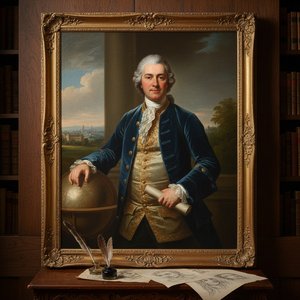
Thomas Hudson: A Study in 18th-Century Portraiture & British Artistic Identity
Explore the life & work of Thomas Hudson, a leading 18th-century British portraitist. Discover his mastery of the 'Grand Manner,' influential style, and lasting impact on British art. Learn about his notable portraits like Judge William Noel & Alexander Van Aken.

