


 設置イメージを確認
 送る
送る シェア
シェア
 詳細情報
詳細情報 ガイドを表示

 画像をダウンロード
 似ている作品
 X線調査
X線調査 スライドショー
 統計情報
統計情報Landscape
 Other
Other 134.0 x 64.0 cm
 続きを読む
続きを読む
ジークレー/アートプリント
スピーディーな制作と多彩な仕上げオプションが魅力の、ミュージアムクオリティなジークレー・キャンバスプリント。 ( 手描きの複製画を注文する デジタル画像販売へ切り替え)




P118B ¥10

P118H ¥10

P118W ¥10

P438Z ¥10

P508JH ¥12

P508YH ¥12

P805H ¥10

P805Z ¥10

P919BZ ¥10

P919G ¥10

P919XJ ¥10

P959ZH ¥10

P968JZ ¥12

W106C ¥8

W218G ¥10

W218JH ¥8

W218Y ¥10

W307PJ ¥10

W316G ¥10

W316PJ ¥8

W316Y ¥10

W398PJ ¥8

W4111J ¥10

W500HY ¥15

W500JH ¥15

W692G ¥12

W849H ¥8

W940BG ¥15

W953PJ ¥8




作品のオリジナル比率に合わせた、当店の規定サイズからお選びください。

額縁や壁のスペースに合わせて、ご希望の幅と高さを入力してください。プリントはカットすることは可能ですが、元の画像より大きくすることはできないため、異なる比率のサイズを選択された場合は、画像の一部が欠けることになります。印刷を開始する前に、内容を確認していただくためのデジタルモックアップをお送りいたします。このページに表示されている画像は、実際のカット後の状態を示すものではありません。実際の仕上がりはモックアップにてご確認ください。


 ガラスオプションは、110cm未満のサイズでのみご利用いただけます。

Landscape
ジークレー/アートプリント
複製画サイズ一覧
-


合計金額
¥ 10084
関連作品


アーティストについて
A Master of Blossoms and Breath
Born in the turbulent year of 1633 in Wujin, Jiangsu province, Yun Shouping—often revered by his sobriquet Nantian—emerged from a period of profound historical upheaval. As the Ming Dynasty crumbled and the Qing era took hold, Yun found himself navigating a world in transition. Though born into an impoverished family that could not afford the formal education required for the civil service examinations, he did not allow circumstance to stifle his spirit. Instead, he turned inward toward the natural world, devoting himself to the pursuit of the three perfections: painting, poetry, and calligraphy. From his earliest years, his soul was entwined with the delicate beauty of nature, a passion famously captured in his childhood compositions of poetry centered around lotus blossoms.
His artistic journey was one of remarkable evolution and profound transformation. While he initially trained in the rigorous traditions of landscape painting, a pivotal encounter with the works of the master Wang Hui altered the course of his career forever. Captivated by new possibilities, Yun transitioned from the grand vistas of mountains and rivers to the intimate, vibrant world of flora and fauna. This shift led to the founding of the Ch'ang-chou school, a movement that would redefine Chinese aesthetics for generations. He became a central figure among the celebrated Six Masters of the early Qing period, standing alongside luminaries such as Wu Li and the Four Wangs, creating a legacy that bridged the gap between classical tradition and a new, expressive vitality.
The Revolution of the Boneless Style
What truly set Yun Shouping apart from his contemporaries was his masterful command of the mogu, or "boneless" technique. Moving away from the rigid, ink-defined outlines that characterized much of traditional Chinese painting, Yun sought to capture the very essence and inner breath of his subjects through soft washes of color and delicate gradations. By imitating the 11th-century methods of Xu Xi, he achieved a sense of organic fluidity that made his flowers and birds appear to pulse with life. His palette was daring for its time; he embraced rich, saturated hues of reds and purples—colors that some traditionalists dismissed as gaudy—to convey the true splendor of a blooming peony or a sun-drenched petal.
This technique allowed him to achieve a breathtaking balance between structure and spontaneity. In his hands, a branch was not merely a line on paper, but a living limb, and a blossom was not just a shape, but a fleeting moment of seasonal beauty. His work often embodied the following characteristics:
- Expressive Vitality: A profound ability to depict the "spirit resonance" or life force of plants and animals.
- Coloristic Innovation: The use of vibrant, layered washes to create depth without the need for harsh borders.
- Poetic Symbiosis: An inseparable connection between his visual imagery and the lyrical sentiment of his calligraphy and poetry.
- Naturalism through Abstraction: A way of capturing the true likeness of nature through soft, impressionistic strokes rather than anatomical precision.
A Lasting Legacy in the Qing Dynasty
The historical significance of Yun Shouping cannot be overstated. He did not merely participate in the art of his era; he revitalized it. By breathing new life into the flower-and-bird genre, he provided a much-needed aesthetic refreshment to a landscape painting tradition that had become increasingly preoccupied with imitating ancient styles. His Ch'ang-chou school became a beacon of individual expression, emphasizing a deep, emotional connection to the natural world that resonated with the literati class. Even as his techniques were refined and passed down through generations—notably by his daughter, Bing—the core of his vision remained: a celebration of the ephemeral beauty found in the smallest corner of the earth.
Today, Yun Shouping is remembered not just as a painter of petals, but as a poet of the brush. His ability to find the infinite within the minute remains a cornerstone of Chinese art history. Through his "boneless" mastery, he taught the world that strength does not always require a hard edge, and that true beauty often resides in the softest, most delicate transitions of light and color.

Yun Shouping
1633 - 1690
アーティスト情報
- Full Name: Mary Beale Cradock
- Nationality: English
- Date Of Birth: 1633
- Date Of Death: 1690
- Place Of Birth: Barrow, Suffolk, England
- Notable Artworks:
- Discourse on Friendship
- Observations
- Artistic Movement Or Style: Portrait painting
- Artists Who Influenced This Artist:
- Sir William Sanderson
- Sir Peter Lely
- Artists Or Movements Influenced By This Artist: ['Later Stuart']
関連記事
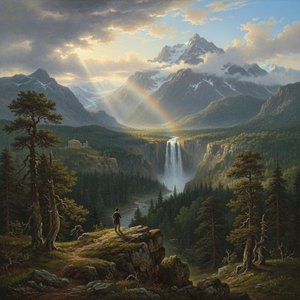
Evoking Nature's Sublime: A Comprehensive Exploration of 19th-Century Landscape Painting
Explore the captivating world of 19th-century landscape painting! Discover renowned artists like Friedrich & Monet, key movements, and find the perfect artwork to bring nature's serenity into your home. Expert insights at AllPaintingsStore.

Evocations of Place: A Historical Journey Through Landscape Art
Explore the rich history of landscape art with AllPaintingsStore. Discover renowned artists, movements like Impressionism & Romanticism, and expert guidance for collecting timeless pieces. Find your perfect serene escape today!

ロマン派ランドスケープ:時代を彩る巨匠の10選|アートとインテリアの世界
ロマン派絵画の時代を彩る10選。巨匠たちの風景が織りなす感動の世界へ。ターナー、ルーベンスなど、名作の裏話と高精細複製でアートをお部屋に。AllPaintingsStore.comで至福のアート体験を。
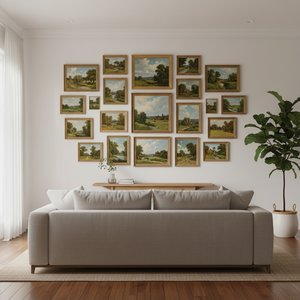
ジョン・コンスタブルの傑作25選:英国風景画の巨匠が描く自然と光の詩 | AllPaintingsStore
ジョン・コンスタブルの傑作25選。英国風景画の巨匠が描く自然と光の詩の世界へ。ロマン主義を代表する絵画、デダム・ヴェールやヘイ・ウェインなど、AllPaintingsStoreで高品質なアートプリントをお楽しみください。インテリアに深みと感動を。コレクションはこちら。

Evocations of Place: A Historical Journey Through Landscape Art
Explore the rich history of landscape art with AllPaintingsStore. Discover renowned artists, movements like Impressionism & tonalism, and expert guidance for collecting timeless pieces. Find your perfect serene escape today!

