


1


11月 2026 更新 · 当サイトの人気スコア(各作品の検索数、閲覧数、注文数)に基づくランキング · 1点の Benny Bendixenの作品がカタログにあります
クイック回答
Benny Bendixenの作品の中で最も評価の高い作品はHagar og Ismael (1831)で、その原画はコペンハーゲンのStatens Museum For Kunstに所蔵されています。 当カタログにはBenny Bendixenによる作品が1点収められています。ここに掲載されている1点は、制作年と所蔵美術館とともに、最も有名な作品を順に並べたものです。
このページに掲載されている絵画を最も多く所蔵している 1 の美術館
| 美術館 | 所在都市 | Benny Bendixenの作品 | このリストの絵画 |
|---|---|---|---|
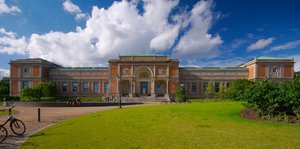 Statens Museum For Kunst |
コペンハーゲン | 1 | Hagar og Ismael |
1831:このページに掲載されているBenny Bendixenの作品はすべてこの年のものです。ランキング順に表示しています。
年を選択して作品を見る
Hagar og Ismael (1831)が第1位です。
Benny Bendixenの享年は21歳です。Hagar og Ismaelの制作年は1831年で、Benny Bendixenは1810年に生まれました。
Benny Bendixenによる作品が1点、カタログに掲載されています。
主にStatens Museum For Kunst (コペンハーゲン)に所蔵されています。全リストについては、上記の美術館一覧をご参照ください。
はい。このページに掲載されているすべての絵画は、手描きの油彩複製画、またはプリントとしてご注文いただけます。絵画を選択し、サイズを選んで注文を確定してください。
Benny Bendixen lived a life defined by the quiet pursuit of recognition within the rigorous structures of the nineteenth-century art world. Born in 1810, he emerged from Copenhagen with an ambition that would lead him through several seasons of academic trial. His early years were marked by a determined attempt to secure the Art Academy's gold medal, a feat he pursued with singular focus on three separate occasions. Despite his persistence, the strict eye of Professor Lund remained unmoved by his efforts, and the desired accolades remained out of reach.
This lack of academic approval may have influenced his eventual departure from Denmark. While the reasons for his movement remain a matter of historical speculation, it is possible that personal ties drew him toward Mecklenburg, closer to the birthplace of his wife. Such shifts in geography often accompanied the lives of many artists of his era, moving between the cultural centers of Copenhagen, Hamburg, and Mecklenburg.
When the formal gates of the Academy did not open, Bendixen turned his talents toward the practical demands of the portraitist. In Hamburg, he established himself through a diverse range of technical disciplines. He was not limited to the brush; his professional life was shaped by the evolving technologies of his time.
His repertoire included several distinct modes of image-making:
This versatility allowed him to sustain a livelihood in Hamburg, far from the academic scrutiny of his youth. He functioned as a working artist, meeting the needs of a society that required accurate and dignified representations of its members.
The trajectory of Bendixen's career was one of adaptation rather than institutional triumph. He moved through the landscapes of Northern Europe, leaving behind works that reflect the technical skill of a trained hand. His death in 1877 marked the end of a life spent navigating the tension between personal ambition and professional reality. Though he did not secure the gold medal he sought, his ability to master painting, lithography, and photography remains a clear record of his capability.