The Visionary Behind the Lens: The Life of Jean Laurent
In the mid-nineteenth century, as the world began to transition from the romanticized sketches of painters to the stark, unyielding truth of the camera, one figure emerged to capture the very soul of Spain. Jean Laurent, born July 23rd, 1816, in Garchizy, France, was far more than a mere technician of light; he was a pioneer who bridged the gap between traditional artistry and the burgeoning medium of photography. Though his roots were French, his heart and legacy became inextricably linked to the Spanish landscape. Before he ever held a camera, Laurent’s early life was defined by the tactile precision of tradesmanship, working as a box maker and paper cutter. This foundational experience with texture, light, and material would later manifest in his meticulous approach to photographic composition, allowing him to see the world not just as a series of subjects, but as a delicate arrangement of shadows and highlights.
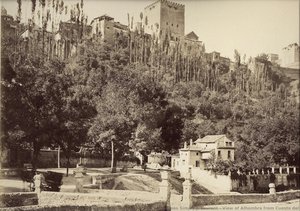
The year 1843 marked a transformative moment in art history when Laurent relocated to Madrid. This move was not merely a change of scenery but a profound artistic pilgrimage. Arriving during the dawn of the photographic era, he found himself working alongside the legendary Charles Clifford. Together, these visionaries established a studio that would become the definitive eye for Spain’s cultural and architectural heritage. Their collaborative spirit helped transform photography from a scientific curiosity into a respected fine art, capable of documenting the grandeur of the Alhambra and the intimate details of Spanish life with unprecedented clarity.
Innovation and Royal Recognition
Laurent’s contribution to the medium extended far beyond the simple act of capturing images; he was a true innovator of the photographic process itself. Alongside his partner, José Martínez Sánchez, Laurent ventured into the realm of chemical and technical advancement. Their most significant achievement in this regard was the patenting of “Leptographic Paper.” This revolutionary technique allowed for the creation of positive prints, representing a monumental leap forward from the cumbersome negative processes of the time. This innovation provided a level of detail and tonal richness that captivated both the scientific community and the art world, ensuring that his images possessed a permanence and beauty that could be shared with a wider audience.
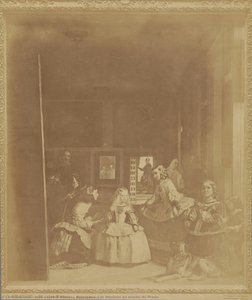
The prestige of his work eventually caught the attention of the highest echelons of Spanish society. From 1861 to 1868, Laurent held the esteemed title of “Fotógrafo de Su Majestad la Reina” (Her Majesty The Queen's Photographer). This royal patronage was not merely a badge of honor but a key that unlocked doors to previously inaccessible treasures. Through this privilege, Laurent gained the rare opportunity to document profound artistic masterpieces, including the haunting and enigmatic Black Paintings by Francisco Goya. By capturing these works through his lens, he played a vital role in preserving and disseminating the dark, emotive power of Spanish Romanticism for future generations.
A Lasting Photographic Legacy
The historical significance of Jean Laurent lies in his ability to act as a visual historian. His body of work serves as a breathtaking time capsule, offering a window into a Spain that was rapidly changing under the pressures of modernity. Through his lens, we see the timeless majesty of monuments like the Alhambra and the quiet, everyday rhythms of 19th-century Spanish life. His photographs are characterized by:
- Technical Precision: A mastery of light and shadow derived from his early training in paper and texture.
- Cultural Preservation: An unwavering commitment to documenting the architectural and artistic landmarks of Spain.
- Technological Advancement: The introduction of new printing methods that elevated the quality of photographic art.
When Laurent passed away in 1886, he left behind a legacy that transcends the medium of photography. He did not just take pictures; he constructed a visual narrative of a nation’s identity. Today, his images remain essential touchstones for historians and art lovers alike, standing as a testament to a man who used the new science of light to immortalize the enduring spirit of Spain.
Q&A
Jean Laurentの出生地と誕生年はいつですか?
Jean Laurentは1816年にガルシーで生まれました。
カタログ内で閲覧可能なJean Laurentの作品数はいくつですか?
すべての作品一覧ページでは、Jean Laurentによる作品数 3点点のアートワークをご覧いただけます。
特定のテーマに基づいたJean Laurentの作品を探すには、どうすればよいですか?
特定のテーマに沿ったJean Laurentの作品を探すには、キーワードごとに作品が分類されているアーティストのキーワード別ページをご活用ください。