


1


11月 2026 更新 · 当サイトの人気スコア(各作品の検索数、閲覧数、注文数)に基づくランキング · 3点の Jerónimo Cosidaの作品がカタログにあります
クイック回答
Blessed Bridget (1550)はJerónimo Cosidaの最も有名な作品です。原画はPamplonaのUniversity of Navarra Museumに所蔵されています。 The birth of John the Baptist (1578)が第2位、Noli Me Tangere (1570)が第3位です。 Jerónimo Cosidaによる作品は、当カタログに3点ございます。ここでは、ご注文の際の参考にしていただけるよう、最も有名な3作品を、制作年と所蔵美術館とともにランキング形式でご紹介します。


The scene unfolds in Noli Me Tangere, a work by the Spanish Renaissance painter Jerónimo Cosida. Created around 1570, this oil on pine wood captures a profound moment of spiritual encounter. The painting presents a biblical episode that many interpret as the Resurrection, specifically the moment Jesus meets Mary Magdalene. There is a palpable tension in the air as the figures interact within this sacred narrative.
このページに掲載されている絵画を最も多く所蔵している 3 の美術館
| 美術館 | 都市 | Jerónimo Cosidaの作品 | このリストの絵画 |
|---|---|---|---|
 University of Navarra Museum |
Pamplona | 1 | Blessed Bridget |
 Saragossa Museum |
サラゴサ | 1 | The birth of John the Baptist |
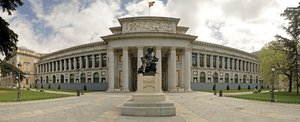 プラド美術館 |
マドリード | 1 | Noli Me Tangere |
1550年から1578年まで、Jerónimo Cosidaによる29年間の作品群:お好みの年代を年ごとに探すことができます。
年を選択して作品を見る
The scene unfolds in Noli Me Tangere, a work by the Spanish Renaissance painter Jerónimo Cosida. Created around 1570, this oil on pine wood captures a profound moment of spiritual encounter. The painting presents a biblical episode that many interpret as the Resurrection, specifically the moment Jesus meets Mary Magdalene. There is a palpable tension in the air as the figures interact within this sacred narrative.
Blessed Bridget (1550)(University of Navarra Museum, Pamplona)が第1位、次いでThe birth of John the Baptist (1578)、Noli Me Tangere (1570)の順となっています。
Jerónimo Cosidaの享年は40歳です。Blessed Bridgetの制作年は1550年で、Jerónimo Cosidaは1510年に生まれました。
Jerónimo Cosidaによる作品が3点、1550年から1578年にかけてのものがカタログに掲載されています。
主にUniversity of Navarra Museum (Pamplona), Saragossa Museum (サラゴサ) と プラド美術館 (マドリード)に所蔵されています。全リストについては、上記の美術館一覧をご参照ください。
このページで最も古い作品: Blessed Bridget (1550)。最新の作品: The birth of John the Baptist (1578)。
はい。このページに掲載されているすべての絵画は、手描きの油彩複製画、またはプリントとしてご注文いただけます。絵画を選択し、サイズを選んで注文を確定してください。
In the golden era of the Spanish Renaissance, few figures commanded as much versatility and devotion as Jerónimo Vicente Vallejo Cósida. Born into a noble family around 1510, Cósida was far more than a mere painter; he was a true polymath of the sixteenth century, weaving his creative spirit through the disciplines of sculpture, goldsmithing, and architecture. His life, spanning nearly sixty years of tireless artistic production, was deeply rooted in the province of Zaragoza, where he became a cornerstone of the Aragonese Renaissance. As an artist who never traveled to Italy, his mastery was not born of direct pilgrimage to the heart of the Renaissance, but rather through a profound ability to absorb and translate the most sophisticated European currents into a uniquely Spanish vernacular.
The evolution of Cósida’s hand is a journey from the meticulous precision of his early training to the sweeping, emotive grandeur of Mannerism. Having studied in Valencia under the guidance of Vicente Masip, he began his career with a focus on the intricate details of altarpieces and mural paintings. His early works, such as the Altarpiece of San Juan Bautista for the Tarazona Cathedral, reveal a craftsman obsessed with the delicate nuances of form. As his career matured, Cósida became a pioneer of innovation in Aragon, working alongside the Italian master Tomás Peliguet to introduce a new level of sophistication to the region's sacred art. His style eventually blossomed into a sophisticated Mannerism, where he drew inspiration from the divine grace of Raphael and the subtle, atmospheric shadows of Leonardo da Vinci.
To gaze upon a work by Cósida is to witness a profound dialogue between technical rigor and spiritual elegance. He possessed an extraordinary capacity for detail, particularly in his treatment of the feminine figure and the delicate textures of drapery. His compositions were often elaborate, utilizing complex spatial arrangements that guided the viewer's eye through sacred narratives with a sense of rhythmic grace. This meticulousness was not merely decorative; it served to elevate the theological weight of his subjects, making the divine feel tangibly present within the earthly realm.
His professional life was marked by significant patronage and monumental achievements that left an indelible mark on Spanish ecclesiastical history:
Though much of his physical output has been dispersed or destroyed, the historical significance of Jerónimo Cosida remains unshakeable. He was a bridge between eras, a man who took the burgeoning influences of the High Renaissance and anchored them firmly in the soil of Spain. Through his work, the elegance of gesture, the intricacy of detail, and the majesty of sacred composition found a permanent home in the heart of Aragon, ensuring that his name would forever be linked to the dawn of Spanish modern painting.