


 ნახვა ინტერьерში
 გაგზავნა
 გაზიარება
 დეტალები
 გზამკვლევი

 ჩამოტვირთვა
 მსგავსები
 რენტგენოგრაფიული კვლევა
 სლაიდშოუ
 Q&A
Q&A სტატისტიკა
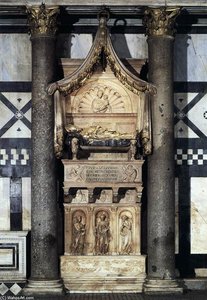
St John the Baptist


 სრული ტექსტის ნახვა
გიკლე / ხელოვნების პრინტი
მუზეუმის დონის ჟიკლე ან ტილოზე ბეჭდვა სწრაფი წარმოებისა და დასრულების მოქნილი ვარიანტებით. ( შეიძინეთ ხელით შესრულებული ნახატი გადასვლა ციფრულ გამოსახულებაზე)




P118B ₾10

P118H ₾10

P118W ₾10

P438Z ₾10

P508JH ₾12

P508YH ₾12

P805H ₾10

P805Z ₾10

P919BZ ₾10

P919G ₾10

P919XJ ₾10

P959ZH ₾10

P968JZ ₾12

W106C ₾8

W218G ₾10

W218JH ₾8

W218Y ₾10

W307PJ ₾10

W316G ₾10

W316PJ ₾8

W316Y ₾10

W398PJ ₾8

W4111J ₾10

W500HY ₾15

W500JH ₾15

W692G ₾12

W849H ₾8

W940BG ₾15

W953PJ ₾8




აირჩიეთ ჩვენს მიერ წინასწარ განსაზღვრული ზომებიდან, რომლებიც ნაწარმოების ორიგინალურ პროპორციებს შეესაბამება.

შეიყვანეთ თქვენთვის საჭირო სიგანე და სიმაღლე, რათა იგი მოერგოს თქვენს ჩარჩოს ან კედელს. ბეჭდვისას შესაძლებელია მხოლოდ მისი შემცირება და არა გაზრდა, ამიტომ სხვა ფორმის ზომის შემთხვევაში გამოსახულება ნაწილობრივ იკარგება. სანამ რაიმეს დაბეჭდავთ, ჩვენ გამოგიგზავნით ციფრულ მაკეტს დასდასტურებლად. ამ გვერდზე ნაჩვენები სურათი არ ასახავს რეალურ ჭრას — ამას მხოლოდ მაკეტი გვიჩვენებს.
მიწოდება მთელ მსოფლიოში () 2 კვირაში, სტანდარტული 4/5 კვირის ნაცვლად. (30 ოქტომბერი)

უფასო ექსპრეს მიწოდება მთელ მსოფლიოში

მაღალი ხარისხის ტილო

ტრანსპორტირების სრული დაზღვევა

საბაჟო გადასახადების დაბრუნების გარანტია

ფერების სრული შესაბამისობის გარანტია

დაბრუნების 100-დღიანი პერიოდი (მხოლოდ წარმოების დეფექტის შემთხვევაში)

100% თანხის სრული დაბრუნების გარანტია

ფასდაკლება დიდი რაოდენობით შეკვეთისას
 მინის ჩარჩოს არჩევანი ხელმისაწვდომია მხოლოდ 110 სმ-მდე ზომისთვის

St John the Baptist
გიკლე / ხელოვნების პრინტი
რეპროდუქციის ზომა
-


ჯამური ღირებულება
₾ 167
The Silent Majesty of St. John the Baptist
Donatello’s “St. John the Baptist,” sculpted around 1438 in Carrara marble and now residing within the serene Chapel of St. John the Baptist at Santa Maria Gloriosa dei Frari in Venice, is more than just a portrait; it's an embodiment of Florentine Renaissance ideals – a masterful synthesis of classical restraint and deeply human emotion. This isn’t the triumphant, idealized figure often depicted in later High Renaissance art; instead, Donatello presents us with a young man wrestling with profound spiritual awareness, a figure both vulnerable and powerfully resolute.
The sculpture immediately draws the eye with its stark simplicity. The pose is deliberately unassuming: John stands on a simple, unadorned pedestal, his body slightly turned away from the viewer, creating an intimate sense of connection. His garments are rough, almost shaggy, crafted from animal hide – a deliberate choice that speaks to his ascetic lifestyle and rejection of worldly comforts. This isn’t a king or a warrior; it's a prophet stripped bare, preparing for his calling. The muted palette of the marble further enhances this sense of austerity, emphasizing the figure’s inner intensity rather than external grandeur.
Donatello’s genius lies in his ability to imbue this seemingly straightforward form with an extraordinary depth of feeling. His face is a study in concentration and quiet contemplation. The furrowed brow, the intense gaze fixed on some distant point, and the slightly parted lips suggest a man wrestling with weighty truths – the impending judgment, the need for repentance, and the promise of salvation. The hand raised to his chest isn’t a gesture of piety; it's an expression of profound inner turmoil, as if he is grappling with the burden of his prophetic role.
A Renaissance Synthesis: Classical Influence & Florentine Innovation
To fully appreciate “St. John the Baptist,” one must understand the artistic currents swirling around Florence in the early 15th century. Donatello was deeply influenced by the rediscovery and reinterpretation of classical sculpture, particularly the works of Greek and Roman masters. However, he didn’t simply copy these ancient forms; instead, he adapted them to his own unique vision, imbuing them with a distinctly Florentine sensibility.
Notice the subtle contrapposto – the shift in weight that creates a dynamic sense of movement within the static form. This technique, borrowed from classical sculpture, gives John’s body a naturalism and vitality rarely seen in earlier Gothic art. Furthermore, Donatello's use of marble is remarkably expressive; he skillfully manipulates the texture and surface to create subtle gradations of light and shadow, highlighting the contours of the face and torso and adding depth and volume to the figure.
Crucially, Donatello was pushing beyond the conventions of his predecessors. While earlier Florentine sculptors often depicted religious figures in elaborate, richly ornamented robes, Donatello favored a more restrained approach, focusing on capturing the essence of the subject’s character rather than merely illustrating their status or piety. This emphasis on psychological realism – conveying inner thoughts and emotions through outward form – was a hallmark of the Early Renaissance.
Symbolism & Spiritual Significance
The sculpture is rich in symbolic meaning, reflecting John's role as a precursor to Christ. The rough animal hide garments represent his rejection of worldly possessions and his dedication to a life of simplicity and asceticism. His bare feet symbolize humility and connection with the earth.
The raised hand, as mentioned earlier, is particularly significant. It’s not an act of blessing or benediction; it's a gesture of warning – a call to repentance and preparation for the coming of the Messiah. The book held in his hand isn’t a scriptural text but a scroll containing John’s prophecies, further emphasizing his role as a messenger of God.
The overall effect is one of profound spiritual intensity. “St. John the Baptist” is not merely a depiction of a biblical figure; it's an invitation to contemplate our own relationship with faith, morality, and the mysteries of existence. It’s a testament to Donatello’s ability to capture the complexities of the human spirit within the confines of sculpted stone.
A Legacy Enduring: Reproduction & Artistic Inspiration
Reproductions of “St. John the Baptist” offer art enthusiasts and interior designers alike an opportunity to bring this iconic masterpiece into their homes or spaces. When selecting a reproduction, consider the level of detail and accuracy – a high-quality print on canvas or a meticulously crafted three-dimensional sculpture will best capture the essence of Donatello’s original work.
Beyond its aesthetic appeal, “St. John the Baptist” serves as a powerful reminder of the enduring legacy of the Early Renaissance. Donatello's innovative techniques and profound psychological insights continue to inspire artists and designers today, demonstrating the timeless relevance of his vision. This sculpture is not just a work of art; it’s a window into the soul of Florence – a city that forever changed the course of Western civilization.
კითხვები და პასუხები
ვინ არის „St John the Baptist“-ის ავტორი და როდის შეიქმნა იგი?
დონატელო-მა შექმნა „St John the Baptist“ 1438 წელს.
რა ფერი დომინირებს დონატელო-ის „St John the Baptist“ კომპოზიციაში?
ნამუშევარში "St John the Baptist" ყველაზე თვალსაჩინო ფერია Putty (#d1cec9). დომინანტური ფერის ცოდნა სასარგებლოა ნამუშევრის ინტერიერთან შესაბამისობისთვის.
ვინ შექმნა "St John the Baptist" და რა სტილშია შესრულებული?
დონატელო-მა შექმნა „St John the Baptist“ Early Renaissance სტილის ფარგლებში.
მსგავსი ნამუშევრები




მხატვრის ბიოგრაფია
ადრეული ცხოვრება და კარიერა
დონატო დი ნიკოლო დი ბეტო ბარდი, რომელიც მსოფლიოს დონატელად არის ცნობილი, დაახლოებით 1386 წელს იტალიის ქალაქ ფლორენციაში დაიბადა. მან სიღრმისეულად შეისწავლა კლასიკური სკულპტურა, რამაც უდიდესი გავლენა მოახდინა ადრეული რენესანსის სტილის ჩამოყალიბებაზე. ხელოვნებისა და კულტურისადმი ეს ახლებური მიდგომა საბოლოოდ ფლორენტიული რენესანსის მთავარ ნიშნად იქცა.მთავარი ნამუშევრები და ინოვაციები
დონატელის ყველაზე ცნობილ შემოქმედებას, „დავითს“, ანტიკური ხანის შემდეგ პირველი თავისუფლად მდგარი მამაკაცის შიშველი სკულპტურა წარმოადგენდა. მედიჩების ოჯახის მიერ შეკვეთილმა ამ ნამუშევრმა დონატელის ინოვაციური სტილი და ტექნიკური ოსტატობა ყველას თვალს სადარდოოდ აჩვენა. მის სხვა გამორჩეულ ნამუშევრებს შორის აღსანიშნავია:- წმინდა ლუი ტულუზელი (ამჟამად სანტა კროჩეს ბაზილიკას მუზეუმში), რომელიც დონატელის მიერ შექმნილ კლასიკურ ჩარჩოს შეიცავს.
- ისაკის მსხვერპლშეწირვა, რომელიც ფლორენციის სანტა მარია დელ ფიორეს კამპანილისთვის შეიქმნა და გამოირჩევა პორტრეტული დეტალების სიმძაფრით.
- ჯვარცმა (1425) სანტა კროჩასთვის, სადაც ქრისტე ტანჯვის მომენტში არის გამოსახული.
მხატვრული სტილი და მემკვიდრეობა
დონატელის შემოქმედება შეიძლება რამდენიმე ფაზად დაიყოს, რომელიც დაიწყო ექსპრესიულობისა და კლასიკური მონუმენტურობის განვითარებით. მისი ნამუშევრები საზოგადოების მიერ მაშინვე არ იქნა აღიარებული, თუმცა მოგვიანებით უდიდეს პოპულარობას მოიპოვა და გავლენა მოახდინა სხვა იტალიურ სამარხოებსა და ევროპელ ხელოვანებზე. მთავარი სახელოვნებო მიმდინარეობები:პირადი ცხოვრება და სამუშაო სტილი
დონატელი ცნობილი იყო თავისი კეთილგანწყობითა და სიმხიბლურით, თუმცა მისი კარიერის ბიზნეს მხარე საკმაოდ სუსტი იყო. მას ხშირად უფრო მეტ შეკვეთას იღებდა, ვიდრე შეძლებდა შესრულებას, რის გამოც ნამუშევრებს ხშირად დაგვიანებით ასრულებდა ან სხვა სკუმშტორებს გადასცემდა. აღსანიშნავი ხელოვანები და ნამუშევრები:- ლეონარდო და ვინჩი: მადისმღობელობა (დეტალი)
- ამიკო ასპერტინი: პანის სტატუა / ლომი, რომელიც ცხენს კბილებს უჭერს
- მიკელანჯელო ბუონაროტი: ტონდო პიტტი
მუზეუმები და ხელოვნების კოლექციები:
- კოლეჯატას მუზეუმი (ემპოლი, იტალია): რენესანსის ნкрыლი 보ხატი, რომელიც ფრანჩესკო ბოტнициნისა და რაფაელო ბოტнициნის ნამუშევრებს აერთიანებს.
- ადრეული იტალიური რენესანსის ხელოვნების მიმდინარეობა

დონატელო
1386 - 1466 , იტალია
მოკლე ფაქტები
- Artistic Movement Or Style: ად Frühe Renaissance (ადრეული რენესანსი)
- Artists Or Movements Influenced By This Artist:
- იტალიური რენესანსი
- ადრეული რენესანსი
- ფლორენციული რენესანსი
- Artists Who Influenced This Artist: ['კლასიკური სკულპტურა']
- Date Of Birth: დაახლ. 1386
- Date Of Death: 1466
- Full Name: დონატელო დი ნიკოლო
- Nationality: იტალიელი
- Notable Artworks:
- დავითი
- ტულუზელი წმინდა ლუი
- ისაკის მსხვერპლშეღება
- ჯვარცმა
- Place Of Birth: ფლორენცია, იტალია
მსგავსი სტატიები

ჯონ კონსტებლის 25 საუკეთესო შედევრი | ხელოვნების რეკრეაციები AllPaintingsStore-ზე
გაიცანით ჯონ კონსტებლის 25 საუკეთესო შედევრი! ინგლისური პეიზაჟების ისტორია, XIX საუკუნის ხელოვნება და AllPaintingsStore-ზე ხელოვნების უნიკალური კოლექცია. შეიძინეთ ხარისხიანი რეკრეაციები სახლის დეკორაციისთვის. აღმოაჩინეთ სრულყოფილი შეფერილი ტილოები AllPaintingsStore.com-ზე!

Bronze Age to Modern Masters: 10 Sculptures That Redefined Art | AllPaintingsStore
Journey through art history with 10 legendary bronze sculptures – from Michelangelo's David to Rodin’s Thinker. Explore the stories, techniques & timeless beauty of these masterpieces. Find museum-quality reproductions & elevate your home decor on AllPaintingsStore.com.
John Singer Sargent's 25 Masterpieces: Portraits & Beyond | AllPaintingsStore
Explore 25 iconic John Singer Sargent paintings – from dazzling portraits to Impressionist landscapes. Discover the stories behind Madame X, El Jaleo & more! Find museum-quality art reproductions and elevate your home decor with AllPaintingsStore.com.

Bronze Sculptures That Defined Art History | AllPaintingsStore
Journey through art history with our Top 10 bronze sculptures! Explore masterpieces by Rodin, Michelangelo & more. Discover stories behind iconic statues and find museum-quality reproductions for your home decor at AllPaintingsStore.com.

The Enduring Form: Exploring Themes & Techniques in Sculpture Across Historical Periods
Explore the rich history of sculpture from ancient masterpieces to contemporary innovations. Discover key techniques, influential artists & investment potential for discerning art collectors.

