- მთავარი გვერდი

- ზეთის ტილოზე რეპროდუქცია
- ფრანც მარკი
- Tiger in Jungle

 ნაბეჭდის შეძენა გამოსახულების შეძენა
 გაგზავნა
 გაზიარება
 დეტალები
 დამატება ფავორიტებში

 ჩამოტვირთვა
 მსგავსები
 რენტგენოგრაფიული კვლევა
 სლაიდშოუ
Tiger in Jungle


 გადასართად დაწვრილებით ნახეთ
ხელით ნაკვეთი ზეთის ტილოს რეპროდუქცია
ტილოზე შესრულებული ფერწერიანი ზეთប្រდათი, თქვენთვის სასურველი ზომისა და ჩარჩოსთვის, ჩვენი ხელოვანების მიერ შეკვეთის საფუძველზე დამზადებული.




P118B $10

P118H $10

P118W $10

P438Z $10

P508JH $12

P508YH $12

P805H $10

P805Z $10

P919BZ $10

P919G $10

P919XJ $10

P959ZH $10

P968JZ $12

W106C $8

W218G $10

W218JH $8

W218Y $10

W307PJ $10

W316G $10

W316PJ $8

W316Y $10

W398PJ $8

W4111J $10

W500HY $15

W500JH $15

W692G $12

W849H $8

W940BG $15

W953PJ $8




აირჩიეთ ჩვენს მიერ წინასწარ განსაზღვრული ზომებიდან, რომლებიც ნაწარმოების ორიგინალურ პროპორციებს შეესაბამება.

თქვენ შეგიძლიათ მიუთითოთ თქვენთვის სასურველი ზომები კონკრეტული ჩარჩოს ან სივრცის შესაბამისად. თუ თქვენ მიერ არჩეული ზომა არ შეესაბამება ორიგინალი გამოსახულების პროპორციებს, ჩვენ ან შევაჭრებთ ნაწარმოებს, ან ტილოზე დავამატებთ ხელით მოხატულ ელემენტებს. წარმოების დაწყებამდე, დამტკიცებისთვის გამოგეგზავნებათ ციფრული მაკეტი.
გთხოვთ, გაითვალისწინოთ, რომ ეკრანზე ნაჩვენები წინასწარი შეხედულება არ ასახავს რეალურ შეჭრას ან გაფართოებას. საბოლოო კომპოზიციას ზუსტად მხოლოდ მაკეტი წარმოაჩენს.
მიუხედავად იმისა, რომ შესაძლებელია ინდივიდუალური ზომების შერჩევა, ორიგინალური პროპორციების შენარჩუნებისათვის გირჩევთ, გამოიყენოთ წინასწარ განსაზღვრული სიის ზომები.
შეკვეთის შემდეგ, AllPaintingsStore.com გუნდი დაგიკავშირდებათ ელექტრონული ფოსტით ინსტრუქციებისთვის და გამოგიგზავნით წინასწარ ნახაზს (mockup).
მიწოდება მსოფლიო მასშტაბით -ში 3/4 კვირაში, სტანდარტული 5 კვირის ნაცვლად. (16 ივლისი). ხარისხზე კომპრომისის გაკეთება არ მოხდება.

უფასო ექსპრეს მიწოდება მთელ მსოფლიოში

საბამად მაღალი ხარისხის ტილო

სრული ტრანსპორტირების დაზღვევა

საბაჟო გადასახადების დაბრუნების გარანტია

ფერების სრული შესაბამისობის გარანტია

60-დღიანი დაბრუნების პოლიტიკა (მხოლოდ დეფექტის შემთხვევაში)

100% თანხის დაბრუნების გარანტია

ფასდაკლება დიდი რაოდენობით შეკვეთისას
 მინის ჩარჩოს არჩევანი ხელმისაწვდომია მხოლოდ 110 სმ-ზე ნაკლები ზომისთვის

Tiger in Jungle
რეკლამაციის ტექნიკა
რეკლამაციის ზომა
-


საბოლოო ფასი
-
ნაწარმოების აღწერა
A Glimpse into the Wild Heart: Franz Marc’s ‘Tiger in Jungle’
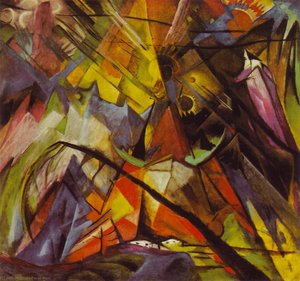
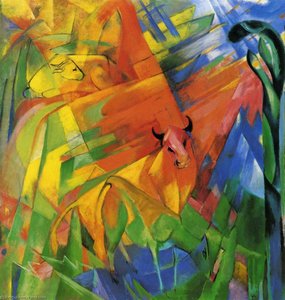
Franz Marc's 1912 painting, ‘Tiger in Jungle’, is more than just a depiction of an animal in its habitat; it’s a vibrant exploration of life force, spiritual connection, and the burgeoning anxieties of a world on the brink of change. The canvas pulsates with color – a deliberate departure from traditional naturalism – immersing the viewer in a lush, almost hallucinatory jungle environment. The tiger itself isn't presented as a fearsome predator in the conventional sense, but rather as a powerful being deeply interwoven with the energy of its surroundings. Its gaze is intense, focused on something beyond the frame, suggesting an awareness that transcends mere instinct. Marc’s choice to render the foliage and background not as realistic representations, but as dynamic arrangements of color and form, creates a sense of heightened emotionality. The painting feels less like a snapshot of nature and more like a window into its soul.
The Dawn of Expressionism and Marc's Unique Vision
To understand ‘Tiger in Jungle’, one must consider the artistic climate of early 20th-century Germany. Marc was a pivotal figure in the German Expressionist movement, specifically as a founding member of *Der Blaue Reiter* (The Blue Rider). This group sought to move beyond mere representation and instead convey inner emotional experiences through bold colors, distorted forms, and symbolic imagery. Marc’s journey towards this style wasn't immediate; his early work showed influences of Impressionism and academic painting. However, encounters with artists like Vincent van Gogh proved transformative, igniting a passion for using color as a vehicle for expressing profound feelings. He believed that animals possessed an inherent spirituality untainted by human complexities, making them ideal subjects for exploring these themes. This belief is powerfully evident in ‘Tiger in Jungle’, where the animal isn’t simply *in* the jungle, but seems to embody its very essence.
Technique and Symbolism: A Language of Color and Form
Marc's technique in ‘Tiger in Jungle’ is characterized by a deliberate simplification of form and an almost Fauvist use of color. He doesn’t strive for photographic accuracy; instead, he employs flat planes of vibrant hues – reds, greens, oranges, and yellows – to create a sense of energy and movement. The tiger's stripes are not meticulously rendered but suggested through bold black markings against the animal’s ochre body. This simplification isn’t about artistic laziness, but rather a conscious effort to distill the essence of the subject. The jungle itself is less a specific location than a symbolic representation of untamed nature and primal instinct. The tiger, in this context, can be interpreted as a symbol of power, vitality, and perhaps even impending danger – a reflection of the anxieties simmering beneath the surface of European society at the time. Some scholars also suggest that Marc imbued animals with synesthetic qualities, associating specific colors with particular emotions or sounds.
A Lasting Legacy: ‘Tiger in Jungle’ Today
Though tragically short-lived – Franz Marc died in 1916 during World War I at the age of 36 – his artistic legacy continues to resonate. ‘Tiger in Jungle’ stands as a testament to his unique vision and his profound connection to the natural world. The painting's enduring appeal lies not only in its aesthetic beauty but also in its emotional depth and symbolic richness. For collectors, it represents a significant piece of Expressionist history; for interior designers, it offers a bold statement piece capable of transforming any space with its vibrant energy. More broadly, ‘Tiger in Jungle’ invites us to contemplate our own relationship with nature, the power of instinct, and the enduring search for spiritual meaning in a rapidly changing world.
დაკავშირებული ნამუშევრები




მხატვრის ბიოგრაფია
Franz Marc – Pioneer of German Expressionism
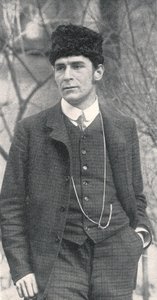
Franz Moritz Wilhelm Marc (8 February 1880 – 4 March 1916) was a German painter and printmaker, considered one of the most important figures in German Expressionism. He founded *Der Blaue Reiter* (The Blue Rider), alongside Wassily Kandinsky, August Macke, Franz Münzberger, Alexej von Jawlensky and Oskar Kokoschka—a journal whose name became synonymous with the artistic circle collaborating in it—and was instrumental in shaping its aesthetic principles. Marc’s artistic journey began amidst the intellectual ferment of Munich at the turn of the century, influenced by his father, Wilhelm Marc, a landscape painter who instilled in him an appreciation for natural beauty and contemplative observation. Sophie Marc, his mother, provided a grounding in Calvinist ethics—a worldview that profoundly impacted Marc's spiritual outlook and informed his artistic vision.- Early Life & Education: Marc’s formative years were marked by intense intellectual curiosity and a fascination with theology, mirroring the broader cultural debates of the time. Despite contemplating priesthood, he ultimately pursued art at Munich University’s Academy of Fine Arts, where he honed his skills under influential teachers like Gabriel von Hackl and Wilhelm von Diez.
- Influences & Artistic Development: Marc's artistic sensibilities were decisively shaped by encounters with Impressionism during his travels to Paris in 1903—particularly the works of Vincent van Gogh, whom he regarded as a kindred spirit. Van Gogh’s expressive use of color and raw emotion served as a catalyst for Marc’s stylistic evolution, liberating him from academic conventions and propelling him toward a more subjective artistic approach.
- Der Blaue Reiter & Artistic Philosophy: The establishment of *Der Blaue Reiter* in 1911 represented a pivotal moment in Marc's career—a bold assertion of artistic independence and a commitment to exploring the transformative potential of abstraction. Together with Kandinsky, Marc championed a radical aesthetic vision rooted in symbolism and color theory, aiming to transcend representational illusion and communicate profound spiritual truths.
- Major Works & Artistic Style: Marc’s oeuvre is characterized by his distinctive preoccupation with animal subjects—particularly horses—which he treated as emblems of innocence, vitality, and connection to the natural world. His paintings exemplify a masterful blend of simplification, expressive brushwork, and vibrant color palettes—techniques that reflected both Impressionist influences and his own evolving artistic sensibilities.
- Legacy & Historical Significance: Marc’s untimely death during World War I tragically curtailed his creative life but solidified his legacy as a visionary artist who championed the spiritual dimension of art—a contribution that continues to inspire admiration and contemplation within the art historical canon. His paintings are now housed in prominent museums globally, serving as enduring reminders of his pioneering role in German Expressionism and his profound engagement with existential questions.
- The Tower of Blue Horses (1913) – Demonstrates Marc’s masterful use of color symbolism and abstraction to convey spiritual contemplation.
- Yellow Cow (1912) – Exemplifies his exploration of animal imagery as vehicles for expressing fundamental human emotions and beliefs.
- The Tiger (1912) – Represents Marc's commitment to capturing the essence of nature through simplified forms and bold color combinations—a hallmark of his artistic style.
ფრანც მარკი
1880 - 1916 , გერმანია
მოკლე ინფორმაცია
- Artistic Movement Or Style: გერმანული გამოხდა
- Artists Who Influenced This Artist:
- ვინსენტი ვაგნოშ
- რობერტ დელაუნეი
- Date Of Birth: 8 თებერვალი 1880 წელი
- Date Of Death: 4 მარტი 1916 წელი
- Full Name: Franz Moritz Wilhelm Marc
- Nationality: გერმანელი
- Notable Artworks:
- დიდი ლენგრიის ცხენი
- ქალები მთაზე
- Place Of Birth: მუნიხი, გერმანია
დაკავშირებული სტატიები

Beastly Brushstrokes: A Historical Journey Through Animal Painting & Aesthetic Movements
Explore the rich history of animal painting across cultures & movements. Discover iconic artists, symbolism, collecting trends & expert art consultation at AllPaintingsStore.com.

გამოხატულების პირველი ნაკადი: ექსპრესიონიზმის გენეზი და XX საუკუნის ხელოვნების რევოლუცია
გამოიარჩე ექსპრესიონიზმის წარმოშობა და გავლენა XX საუკუნის ხელოვნებაზე AllPaintingsStore-ით. აღმოაჩინეთ გამორჩეული ნამუშევრები, ისტორიული კონტექსტი და პროფესიონალური კონსულტაცია.

Cubist Expressionism's 10 Defining Masterpieces | Art for Your Home
Explore 10 defining Cubist Expressionism masterpieces by Picasso, Braque & more. Discover the stories behind these bold, geometric paintings and bring museum-quality art to your home with AllPaintingsStore.com. Explore the full collection online.

German Expressionism's 10 Defining Masterpieces | Art for Your Home
Explore 10 defining German Expressionism masterpieces – from Munch's 'The Scream' to Kandinsky’s abstracts. Discover the artists, stories & bold colors behind this powerful art movement. Find museum-quality reproductions at AllPaintingsStore.com.
მარკ შაგალის 25 შედევრი: ფერების პოეზია თქვენს სახლში | AllPaintingsStore.com
აღმოაჩინეთ მარკ შაგალის 25 გამორჩეული შედევრი! ფერების პოეზია, სიყვარულის თემები და ისტორიული მნიშვნელობა. შეიძინეთ უმაღლესი ხარისხის ტილოები AllPaintingsStore.com-ზე და შექმნით თქვენი ოცნების ინტერიერი.