

1596. 캔버스에 유채, 115.0 x 150.0 cm. Pinacoteca Capitolina.

§ 1카탈로그 정보

- 115.0 x 150.0 cm


§ 2추상
 더 보기
더 보기
작가 프로필
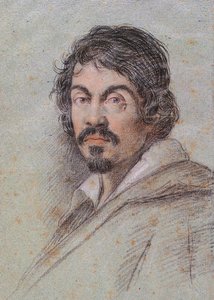
카라바조(1571-1610): 빛과 그림자의 극적인 대비를 통해 종교화를 혁신한 바로크 시대의 거장입니다. '성탄', '마태오 복음서' 등 걸작들은 강렬한 현실주의와 드라마틱한 표현으로 서양 미술사에 큰 영향을 미쳤습니다.
§ 3해설
Michelangelo Merisi Da Caravaggio: A Portrait of Intrigue and Illusion
Caravaggio’s *The Fortune Teller*, painted in 1598-99, stands as a cornerstone of Baroque art—a testament to his revolutionary approach to painting and an enduring fascination for viewers. Currently housed within the Capitoline Museums in Rome, this oil on canvas masterpiece transcends mere representation; it delves into psychological depth and masterful manipulation of light, cementing Caravaggio’s legacy as one of history's most influential artists.Composition and Narrative Depth
The scene depicts a young man receiving a palm reading from a Romani woman—a commonplace practice in Renaissance Italy—yet Caravaggio elevates this familiar subject to an extraordinary level of drama. Two figures dominate the canvas, positioned close together, creating an intimate tableau that draws the eye into their gaze. The man’s posture exudes confidence and curiosity as he observes the woman's movements with unwavering attention. Simultaneously, the Romani woman subtly manipulates his hand, attempting to conceal her deception—a gesture laden with symbolic significance. This masterful juxtaposition of gestures and expressions captures a moment of profound psychological tension, mirroring Caravaggio’s fascination with human emotion.The Genius of Chiaroscuro: Light and Shadow as Emotional Drivers
Caravaggio's signature technique—chiaroscuro—is exquisitely employed here. Dramatic contrasts between light and dark sculpt the figures and illuminate key elements of the composition. A single shaft of light descends upon the woman’s hand, highlighting her delicate gesture while simultaneously plunging the surrounding space into deep shadow. This theatrical use of illumination isn't merely aesthetic; it serves to heighten emotional impact, conveying a sense of vulnerability and intrigue. Caravaggio skillfully uses darkness to create an atmosphere of suspense and mystery, mirroring the psychological complexities inherent in the scene. The light directs our gaze, emphasizing the woman’s hand and subtly concealing her deceitful smile—a deliberate tactic that underscores Caravaggio's profound understanding of visual storytelling.Symbolism and Context Within Baroque Art
The painting resonates deeply within the broader context of Baroque art, which sought to evoke emotion and inspire awe through dramatic imagery and theatrical lighting. Like many Baroque masterpieces, *The Fortune Teller* abandons idealized beauty in favor of a gritty realism that captures the immediacy of human experience. The Romani woman’s gesture—removing the man's ring—represents deception and illusion, mirroring Caravaggio’s artistic philosophy. He deliberately challenged conventions by portraying figures with unflinching honesty, rejecting Mannerist stylization for a more visceral depiction of reality. This bold stylistic choice aligns perfectly with the Baroque impulse to confront viewers with uncomfortable truths and explore the darker recesses of human psychology.Influence Beyond Rome: Echoes in Other Masterpieces
Caravaggio’s influence extended far beyond Rome, inspiring artists across Europe who embraced his innovative technique and dramatic vision. Consider Georges De La Tour's *The Fortune Teller*, housed at the Metropolitan Museum of Art in New York—a similarly evocative portrayal of intimacy and deception achieved through masterful chiaroscuro. Furthermore, a version of *The Fortune Teller* by Caravaggio himself resides in Paris’ Grand Palais, demonstrating the artist’s enduring appeal and cementing his place as a pivotal figure in Western art history.질의응답
"The Fortune Teller"에 사용된 기법은 무엇이며, 제작 시기는 언제인가요?
카라바조의 "The Fortune Teller"의 재료는 캔버스에 유채이며, 제작 연도는 1596년입니다.
카라바조의 "The Fortune Teller"의 복제본을 어떻게 미리 볼 수 있나요?
카라바조의 "The Fortune Teller"의 복제본을 미리 보려면 작품의 가상 배치 미리보기 페이지를 확인해 주세요.
카라바조의 "The Fortune Teller"은 어느 시대의 작품인가요?
카라바조의 "The Fortune Teller"은(는) 르네상스 시대의 작품으로, 이 시기는 해당 작품의 역사적 배경을 잘 보여줍니다.


 프린트 판매로 전환


 가로 또는 세로 중 어느 한 면이라도 105cm(약 41인치)를 초과하는 작품이나 복제화의 경우, 프레임은 분해된 키트 형태로 배송됩니다. 이는 안전한 배송을 보장하고 운송 중 발생할 수 있는 손상을 방지하기 위함입니다.


