

Acrylic On Canvas.

§ 1카탈로그 정보

§ 2추상
수집품 상세 설명
 더 보기
더 보기
작가 프로필
카라바조(1571-1610): 빛과 그림자의 극적인 대비를 통해 종교화를 혁신한 바로크 시대의 거장입니다. '성탄', '마태오 복음서' 등 걸작들은 강렬한 현실주의와 드라마틱한 표현으로 서양 미술사에 큰 영향을 미쳤습니다.
§ 3해설
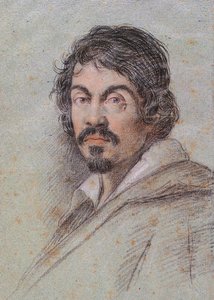
A Portrait of Dramatic Intensity: Caravaggio’s Urbanviii
Michelangelo Merisi da Caravaggio, born in Milan in 1571 amidst the turbulent backdrop of Renaissance Italy—a nation grappling with religious reformation and artistic innovation—left an indelible mark on European art history. His early life was tragically shaped by disease; plague swept through his hometown, claiming the lives of his father and grandfather when he was just six years old – experiences that instilled within him a profound understanding of human vulnerability and resilience, themes which would become central to his artistic vision. Initially trained in Milan under Simone Peterzano, Caravaggio absorbed the stylistic precepts of Titian—a titan of Venetian Renaissance painting—yet swiftly cultivated an independent spirit characterized by rebellious experimentation. This formative apprenticeship provided foundational skills but it was Rome, arriving around 1592, where Caravaggio truly blossomed as an artist, albeit not without initial hardship and struggle. The city’s vibrant artistic milieu, fueled by papal patronage and a burgeoning humanist intellectual tradition, offered both opportunity and competition—a crucible in which Caravaggio forged his distinctive style.The Style of Shadow and Light: Tenebrism
Caravaggio revolutionized painting technique with his groundbreaking approach known as tenebrismo – Italian for “darkness.” Rejecting the idealized beauty favored by many of his contemporaries, Caravaggio deliberately employed stark contrasts between light and dark to heighten dramatic effect. He eschewed traditional chiaroscuro (gradual shading) favoring instead pools of intense illumination that dramatically illuminated figures against deep black backgrounds. This technique wasn’t merely stylistic; it served a profound expressive purpose—mimicking the theatrical lighting used in opera and conveying an overwhelming sense of psychological realism. Caravaggio meticulously studied anatomy, painstakingly dissecting cadavers to achieve unparalleled accuracy in depicting human musculature and bone structure – a practice considered scandalous at the time but crucial to his artistic ambition.Symbolism Within Darkness: The Figure Illuminated
The central figure depicted in Urbanviii embodies Caravaggio’s signature style—a man seated at a table, absorbed in reading a book. This pose is deliberately chosen to convey intellectual contemplation and moral seriousness. The robe draped around him is rendered in rich crimson, symbolizing royalty and spiritual authority – referencing the patronage of influential figures like Maffeo Barberini, Pope Urban VIII. The inclusion of two vases—one on each side of the table—adds visual interest and subtly reinforces themes of balance and harmony. Furthermore, the potted plant represents vitality and growth, juxtaposed against the enveloping darkness, suggesting an inner resilience and unwavering devotion to knowledge.Historical Context: Baroque Rome
Caravaggio’s work emerged during the height of the Baroque period (approximately 1600-1750), a movement characterized by grandeur, emotion, and theatrical spectacle. The Catholic Church actively commissioned artists like Caravaggio to reinvigorate religious imagery and inspire piety—a response to the Protestant Reformation. Caravaggio's unflinching realism challenged prevailing artistic conventions and provoked considerable controversy during his lifetime. Yet, he secured enduring fame through his masterful depiction of human experience – capturing not just appearances but also inner turmoil and spiritual conviction. His influence extended far beyond Rome, inspiring artists across Europe who embraced tenebrism’s dramatic power to convey emotion and psychological depth.Emotional Resonance: A Window Into the Soul
Urbanviii transcends mere visual representation; it invites contemplation on themes of intellectuality, faith, and resilience. The artist's gaze is focused intently upon the book—a symbol of learning and enlightenment—suggesting a profound engagement with ideas and values. Caravaggio’s masterful manipulation of light and shadow creates an atmosphere of palpable tension and introspection, prompting viewers to consider the complexities of human existence. This artwork stands as a testament to Caravaggio's unparalleled ability to capture not just what is seen but also what is felt—a timeless masterpiece that continues to resonate with audiences today.질의응답
구매하기 전에 카라바조의 "urbanviii"을(를) 제 벽에 미리 배치해 볼 수 있나요?
"urbanviii"의 증강 현실(AR) 미리보기를 경험해 보세요. 호환 가능한 기기에서 작품의 AR로 미리보기 페이지를 통해 여러분의 공간에 배치된 작품을 확인하실 수 있습니다.
카라바조의 "urbanviii"의 휘도는 어느 정도인가요?
카라바조의 "urbanviii"의 기록된 휘도는 Soft Shadow입니다.
"urbanviii"은(는) 카라바조의 작품 세계에서 어떤 위치를 차지하고 있나요?
카라바조의 작품 세계에서 "urbanviii"은 religiousdrama, renaissancetradition, dramaticrealism, psychologicaldepth, iconicimagery라는 주제와 더불어 Baroque 양식을 보여줍니다.


 프린트 판매로 전환


 가로 또는 세로 중 어느 한 면이라도 105cm(약 41인치)를 초과하는 작품이나 복제화의 경우, 프레임은 분해된 키트 형태로 배송됩니다. 이는 안전한 배송을 보장하고 운송 중 발생할 수 있는 손상을 방지하기 위함입니다.


