


 실제 크기로 보기
 보내기
보내기 공유하기
공유하기
 상세 보기
상세 보기 가이드 보기

 이미지 다운로드
 유사 작품 더 보기
 X-레이
X-레이 슬라이드 쇼 보기
 Q&A
Q&A 통계 정보
통계 정보Gladioli
 유화 물감
유화 물감- 벽 장식물
- Impressionism
 1876
1876- 19세기 미술
 82.0 x 55.0 cm
 상세 보기
상세 보기
지클레 / 아트 프린트
빠른 제작과 다양한 마감 옵션을 선택할 수 있는 박물관 수준의 지클레이 및 캔버스 프린트. ( 수작업 채색 복제본 주문하기 디지털 이미지 판매 채널로 전환)




P118B ₩10

P118H ₩10

P118W ₩10

P438Z ₩10

P508JH ₩12

P508YH ₩12

P805H ₩10

P805Z ₩10

P919BZ ₩10

P919G ₩10

P919XJ ₩10

P959ZH ₩10

P968JZ ₩12

W106C ₩8

W218G ₩10

W218JH ₩8

W218Y ₩10

W307PJ ₩10

W316G ₩10

W316PJ ₩8

W316Y ₩10

W398PJ ₩8

W4111J ₩10

W500HY ₩15

W500JH ₩15

W692G ₩12

W849H ₩8

W940BG ₩15

W953PJ ₩8




작품의 원본 비율을 그대로 유지하는 프리셋 사이즈 중에서 선택해 보세요.

액자나 벽면 크기에 맞춰 필요한 가로와 세로 길이를 입력해 주세요. 프린트는 원본 이미지보다 크게 제작할 수 없으며 오직 자르는 것만 가능하므로, 비율이 다른 사이즈를 선택할 경우 이미지의 일부가 잘려 나갈 수 있습니다. 인쇄 작업에 들어가기 전, 최종 확인을 위해 디지털 목업을 보내드립니다. 이 페이지에 표시된 이미지는 실제 잘리는 영역을 나타내지 않으며, 오직 목업을 통해서만 정확한 확인이 가능합니다.


 유리 옵션은 110cm 미만 크기에서만 선택 가능합니다.

Gladioli
지클레 / 아트 프린트
복제본 규격
-


총 결제 금액
₩ 87022
A Moment Frozen in Light: Claude Monet’s “Gladioli”
Claude Monet's "Gladioli," painted in 1876, isn’t merely a depiction of flowers; it’s an exquisite distillation of Impressionist philosophy – a fleeting capture of light and color designed to evoke the very *feeling* of a summer afternoon. This oil on canvas, measuring a modest 82 x 55 cm, reveals a world bathed in dappled sunlight, where the vibrant reds and greens of gladioli blossoms dance against a hazy backdrop. More than just botanical study, “Gladioli” is an intimate portrait of a woman lost in contemplation amidst nature’s bounty, inviting us into her serene moment. Monet masterfully employs his signature technique: short, broken brushstrokes applied with rapid succession, creating a shimmering effect that mimics the way light plays upon surfaces. The colors aren't blended smoothly; instead, they are juxtaposed and layered, allowing the viewer’s eye to blend them together and experience the vibrancy of the scene directly. This deliberate lack of finish is characteristic of Impressionism – an attempt to represent not what the eye *sees* but what the mind *perceives*.The Composition: A Garden of Delights
At first glance, the painting presents a seemingly simple tableau. A woman, her features softened by the diffused light, stands before a profusion of gladioli flowers in a lush garden setting. The artist’s choice to focus on these bold red blooms immediately draws the eye, injecting a powerful dose of color into the scene. However, it's not just the individual flowers that contribute to the painting’s impact; their scattered arrangement creates a sense of depth and movement, as if they are caught in a gentle breeze. A single bird perched delicately on one of the blossoms adds an element of life and spontaneity, further animating the composition. Noticeably, Monet includes a simple umbrella – a practical object that also serves to frame the scene and provide a subtle visual anchor. The inclusion of this everyday item elevates the painting beyond a purely decorative study, suggesting a moment of leisure and quiet enjoyment within the beauty of nature.Impressionist Techniques: Capturing the Ephemeral
Monet’s genius lies in his ability to translate the fleeting effects of light and atmosphere onto canvas. “Gladioli” is a prime example of his Impressionist approach, where capturing the *impression* of a scene—its mood, its color, its transient qualities—takes precedence over precise detail or photographic realism. The soft focus achieved through his broken brushstrokes creates an almost dreamlike quality, blurring the edges and suggesting movement. He deliberately avoided sharp outlines, opting instead for hazy transitions between colors and tones. This technique wasn’t simply a stylistic choice; it was a conscious effort to represent how we actually *experience* the world – not as fixed objects but as constantly changing perceptions of light and color. The painting feels remarkably immediate, as if you could step into the garden and feel the warmth of the sun on your skin.Artistic Significance & Legacy
“Gladioli” is a pivotal work within Monet’s extensive series of garden paintings, reflecting his lifelong fascination with the natural world and his relentless pursuit of capturing its beauty. These works represent more than just landscapes; they are meditations on light, color, and the passage of time. This particular piece exemplifies Monet's innovative approach to color and light, which fundamentally altered the course of art history. It’s a testament to his ability to transform an everyday scene – a simple garden filled with flowers – into a breathtaking work of art. Interestingly, this painting shares thematic resonance with other works in Monet’s oeuvre, such as “The Garden, Gladioli,” and "Corner of the Garden at Montgeron," demonstrating a consistent exploration of similar subjects and techniques throughout his career. The North Carolina Museum of Art recognizes this significance, showcasing it alongside other Impressionist masterpieces, ensuring its continued appreciation by art enthusiasts across the nation.For those seeking to bring the beauty of Monet’s “Gladioli” into their own spaces, AllPaintingsStore offers meticulously crafted, hand-painted oil painting reproductions that faithfully capture the original's luminous quality and evocative atmosphere. Explore our reproduction here or browse our collection of Monet’s works to discover a piece that resonates with your personal style.
Discover more about the NCMA's collection and other Impressionist treasures.
질의응답
클로드 모네의 "Gladioli"은(는) 어떤 감정을 전달하나요?
"Gladioli"은(는) 평온함 느낌을 전달합니다. 이 정서적 톤은 작품이 주는 인상을 설명합니다.
클로드 모네의 "Gladioli"은 어디에서 다운로드할 수 있나요?
클로드 모네의 "Gladioli"은(는) 디지털 이미지로 고해상도 디지털 이미지 다운로드할 수 있으며, 작품의 다운로드 페이지에서 다운로드 가능합니다.
클로드 모네 작가의 다른 활동명이나 알려진 이름이 있나요?
클로드 모네은(는) 오스카-클로드 모네, 클로드 오스카르 모네, 클로드 오스카 모네라는 다른 이름으로도 알려져 있습니다.
관련 작품들


작가 소개
빛에 몰입한 삶: 클로드 모네의 세계
인상주의라는 단어와 동의어로 쓰이는 이름, 오스카-클로드 모네는 단순한 풍경화가가 아니었습니다. 그는 덧없이 흘러가는 순간들을 기록하는 연대기 작가이자, 빛과 색채로 시를 읊조리는 예술가였습니다. 1840년 11월 14일 파리에서 태어난 그의 어린 시절은 다섯 살 무렵 가족과 함께 노르망디의 르아브르로 이주하면서 예상치 못한 방향으로 흘러갔습니다. 아버지는 그가 상업적인 길을 걷기를 바랐지만, 어린 클로드의 타고난 예술적 재능은 곧 모습을 드러냈습니다. 그는 지역에서 판매하던 숯 연필 캐리커처를 통해 자신의 기술과 기업가 정신을 동시에 증명해 보였습니다. 하지만 그의 예술 여정 전체를 정의하게 될 결정적인 만남은 외젠 부댕과의 조우였습니다. 부댕은 모네에게 단순히 그림 그리는 법을 가르친 것에 그치지 않고, 자연 앞에서 직접 그림을 그리는 앙 플레르(en plein air)라는 혁신적인 아이디어를 심어주었습니다.
모네의 정식 미술 교육은 파리에서 시작되어 아카데미 스위스를 거쳐 샤를 글레르의 지도 아래 이루어졌습니다. 이곳에서 그는 오귀스트 르누아르와 같은 동료 예술가들과 깊은 우정을 쌓았는데, 이는 전통적인 아카데미 회화의 제약으로부터 벗어나고자 하는 공유된 예술적 갈망을 바탕으로 한 것이었습니다. 그의 초기 작품들은 기술적으로는 숙련되어 있었으나, 곧 그의 스타일을 상징하게 될 독특한 개성은 아직 부족했습니다. 이후 프로이센-프랑스 전쟁이라는 격변의 시기가 찾아왔고, 모네는 런던으로 피난해야 했습니다. 그곳에서 그는 J.M.W. 터너와 같은 영국 풍경화 거장들의 작품에 몰두하며, 대기 효과와 혁신적인 색채 사용법을 흡수했습니다.
미학적 혁명의 탄생
프랑스로 돌아온 모네는 태동하던 예술적 반항의 중심 인물이 되었습니다. 살롱의 보수적인 기준에 불만을 품은 그는 뜻을 같이하는 예술가들과 힘을 합쳐 독립 전시회를 조직했습니다. 1874년의 전시는 모네뿐만 아니라 미술계 전체에 있어 중대한 전환점이 되었습니다. 바로 이 자리에서 새벽녘 르아브르 항구의 안개 낀 모습을 담은 그의 작품 “인상, 해돋이”가 전시되었고, 여기서 비웃음 섞인 의미로 사용되었던 ‘인상주의’라는 명칭이 탄생했습니다. 그러나 이 이름은 오히려 굳건히 자리 잡으며, 대상의 정밀한 재현보다는 장면의 주관적인 *인상*을 포착하고자 했던 운동의 영광스러운 훈장으로 진화했습니다.
이 시기에 모네만의 독창적인 스타일이 꽃을 피웠습니다. 거칠고 눈에 띄는 붓터치, 순수한 색채를 나란히 배치하여 시각적 혼합을 유도하는 ‘색채 분할(broken color)’ 기법, 그리고 빛의 찰나적인 특성을 포착하려는 흔들림 없는 집중력이 그것입니다. 그는 변화하는 환경이 장면을 바꾸기 전에 자신의 즉각적인 지각을 기록하기 위해 끊임없이 앙 플레르 작업을 이어갔습니다. 이러한 헌신은 단순히 눈에 보이는 것을 그리는 것에 그치지 않고, 그 풍경에 반응하여 자신이 *느낀* 바를 표현하려는 시도였으며, 이는 예술적 관습으로부터의 급진적인 탈피였습니다.
지베르니: 빛과 반영의 낙원
1883년, 모네는 파리 북서쪽의 지베르니에 정착하여 그의 안식처이자 가장 위대한 영감의 원천이 될 집과 정원을 가꾸기 시작했습니다. 그는 이 땅을 이국적인 꽃들과 수양버들, 그리고 무엇보다 유명한 일본식 다리가 놓인 수련 연못이 있는 정교한 낙원으로 탈으로 변모시켰습니다. 이곳은 단순한 장식용 정원이 아니었습니다. 모네가 통제된 환경 속에서 물과 잎사귀, 그리고 반사되는 빛의 효과를 연구할 수 있는 살아있는 실험실이었습니다.
그의 생애 마지막 수십 년은 거의 전적으로 지베르니의 수련 연못을 그리는 데 바쳐졌습니다. 그는 기념비적인 ‘수련(Nymphéas)’ 연작에 착수하여, 연못의 표면을 끊임없이 변화하는 빛과 색채의 태피스트리로 묘사한 거대한 캔버스들을 만들어냈습니다. 이 작품들은 단순한 꽃 그림이 아니었습니다. 관람객을 평온한 아름다움과 명상적인 정적의 세계로 몰입시키기 위해 설계된 경험 그 자체였습니다. 이 작품들의 압도적인 규모는 전통 회화의 경계를 넓혔으며, 훗날 추상 표현주의를 예견하는 듯한 놀라움을 선사합니다.
유산: 미술사에 남긴 영원한 발자취
미술사에 끼친 클로드 모네의 영향력은 헤아릴 수 없을 만큼 거대합니다. 그는 단순히 인상주의의 창시자에 머물지 않고, 예술가들이 주변 세계를 인식하고 표현하는 방식 자체를 근본적으로 바꾸어 놓았습니다. 주관적 경험에 대한 강조, 앙 플레르 기법의 수용, 그리고 혁신적인 테크닉은 현대 미술이 추상과 비재현적 형태를 탐구할 수 있는 길을 열어주었습니다.
모네는 생전에도 당대의 전위적인 예술가로서는 드물게 상당한 상업적 성공을 거두었습니다. 그의 작품은 오늘날까지도 전 세계 관객들에게 경외심을 불러일으키며 서양 미술사에서 가장 중요한 인물 중 하나로서의 위상을 공고히 하고 있습니다. 1926년 12월 5일 세상을 떠난 그가 남긴 유산은 수세대의 예술가와 애호가들의 마음속에 깊이 울려 퍼지고 있습니다. 그의 걸작들은 파리의 오르세 미술관과 마르모탕 모네 미술관 등 권위 있는 기관들에 소장되어, 그의 시각이 앞으로도 세상을 밝히는 빛이 되도록 하고 있습니다.
주요 예술 기법
- 앙 플레르(Plein Air) 기법: 빛과 대기의 변화를 직접 관찰할 수 있게 한 그의 발전 과정의 핵심입니다.
- 색채 분할(Broken Color): 순수한 색채의 작은 붓터치를 나란히 배치하여 시각적인 혼합을 유도하는 기법입니다.
- 연작(Series Painting): 동일한 대상을 서로 다른 빛과 날씨 조건 아래에서 그려냄으로써 시간과 빛이 가진 변형의 힘을 보여줍니다.
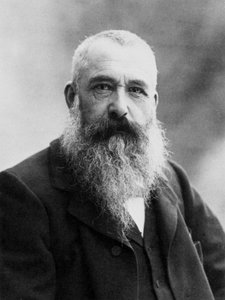
클로드 모네
1840 - 1926 , 프랑스
작가 정보 요약
- 국적: 프랑스
- 대표 작품:
- 인상, 해돋이
- 수련 연작
- 보리밭 연작
- 루앙 대성당 연작
- 사망일: 1926년 12월 5일
- 영향을 받은 예술 사조: ['현대 미술']
- 영향을 준 예술가:
- 외젠 부댕
- J.M.W 터너
- 예술 사조: 인상주의
- 전체 이름: 클로드 모네
- 출생일: 1840년 11월 14일
- 출생지: 파리, 프랑스
관련 기사

Monet's Serial Vision: How Light and Time Revolutionized Modern Art
Explore the revolutionary impact of Claude Monet's serial vision. Discover how his mastery of light, color, and time transformed Impressionism from a rebellion against tradition into the foundation of modern art history.


