

1866. Oil On Canvas.

§ 1Catalogue data


§ 2Abstract
컬렉션 상세 정보
Experience Monet's 'Seascape, Night Effect' (1866). This Impressionist masterpiece captures a dramatic night at sea with boats and a lighthouse, showcasing his mastery of light and atmosphere.
 상세 보기
상세 보기
작가 소개
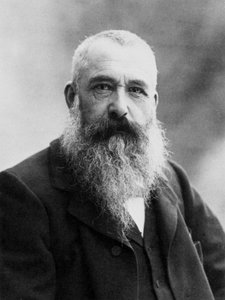
찰나의 빛과 색채를 포착한 인상주의 거장 클로드 모네의 세계를 만나보세요. '수련'과 '짚단' 등 그의 상징적인 풍경화를 통해 예술적 정수를 경험할 수 있습니다.
§ 3Commentary
Seascape, Night Effect: A Pioneering Vision of Impressionism
Claude Monet’s Seascape, Night Effect, painted in 1866, stands as a cornerstone of Impressionist art—a testament to Monet’s unwavering dedication to capturing the ephemeral beauty of nature and his revolutionary approach to artistic representation. More than just a depiction of a coastal scene, it embodies a profound shift away from academic conventions toward an artist's subjective experience of light and atmosphere. Located at the National Galleries of Scotland, this oil on canvas offers viewers a glimpse into Monet’s formative years and marks a crucial step in establishing his distinctive artistic voice.The Painting's Composition: Drama Under Cloudy Skies
The artwork presents a dramatic seascape dominated by two imposing ships positioned prominently in the foreground. These vessels serve as anchors for the eye, grounding the composition while simultaneously emphasizing the vastness of the ocean expanse above. Scattered amongst the dark hues of the sea are smaller boats navigating through choppy waters—a subtle indication of movement and dynamism within the stillness of the night. To add depth and perspective, Monet skillfully incorporates a lighthouse perched on the horizon’s right edge, creating a visual focal point that draws attention upwards into the sky. The overall arrangement is carefully considered to convey a palpable sense of unease and grandeur, mirroring the turbulent conditions of a stormy evening.Light and Atmosphere: Monet's Revolutionary Technique
Monet’s brilliance lies in his masterful manipulation of light—a technique that would become synonymous with Impressionism. He abandons traditional chiaroscuro (light-dark contrast) favored by earlier artists, opting instead for broken brushstrokes to render the interplay between moonlight and clouds. The painting’s nocturnal setting allows Monet to explore the transformative effects of luminescence on water surfaces and celestial bodies—a pursuit that would define his artistic legacy. Individual strokes of paint are blended together optically, creating an illusion of shimmering light rather than precise delineation. This innovative approach captures not merely what is seen but how it *feels*, conveying a sense of mystery and wonder.Monet's Series Paintings: An Exploration of Transient Beauty
While Seascape, Night Effect isn’t part of a specific series—though it exemplifies Monet’s broader interest in documenting natural phenomena under varying conditions—it reflects his core artistic philosophy. Like many other works from this period, including Seascape and Seascape, it underscores Monet’s conviction that art should strive to capture fleeting moments of sensory experience—the ephemeral beauty of a sunset or the subtle nuances of weather patterns. This dedication to observation and experimentation distinguishes him from his contemporaries and establishes him as a pioneer of modern artistic expression.Impressionism and Light: A Paradigm Shift
Monet’s work was profoundly influenced by Impressionism, which championed capturing light and color as perceived by the human eye—a reaction against the academic tradition's emphasis on idealized representation. The term “Impressionism” derives from Monet’s painting Impression, Sunrise—an artwork that famously sparked controversy at the First Impressionist Exhibition in 1874. Artists like Monet rejected meticulous detail and tonal gradation, favoring instead loose brushstrokes and vibrant hues to convey an impression of reality rather than a photographic likeness. This stylistic choice signaled a fundamental transformation in artistic practice, paving the way for subsequent movements such as Post-Impressionism and Fauvism.Conclusion: An Enduring Legacy
Seascape, Night Effect by Claude Monet remains a captivating exemplar of Impressionist artistry—a testament to his unwavering commitment to capturing the essence of light and atmosphere. Its composition, technique, and historical context coalesce into an enduring masterpiece that continues to inspire artists and captivate audiences worldwide. For those eager to delve deeper into Monet’s artistic journey and explore the broader landscape of Impressionism, The Museum Alte Nationalgalerie in Berlin offers invaluable resources—particularly its impressive collection of Monet’s paintings. Furthermore, examining the work of James McNeill Whistler, another influential artist of the era, through his painting Whistler's Mother provides a complementary perspective on artistic experimentation and aesthetic contemplation. Monet’s innovative use of light and color has indelibly shaped the art world—a legacy that continues to resonate with artists and viewers alike."질의응답
"Seascape, Night Effect"은(는) 몇 년도에, 어떤 사조의 작품인가요?
"Seascape, Night Effect"은(는) 1866년에 Impressionism 사조의 흐름 속에서 제작되었습니다.
"Seascape, Night Effect"에 사용된 기법은 무엇이며, 제작 시기는 언제인가요?
"Seascape, Night Effect"은(는) 1866년에 Oil On Canvas 기법으로 제작되었습니다. 재료와 제작 연도는 원작이 어떤 방식으로 언제 만들어졌는지를 설명합니다.
"Seascape, Night Effect"은(는) 클로드 모네의 예술적 발전 단계 중 어느 시기를 나타냅니까?
클로드 모네의 작품 활동 중 "Seascape, Night Effect"은(는) Mature Period 시기에 해당합니다. 이 시기는 작가의 다른 작품들과 비교해 보는 데 도움이 됩니다.


 프린트 판매로 전환


 가로 또는 세로 중 어느 한 면이라도 105cm(약 41인치)를 초과하는 작품이나 복제화의 경우, 프레임은 분해된 키트 형태로 배송됩니다. 이는 안전한 배송을 보장하고 운송 중 발생할 수 있는 손상을 방지하기 위함입니다.


