

Oil On Canvas.

§ 1Catalogue data

§ 2Abstract
컬렉션 상세 정보
Explore Claude Monet’s "untitled (5253)", a tender Realist oil painting capturing domesticity & motherhood. Discover its layered technique & serene atmosphere – a glimpse into Impressionism.
 상세 보기
상세 보기
작가 소개
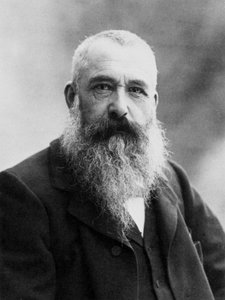
찰나의 빛과 색채를 포착한 인상주의 거장 클로드 모네의 세계를 만나보세요. '수련'과 '짚단' 등 그의 상징적인 풍경화를 통해 예술적 정수를 경험할 수 있습니다.
§ 3Commentary
Claude Monet’s “Woman with a Parasol – Madame Monet and Her Son”
“Woman with a Parasol – Madame Monet and Her Son,” painted in 1875, stands as a quintessential example of Claude Monet's Impressionist vision—a fleeting glimpse into domestic tranquility infused with the vibrant energy of nature. More than just a portrait of Monet’s wife Camille and their son Jean, it embodies a broader exploration of perception and emotion, capturing not merely what is seen but how it feels to experience a summer afternoon.
Monet's masterful technique—characterized by rapid brushstrokes and layering thin glazes of oil paint—is central to conveying this atmosphere. He eschewed the meticulous detail favored by academic painters, prioritizing instead the immediacy of observation. The scene unfolds outdoors in Argenteuil, a suburb of Paris where Monet established his studio during this period, aligning perfectly with Impressionism’s core philosophy: painting *en plein air*, directly from nature.
- Composition & Perspective: The tightly framed composition draws the viewer's eye to Camille and Jean, positioned centrally against a backdrop of lush greenery. Monet employs flattened perspective, prioritizing visual representation over strict three-dimensional accuracy—a deliberate choice that enhances the sense of spontaneity and captures the essence of the moment.
- Color Palette & Texture: Monet’s palette explodes with hues derived from the surrounding wildflowers – yellows, blues, greens – skillfully blended to create a luminous effect. The artist meticulously builds up texture through layering paint and depicting the folds and wrinkles of the bedclothes and drapery, mirroring the organic forms of the landscape.
- Symbolism: Beyond its depiction of family life, “Woman with a Parasol” carries symbolic weight. The parasol serves as a visual motif representing protection and femininity, while the flowers symbolize beauty and renewal—themes recurrent throughout Monet’s oeuvre. Camille's gaze directs towards Jean, suggesting maternal concern and highlighting the importance of familial bonds.
- Historical Context: Painted during the Second Impressionist Exhibition in 1876, this artwork reflects the broader artistic movement’s rejection of traditional conventions and embrace of subjective experience. Monet’s work challenged established norms, paving the way for modern art's exploration of emotion and atmosphere.
The resulting image is profoundly evocative—a testament to Monet’s ability to translate sensory impressions onto canvas. It invites contemplation on the beauty of everyday life and the ephemeral nature of time itself. “Woman with a Parasol” remains an enduring symbol of Impressionism's legacy, demonstrating how art can capture not just what we see but what it feels like to *be* present in the world.
질의응답
"untitled (5253)"은(는) Impressionism 사조를 대표하는 유명한 작품인가요?
클로드 모네의 "untitled (5253)"은(는) Iconic 수준으로 분류되며, Impressionism 사조에 속합니다.
"untitled (5253)"은 어떤 종류의 작품인가요?
"untitled (5253)"은(는) WallArt 작품입니다.
클로드 모네의 "untitled (5253)"의 휘도는 어느 정도인가요?
클로드 모네의 "untitled (5253)"의 기록된 휘도는 Gentle Luminance입니다.


 프린트 판매로 전환


 가로 또는 세로 중 어느 한 면이라도 105cm(약 41인치)를 초과하는 작품이나 복제화의 경우, 프레임은 분해된 키트 형태로 배송됩니다. 이는 안전한 배송을 보장하고 운송 중 발생할 수 있는 손상을 방지하기 위함입니다.


