1885. 유화 물감, 65.0 x 81.0 cm.

§ 1Catalogue data

- 65.0 x 81.0 cm


§ 2Abstract
컬렉션 상세 정보
"Willows in Springtime," by Claude Monet, embodies Impressionism's celebration of light and color, capturing the serene beauty of springtime Normandy with delicate brushstrokes and vibrant hues. Explore this masterpiece at AllPaintingsStore.com!
 상세 보기
상세 보기
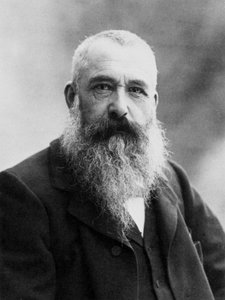
작가 소개
찰나의 빛과 색채를 포착한 인상주의 거장 클로드 모네의 세계를 만나보세요. '수련'과 '짚단' 등 그의 상징적인 풍경화를 통해 예술적 정수를 경험할 수 있습니다.
§ 3Commentary
Willows in Springtime: A Symphony of Light and Impression
Claude Monet, one of the most celebrated artists of the Impressionist movement, is renowned for his captivating depictions of nature. Among his notable works is "Willows in Springtime", a painting that embodies the essence of spring with its vibrant colors and serene atmosphere. This masterpiece, completed in 1885, transcends mere representation—it’s an immersive experience of light, texture, and emotion, capturing a fleeting moment of beauty within the tranquil landscape of Giverny.Composition and Details
Measuring 65 x 81 cm, “Willows in Springtime” showcases two large willow trees standing side by side, their branches stretching outwards to create a sense of depth and dimensionality. Monet’s masterful brushstrokes—loose, visible strokes of pigment applied wet-on-wet—are characteristic of Impressionism's core philosophy: prioritizing the sensation of seeing over meticulous realism. Smaller trees are scattered throughout the scene, adding detail and life to the composition, while a river flows gently in the background, contributing to the painting’s peaceful ambiance. The artist meticulously observed how sunlight filtered through the foliage, translating these observations onto canvas with astonishing accuracy.Artistic Significance
“Claude Monet: Willows in Springtime” is a quintessential example of Impressionist art, characterized by its emphasis on capturing light and color. Monet's deliberate choice to depict the same subject repeatedly—a technique known as *serie*—allowed him to explore variations in illumination throughout the day and across seasons. This approach wasn’t simply about documenting reality; it was about conveying an artist’s subjective perception of it, prioritizing feeling over factual precision. The painting exemplifies Impressionism's revolutionary rejection of academic conventions and its embrace of spontaneity and immediacy.Contextualizing the Artist
Claude Monet (1840–1926) was a prolific artist who explored various themes in his work, including landscapes, gardens, and water scenes. His fascination with light—particularly how it transforms color—fueled his artistic endeavors. Consider "Vase of Tulips", another notable work by Monet, which demonstrates his ability to capture the beauty of flowers in a still life setting—a testament to his versatility and unwavering dedication to portraying the natural world. His influence extends far beyond Impressionism, shaping subsequent artistic movements and inspiring generations of artists.Relevance to Art History
Monet’s works are not only aesthetically pleasing but also significant in the context of art history. His contributions to Impressionism paved the way for future movements like Post-Impressionism and Fauvism, fundamentally altering the course of Western painting. The Tokyo National Museum houses a collection of Japanese art and archaeology that reflects the cultural exchange and influence of various artistic styles—a fascinating parallel to Monet’s own exploration of diverse visual traditions. For those interested in delving deeper into Monet's legacy, "The Train in the Snow" offers a compelling insight into his ability to synthesize nature and industrial imagery—a bold departure from traditional artistic conventions.- Claude Monet: A French Impressionist painter known for his landscapes and depictions of light.
- The Tokyo National Museum (Japan): The oldest and largest museum in Japan, dedicated to preserving Japanese art and archaeology.
- "Willows in Springtime": A painting by Claude Monet that captures the serenity of spring with its vibrant colors and peaceful composition.
For a deeper understanding of Monet's influence on art history, refer to "The Train in the Snow", a painting that reflects his integration of nature and industry.
질의응답
"Willows in Springtime"의 다운로드가 가능한가요?
클로드 모네의 "Willows in Springtime"의 이미지는 작품의 다운로드 페이지에서 다운로드하실 수 있습니다: 고해상도 디지털 이미지 다운로드.
"Willows in Springtime"은(는) 어떤 화풍에 속하나요?
클로드 모네의 "Willows in Springtime"과(와) 관련된 미술 사조는 Impressionism입니다. 이러한 분류를 통해 해당 작품을 관련 작가 및 예술 작품들과 함께 파악할 수 있습니다.
클로드 모네의 "Willows in Springtime"의 특징적인 기법과 화풍은 무엇인가요?
클로드 모네의 "Willows in Springtime"은 유화 물감 기법과 Impressionism 양식을 결합한 작품입니다. 기법과 양식은 작품의 제작 방식과 스타일을 설명합니다.


 프린트 판매로 전환


 가로 또는 세로 중 어느 한 면이라도 105cm(약 41인치)를 초과하는 작품이나 복제화의 경우, 프레임은 분해된 키트 형태로 배송됩니다. 이는 안전한 배송을 보장하고 운송 중 발생할 수 있는 손상을 방지하기 위함입니다.