미리보기
미리보기
 공유하기
공유하기 공유하기
공유하기
 상세 정보
상세 정보 가이드 보기

 다운로드
다운로드
 유사 작품 더 보기
 X-레이
X-레이 슬라이드 쇼 보기
 질의응답
질의응답 통계 정보
통계 정보Unknown


 더 보기
더 보기
지클레 / 아트 프린트
빠른 제작과 다양한 마감 옵션을 제공하는 박물관 수준의 지클레이 및 캔버스 프린트. ( 수작업 채색 복제본 주문하기 디지털 이미지로 전환)




P118B ₩10

P118H ₩10

P118W ₩10

P438Z ₩10

P508JH ₩12

P508YH ₩12

P805H ₩10

P805Z ₩10

P919BZ ₩10

P919G ₩10

P919XJ ₩10

P959ZH ₩10

P968JZ ₩12

W106C ₩8

W218G ₩10

W218JH ₩8

W218Y ₩10

W307PJ ₩10

W316G ₩10

W316PJ ₩8

W316Y ₩10

W398PJ ₩8

W4111J ₩10

W500HY ₩15

W500JH ₩15

W692G ₩12

W849H ₩8

W940BG ₩15

W953PJ ₩8




작품의 원본 비율을 그대로 유지하는 프리셋 사이즈 중에서 선택해 보세요.

액자나 벽면 크기에 맞춰 필요한 가로와 세로 길이를 입력해 주세요. 프린트는 원본 이미지보다 크게 제작할 수 없으며 오직 자르는 것만 가능하므로, 비율이 다른 사이즈를 선택할 경우 이미지의 일부가 잘려 나갈 수 있습니다. 인쇄 작업에 들어가기 전, 최종 확인을 위해 디지털 목업을 보내드립니다. 이 페이지에 표시된 이미지는 실제 잘리는 영역을 나타내지 않으며, 오직 목업을 통해서만 정확한 확인이 가능합니다.


 유리 옵션은 110cm 미만 크기에서만 선택 가능합니다.

Unknown
지클레 / 아트 프린트
복제본 크기
-


최종 결제 금액
₩ 87288
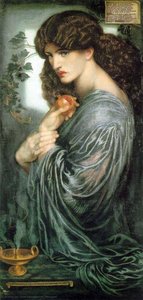
A Vision of Ethereal Melancholy
In the quiet, evocative depths of Dante Gabriel Rossetti’s "Unknown," viewers are invited into a realm where the boundaries between the earthly and the divine begin to dissolve. This hauntingly beautiful portrait presents a woman whose presence is defined not by action, but by a profound, introspective stillness. Captured in a vertical composition that draws the eye immediately to her delicate features, the subject possesses a downward gaze—a heavy-lidded, contemplative look that suggests a soul lost in the labyrinth of its own memories or unspoken longings. It is a piece that does not merely sit upon a wall; it breathes with a rhythmic, somber grace, making it an irresistible centerpiece for those who appreciate art that speaks to the complexities of the human spirit.
The painting serves as a quintessential masterclass in the Pre-Raphaelite aesthetic, a movement Rossetti himself helped pioneer. Eschewing the rigid, academic conventions of his era, he embraced a return to the vibrant naturalism and emotional sincerity found in the art preceding Raphael. In "Unknown," this is achieved through a breathtaking use of color and light. A warm, opulent palette of golds, deep reds, and burnt oranges illuminates her flowing tresses, creating a luminous halo effect that contrasts beautifully with the cooler, more somber tones of her attire. This interplay of warmth and shadow lends the skin a pearlescent quality, while the visible, textured brushstrokes remind us of the artist's intimate connection to the canvas, adding a palpable sense of immediacy and life to the work.
Symbolism and the Romantic Spirit
Beyond its surface beauty, "Unknown" is steeped in the symbolic language characteristic of the late 19th-century Romantic movement. The subject’s pose, reminiscent of classical mourning figures from antiquity, imbue the portrait with a sense of timelessness and spiritual weight. There is an inherent tension within the work—a duality between the physical beauty of the woman and the palpable sorrow etched into her expression. This reflects Rossetti's fascination with the intersection of beauty and tragedy, a theme that resonates deeply with collectors seeking art that offers both aesthetic pleasure and intellectual depth.
The background, though softly blurred and dreamlike, hints at a celestial or mythological setting, where indistinct shapes suggest the presence of stars or angelic figures. This ethereal backdrop elevates the portrait from a mere study of a face to a cosmic meditation on femininity and fate. For the interior designer, such a piece offers unparalleled versatility; its rich textures and emotive power can anchor a room, providing a focal point that inspires conversation and evokes a sense of historical grandeur. Whether placed in a sunlit gallery or a moody, library-style study, this reproduction of Rossetti’s vision brings with it an aura of sophisticated mystery and enduring elegance.
질의응답
단테 가브리엘 로세티의 "Unknown"은(는) 어떤 미술 사조에 속하나요?
"Unknown"은(는) Pre-Raphaelite Style 양식의 작품입니다. 이 사조는 해당 작품이 속한 예술적 전통을 나타냅니다.
"Unknown"의 저작권 상태가 왜 이렇게 지정되어 있나요?
"Unknown"의 저작권 상태(퍼블릭 도메인 - 저작권 보호 기간이 만료되었습니다)는 작가의 1882년 사망 시점을 기준으로 결정됩니다.
단테 가브리엘 로세티의 "Unknown"의 엑스레이(X-ray) 이미지를 확인할 수 있을까요?
단테 가브리엘 로세티의 "Unknown"의 X선 분석 페이지는 엑스레이 스타일의 뷰를 포함하여 작품 이미지의 11개 광학 레이어를 슬라이드하며 살펴볼 수 있는 인터랙티브 뷰어를 제공합니다.
유사한 작품들


작가 정보
Dante Gabriel Rossetti (1828 – 1882) Poet, illustrator, painter
Dante Gabriel Rossetti was born in London on May 12, 1828, the second child and eldest son of Italian expatriates. Gabriele Rossetti, a Dante scholar exiled from Naples for writing poetry in support of the Neapolitan Constitution of 1819, instilled within young Gabriel a deep reverence for literature and the arts. Frances Polidori Rossetti, his mother, trained as a governess and nurtured his intellectual curiosity—a formative influence that shaped his lifelong artistic pursuits. From an early age, Rossetti demonstrated exceptional talent in drawing and painting, immersing himself in the literary world of Shakespeare, Dickens, Scott, Byron, and Wordsworth. This exposure to Romantic literature profoundly impacted his aesthetic sensibilities and fueled his desire to capture beauty and emotion on canvas.Early Life and Artistic Foundations
Rossetti’s formal education included studies at King's College London and subsequently at the Royal Academy Schools, where he honed his artistic skills under the tutelage of Ford Madox Brown—a relationship that would prove enduring and influential. He devoured the works of William Blake, Edgar Allan Poe, and Lord Byron, absorbing their poetic visions and stylistic innovations. Blake’s uncompromising critique of academic painting served as a catalyst for Rossetti's own rebellious spirit, prompting him to question established conventions and champion artistic originality. The discovery of Blake’s writings ignited his imagination and instilled in him a fascination with medieval symbolism—a preoccupation that would permeate much of his subsequent oeuvre. His early poems were marked by the influence of Keats and Shelley, reflecting their exploration of beauty, mortality, and imaginative transcendence.The Pre-Raphaelite Brotherhood: A Revolt Against Convention
Rossetti’s artistic trajectory took a decisive turn in 1848 with the formation of the Pre-Raphaelite Brotherhood—a movement he spearheaded alongside William Holman Hunt and John Everett Millais. Dissatisfied with the prevailing aesthetic standards of the Royal Academy, the Brotherhood sought to revive the stylistic qualities of Italian and Flemish art *before* the High Renaissance—rejecting idealized forms and conventional compositions in favor of meticulous observation of nature and a commitment to truthful representation. This radical stance challenged Victorian artistic norms and established Rossetti as a champion of artistic freedom and innovation. The Brotherhood’s manifesto articulated a profound critique of academic painting, arguing that it lacked spiritual depth and emotional intensity—a conviction that resonated deeply with Rossetti's own artistic convictions.Painting Style: Symbolism, Sensuality, and the Female Muse
Rossetti’s artistic style evolved over time, reflecting his deepening engagement with symbolism and emotion. While initially adhering to Pre-Raphaelite realism, he gradually embraced dreamlike imagery and explored themes of love, loss, and spiritual longing—often infused with sensual undertones. His paintings became increasingly evocative of medieval myths and legends, capturing the ethereal beauty of idealized figures and landscapes. He skillfully employed color palettes that conveyed mood and emotion, utilizing rich hues to heighten visual impact and create a sense of otherworldly allure. Notably, Rossetti’s portraits frequently depicted women—often nude or semi-nude—with an arresting gaze and graceful poses—reflecting his fascination with feminine beauty and embodying his aesthetic ideals. Paintings like *Proserpine* exemplify this later style, showcasing his mastery of symbolism and his ability to evoke profound emotional responses.Legacy and Influence: Shaping Aestheticism and Beyond
Dante Gabriel Rossetti’s artistic legacy extends far beyond his own lifetime—establishing him as a pivotal figure in the development of Aestheticism and Symbolism. His unwavering belief in beauty, emotion, and subjective experience challenged Victorian materialism and championed artistic autonomy. He profoundly influenced subsequent generations of artists—including William Morris and Edward Burne-Jones—who adopted his stylistic principles and explored similar thematic concerns. Rossetti’s work continues to inspire admiration for its imaginative vision, technical skill, and emotional depth—affirming his enduring place as one of the most important artists of the Victorian era. He remains a testament to the transformative power of art—demonstrating how it can capture the complexities of human experience and transcend temporal boundaries.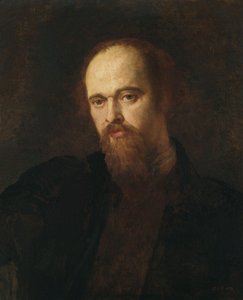
단테 가브리엘 로세티
1828 - 1882 , 영국
작가 정보 요약
- Artistic Movement Or Style: 프라하엘리트 예술 운동
- Artists Who Influenced This Artist:
- 존 키츠
- 윌리엄 블레이크
- Date Of Birth: 5월 12일
- Date Of Death: 4월 9일
- Full Name: Dante Gabriel Rossetti
- Nationality: 영국인
- Notable Artworks:
- 프로세르피네
- 요한 야스카
- Place Of Birth: 런던 영국
관련 콘텐츠

Pre-Raphaelite Romanticism: A Guide to Vivid Detail and Medieval Beauty in Victorian Art
Explore the vivid detail and medieval beauty of Pre-Raphaelite Romanticism. Discover the history of masters like Rossetti and Millais through our expert guide to Victorian art, perfect for collectors and professionals seeking authentic, museum-quality reproductions.