

Acrylic On Canvas.

§ 1Catalogue data

§ 2Abstract
컬렉션 상세 정보
Explore Fernand Léger’s striking monochrome portrait of a woman, embodying the geometric precision characteristic of Cubism and reflecting the influence of industrial design—a timeless piece perfect for enriching your art collection.
 상세 보기
상세 보기
작가 소개
레제는 입체주의와 '튜브즘'의 선구자! 기계 시대의 역동성을 담은 대담한 회화로 팝 아트에 큰 영향을 미쳤습니다. 현대 도시, 산업 이미지, 인간 형태를 단순화하여 표현한 독창적인 작품들을 만나보세요.
§ 3Commentary
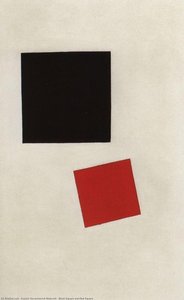
A Study in Form: Exploring Fernand Léger’s “The Mirror”
Fernand Léger's "The Mirror" isn’t merely a depiction of a woman; it’s an ambitious exploration of the intersection between human anatomy and industrial geometry—a cornerstone of Léger’s distinctive artistic approach. Painted sometime around 1925, this monochrome masterpiece exemplifies his unwavering commitment to capturing the transformative influence of the burgeoning machine age on artistic expression. Léger rejected the prevailing trend toward pure abstraction, arguing that true art could simultaneously honor tradition while embracing the radical new realities shaping the twentieth century. Instead of dissolving form into meaningless splashes of color, he meticulously crafted a composition that juxtaposes organic contours—the woman’s torso and arm—with angular, geometric shapes—the chair frame and clock face—creating a dialogue between nature and technology.- Style: Léger's style is characterized by “Constructivism,” a movement born from the Russian Revolution that prioritized functionalism and geometric abstraction as tools for conveying social ideals. However, Léger’s Constructivist tendencies are tempered with an undeniable sensitivity to humanist concerns.
- Technique: Léger employed a bold palette of black and white, utilizing thick impasto—a technique where paint is applied in textured layers—to imbue the canvas with palpable physicality. This deliberate materiality underscores Léger’s belief that art should engage the senses and communicate directly with the viewer.
Historical Context: The Machine Age and Artistic Response
The painting emerged during a period of profound societal change—the aftermath of World War I and the rapid acceleration of industrialization. Léger responded to this era not with despair or nostalgia, but with an optimistic conviction that art could illuminate the potential for progress while acknowledging the anxieties inherent in confronting modernity. The inclusion of the chair frame and clock face isn’t accidental; they serve as visual anchors, grounding the figure within a broader framework of urban life and timekeeping—symbols of efficiency and control against which Léger subtly contrasts the vulnerability represented by the human form.Symbolism Beyond Representation
While “The Mirror” eschews traditional figurative representation, it’s laden with symbolic significance. The woman herself embodies resilience and strength, positioned in a posture that conveys both grace and determination. Her raised arm suggests aspiration—a reaching for something beyond the immediate physical realm—while simultaneously mirroring the upward thrust of industrial structures. Léger's deliberate simplification of form isn’t an abandonment of emotion; rather, it amplifies it by stripping away extraneous detail, forcing the viewer to confront the essence of human experience.Emotional Impact and Artistic Legacy
Ultimately, “The Mirror” transcends its formal constraints to evoke a powerful emotional response. The stark monochrome palette contributes to an atmosphere of contemplative seriousness, inviting viewers to contemplate themes of identity, vulnerability, and the enduring relationship between humanity and technology. Léger’s pioneering approach paved the way for subsequent generations of artists who sought to reconcile abstraction with observation—a legacy that continues to inspire creativity and dialogue within contemporary art.질의응답
페르난 레제의 "The mirror"은 어떤 사조와 시대에 속하나요?
페르난 레제의 "The mirror"에서는 Geometric Abstraction 사조와 근대 미술 시대가 만납니다.
Geometric Abstraction 양식의 작품 "The mirror"은 어느 나라에서 유래되었나요?
"The mirror"은 작가의 탄생지를 통해 Geometric Abstraction 사조와 프랑스를 연결합니다.
페르난 레제의 "The mirror"의 저작권 상태는 어떻게 설명되나요?
페르난 레제의 "The mirror"은(는) 퍼블릭 도메인 - 저작권 보호 기간이 만료되었습니다 상태입니다. 저작권 보호 기간은 작가가 사망한 1955년부터 기산됩니다.




 프린트 판매로 전환


 가로 또는 세로 중 어느 한 면이라도 105cm(약 41인치)를 초과하는 작품이나 복제화의 경우, 프레임은 분해된 키트 형태로 배송됩니다. 이는 안전한 배송을 보장하고 운송 중 발생할 수 있는 손상을 방지하기 위함입니다.


