1972. Acrylic On Canvas.

§ 1Catalogue data


본 작품은 저작권법의 보호를 받습니다.
이 페이지에 표시된 작품은 저작권법의 보호를 받으며, 이에 따라 동일한 복제품을 제작하거나 판매하는 것은 법으로 금지되어 있습니다. 이러한 권리 보호는 다음과 같은 국제 협약에 따라 시행됩니다. 베른 협약 또한 다음에서 명시하는 법률을 포함한 국내법에 의해 보호됩니다. 미국 저작권법 제17조.
저희는 존중을 담은 합법적인 대안으로서, 원작에서 영감을 받은 맞춤형 수제 유화 작품을 제공합니다. 저희의 숙련된 전문 화가들은 원작의 스타일, 분위기, 예술적 정수를 면밀히 연구하여, 그 자체로 독창적인 창작물이면서도 원작과 동일한 감동을 불러일으키는 새로운 작품을 만들어냅니다.
이 방식은 저작권 보호를 받는 예술 작품을 복제하거나 그대로 재현하는 것이 아니기에 저작권 규정을 완벽히 준수합니다. 대신, 이는 창의적인 재해석의 과정을 거칩니다. 즉, 원작에서 영감을 받되 원작과 동일하지 않은 새로운 회화 작품을 의미합니다.
 상세 보기
상세 보기§ 2Abstract
컬렉션 상세 정보
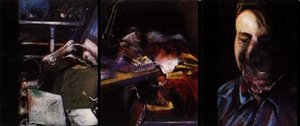
Explore Francis Bacon's poignant 'Triptych August 1972,' commemorating Dyer’s suicide with unsettling depictions of vulnerability and existential despair—a masterpiece reflecting trauma and loss.
작가 소개
프란시스 베이컨은 인간의 내면과 고통을 표현하는 독특한 스타일로 유명하며, 그의 작품들은 후기 빅토리아 시대 영국 미술에 큰 영향을 미쳤습니다. 특히 크루세ifix션 연구와 요셉 디어 초상화 시리즈는 그의 예술적 유산을 대표합니다.
§ 3Commentary
A Descent Into Darkness: Exploring Francis Bacon’s ‘Triptych August 1972’
Francis Bacon's 'Triptych August 1972', painted in 1972, stands as a haunting testament to grief and existential despair—a visceral exploration of trauma rendered with unparalleled artistic mastery. More than just a depiction of George Dyer, Bacon’s lover who tragically succumbed to suicide on October 24th, 1971, the triptych embodies the artist's profound preoccupation with mortality and the inescapable burden of memory during a period marked by immense personal upheaval. It is a work that compels viewers to confront uncomfortable truths about human vulnerability and the relentless march of time.- Subject Matter: The central panel portrays Dyer in repose on a chair, his head bowed downwards—a posture conveying profound sorrow and defeat. Alongside him are two wing panels featuring photographs of Dyer taken by John Deakin, capturing him in similar poses, albeit imbued with an unsettling dynamism. These images serve as anchors to the emotional core of the piece.
- Style & Technique: Bacon’s signature style—characterized by distorted figures and grotesque forms—is powerfully evident here. Employing oil paint mixed with sand on three canvases, he achieves a textured surface that amplifies the painting's unsettling atmosphere. The monochromatic black background dominates each panel, intensifying the sense of isolation and amplifying the psychological impact of Dyer’s presence.
- Historical Context: Painted shortly after Dyer’s death, ‘Triptych August 1972’ reflects Bacon’s deeply personal response to loss—a reaction fueled by his own tumultuous life marked by failed relationships and recurring anxieties about death. It aligns with the broader artistic landscape of the postwar era, where artists wrestled with themes of trauma and disillusionment amidst the ruins of optimism.
- Symbolism: The black paint itself symbolizes darkness, grief, and oblivion—a deliberate choice mirroring Bacon’s internal state at the time of creation. Dyer's posture embodies vulnerability and surrender to fate, while the photographs serve as reminders of a vanished intimacy. The overall composition evokes a sense of inescapable confinement and underscores the futility of resisting mortality.
- Emotional Impact: Viewing ‘Triptych August 1972’ is an emotionally challenging experience. Bacon's masterful manipulation of form and color generates a palpable feeling of unease—a confrontation with the darkest recesses of human emotion. The painting lingers in the mind long after viewing, prompting contemplation on themes of loss, remembrance, and the inescapable realities of existence.
Further Exploration & Artistic Influence
As documented in Tate Britain’s exhibition catalogue, ‘Triptych August 1972’ exemplifies Bacon's commitment to confronting uncomfortable truths about human experience—a cornerstone of his artistic legacy. Influenced by Surrealism and Expressionism, Bacon pushed the boundaries of figurative painting, rejecting idealized representations in favor of visceral depictions that capture psychological torment with unflinching honesty. The triptych stands as a pivotal work within Bacon’s oeuvre, solidifying his reputation as one of the most significant artists of the 20th century. Its enduring power resides in its ability to provoke profound emotional responses and inspire ongoing dialogue about art's capacity to grapple with existential anxieties.Reproductions & Decorative Considerations
High-quality reproductions of ‘Triptych August 1972’ offer an opportunity to experience Bacon’s artistic vision within the context of contemporary interior design. Consider framing options that complement the painting's somber palette—matte black frames can enhance its dramatic effect, creating a sophisticated and contemplative space. When selecting a reproduction, prioritize archival quality prints using pigment inks to preserve color accuracy and ensure longevity. This artwork is best appreciated in environments where it can serve as a focal point for reflection and contemplation – spaces designed to foster introspection and evoke the profound emotional resonance of Bacon’s masterpiece.질의응답
"Triptych August 1972" 작품은 명암 대비가 강한 편인가요?
"Triptych August 1972"의 명암 대비는 Statement로 기록되었습니다. 대비는 밝은 부분과 어두운 부분의 차이가 얼마나 강한지를 나타냅니다.
프랜시스 베이컨의 "Triptych August 1972"에는 어떤 소재가 등장하나요?
프랜시스 베이컨의 "Triptych August 1972"에 나타난 주제로는 memory, suicide, portraiture, existentialism, pain, isolation, black paint 등이 있습니다. 이들은 모여 작품의 소재를 요약해 보여줍니다.
"Triptych August 1972"의 작가는 누구인가요?
"Triptych August 1972"의 작가는 프랜시스 베이컨입니다.



 프린트 판매로 전환


 가로 또는 세로 중 어느 한 면이라도 105cm(약 41인치)를 초과하는 작품이나 복제화의 경우, 프레임은 분해된 키트 형태로 배송됩니다. 이는 안전한 배송을 보장하고 운송 중 발생할 수 있는 손상을 방지하기 위함입니다.