100일 환불 보장 전 세계 무료 배송
449,582작품들 30,618아티스트들 4,705박물관 32언어 설정
통화
    언어
      아틀리에 · 2015년 설립 · 프랑스 파리
      AllPaintingsStore
      allpaintingsstore.com
      실제 크기로 보기 AR로 미리보기 프린트 판매로 전환 디지털 이미지 판매 채널로 전환 보내기
      상세 보기 가이드 보기 즐겨찾기에 추가 이미지 다운로드 유사 작품 더 보기 X-레이 슬라이드 쇼 보기 통계 정보

      Still life with bread

      Georges Braque’s Cubist still life featuring bread, bowl, and fruit explores fragmented forms and angles, a pivotal work from the early 20th century. Discover this iconic artwork and bring its timeless beauty into your space.

      브라크는 쿠비즘의 선구자이자 화가입니다. 특히 '하우스 아츠 라 에스타크', 콜라주 기법으로 혁신적인 작품들을 통해 현대 미술사에 큰 영향을 미쳤습니다.

      이 페이지에 표시된 작품은 저작권법의 보호를 받으며, 이에 따라 동일한 복제품을 제작하거나 판매하는 것은 법으로 금지되어 있습니다. 이러한 권리 보호는 다음과 같은 국제 협약에 따라 시행됩니다. 베른 협약 또한 다음에서 명시하는 법률을 포함한 국내법에 의해 보호됩니다. 미국 저작권법 제17조.

      저희는 존중을 담은 합법적인 대안으로서, 원작에서 영감을 받은 맞춤형 수제 유화 작품을 제공합니다. 저희의 숙련된 전문 화가들은 원작의 스타일, 분위기, 예술적 정수를 면밀히 연구하여, 그 자체로 독창적인 창작물이면서도 원작과 동일한 감동을 불러일으키는 새로운 작품을 만들어냅니다.

      이 방식은 저작권 보호를 받는 예술 작품을 복제하거나 그대로 재현하는 것이 아니기에 저작권 규정을 완벽히 준수합니다. 대신, 이는 창의적인 재해석의 과정을 거칩니다. 즉, 원작에서 영감을 받되 원작과 동일하지 않은 새로운 회화 작품을 의미합니다.

      핸드메이드 유화 복제화

      작가가 직접 캔버스에 손으로 그린 유화 작품으로, 원하는 크기와 액자로 맞춤 제작해 드립니다. ( 프린트 판매로 전환 디지털 이미지 판매 채널로 전환)

      Corner sample of the P118B picture frame: moulded polystyrene, 5 cm wide and 3 cm thick
      P118B 10
      Corner sample of the P118H picture frame: moulded polystyrene, 5 cm wide and 3 cm thick
      P118H 10
      Corner sample of the P118W picture frame: moulded polystyrene, 5 cm wide and 3 cm thick
      P118W 10
      Corner sample of the P438Z picture frame: moulded polystyrene, 5.5 cm wide and 3.5 cm thick
      P438Z 10
      Corner sample of the P508JH picture frame: moulded polystyrene, 7 cm wide and 3.5 cm thick
      P508JH 12
      Corner sample of the P508YH picture frame: moulded polystyrene, 7 cm wide and 3.5 cm thick
      P508YH 12
      Corner sample of the P805H picture frame: moulded polystyrene, 5 cm wide and 3.5 cm thick
      P805H 10
      Corner sample of the P805Z picture frame: moulded polystyrene, 5 cm wide and 3.5 cm thick
      P805Z 10
      Corner sample of the P919BZ picture frame: moulded polystyrene, 7 cm wide and 3.5 cm thick
      P919BZ 10
      Corner sample of the P919G picture frame: moulded polystyrene, 7 cm wide and 3.5 cm thick
      P919G 10
      Corner sample of the P919XJ picture frame: moulded polystyrene, 7 cm wide and 3.5 cm thick
      P919XJ 10
      Corner sample of the P959ZH picture frame: moulded polystyrene, 5 cm wide and 3 cm thick
      P959ZH 10
      Corner sample of the P968JZ picture frame: moulded polystyrene, 6 cm wide and 4 cm thick
      P968JZ 12
      Corner sample of the W106C picture frame: solid wood, 5 cm wide and 3 cm thick
      W106C 8
      Corner sample of the W218G picture frame: solid wood, 5 cm wide and 3 cm thick
      W218G 10
      Corner sample of the W218JH picture frame: solid wood, 5 cm wide and 3 cm thick
      W218JH 8
      Corner sample of the W218Y picture frame: solid wood, 5 cm wide and 3 cm thick
      W218Y 10
      Corner sample of the W307PJ picture frame: solid wood, 6 cm wide and 3 cm thick
      W307PJ 10
      Corner sample of the W316G picture frame: solid wood, 6 cm wide and 3 cm thick
      W316G 10
      Corner sample of the W316PJ picture frame: solid wood, 6 cm wide and 3 cm thick
      W316PJ 8
      Corner sample of the W316Y picture frame: solid wood, 6 cm wide and 3 cm thick
      W316Y 10
      Corner sample of the W398PJ picture frame: solid wood, 5 cm wide and 3 cm thick
      W398PJ 8
      Corner sample of the W4111J picture frame: solid wood, 6.5 cm wide and 3.5 cm thick
      W4111J 10
      Corner sample of the W500HY picture frame: solid wood, 7 cm wide and 5 cm thick
      W500HY 15
      Corner sample of the W500JH picture frame: solid wood, 7 cm wide and 5 cm thick
      W500JH 15
      Corner sample of the W692G picture frame: solid wood, 8 cm wide and 4 cm thick
      W692G 12
      Corner sample of the W849H picture frame: solid wood, 5 cm wide and 3 cm thick
      W849H 8
      Corner sample of the W940BG picture frame: solid wood, 7.5 cm wide and 4.5 cm thick
      W940BG 15
      Corner sample of the W953PJ picture frame: solid wood, 6 cm wide and 3.5 cm thick
      W953PJ 8

      표준 규격
      맞춤 제작
      CM
      INCH

      작품의 원본 비율을 그대로 유지하는 프리셋 사이즈 중에서 선택해 보세요.

      가로 너비
      높이

      특정 프레임이나 공간에 맞춰 원하는 크기를 직접 입력하실 수 있습니다. 선택하신 크기가 원본 이미지의 비율과 일치하지 않을 경우, 작품을 자르거나 추가적인 수작업 요소를 더해 그림을 확장하여 제작합니다. 제작 시작 전, 최종 확인을 위해 디지털 목업을 보내드립니다.
      화면상의 미리 보기는 실제 크롭(자르기)이나 확장된 상태를 완벽히 반영하지 않을 수 있습니다. 최종 구도는 오직 목업을 통해서만 정확하게 확인하실 수 있습니다.
      맞춤 크기 제작도 가능하지만, 원본의 비율을 그대로 유지하기 위해서는 미리 정의된 목록에서 크기를 선택하시는 것을 권장합니다.

      변경 가능한 예시: 얼굴을 고객님의 사진으로 교체, 반려동물 추가(예: 고양이를 강아지로 변경), 배경에 숨겨진 메시지 삽입, 배경 풍경 또는 요소 변경 등
      주문 완료 후 AllPaintingsStore.com 팀에서 상세 안내를 위해 고객님께 이메일을 보내드리며, 미리보기 시안을 함께 제공해 드립니다.

      전 세계 배송()은 표준 5주 대신 3~4주 내에 완료됩니다. (10 10월). 품질에는 어떠한 타협도 하지 않습니다.

      전 세계 무료 특급 배송
      고품질 린넨 캔버스
      배송 전 과정 보험 적용
      관세 환급 보장 서비스
      원본 색상 일치 보장
      제조 결함 발견 시 100일 이내 반품 가능
      100% 환불 보장
      다량 구매 할인 혜택

      총 결제 금액

      ₩ 347045

      Still life with bread

      재현 매체

      복제본 규격

      -

      총 결제 금액

      ₩ 347045

      주요 정보

      • Movement: Cubism
      • Subject or theme: Still life
      • Title: Still life with bread
      • Artist: Georges Braque
      • Medium: Painting
      • Artistic style: Cubist

      Georges Braque's Still Life with Bread: A Cubist Exploration of Form and Texture

      This meticulously crafted hand-painted reproduction captures Georges Braque’s seminal “Still life with bread,” a pivotal work that cemented his place as one of the pioneers of Cubism. Executed around 1909-1910, this piece isn't merely a depiction of everyday objects; it’s an intensely analytical investigation into perception and representation, reflecting the radical shifts occurring within the art world at the turn of the century.

      • Subject Matter: The composition centers on a carefully arranged collection of domestic items – a bowl, cup, vase, bottle, loaf of bread, and fruit – transforming familiar objects into subjects of profound artistic inquiry.
      • Cubist Technique: Braque’s masterful application of Cubism is immediately apparent. He dismantles the traditional illusionistic space, presenting multiple viewpoints of each object simultaneously. The bowl dominates the left side, its form fractured and reassembled through intersecting planes, while the cup offers a counterpoint in the central area.
      • Color Palette: The subdued palette – primarily ochres, browns, and muted blues – reinforces the painting’s intellectual rigor. Braque deliberately avoided bright colors, focusing instead on exploring tonal variations and textural contrasts to emphasize the formal qualities of his subject matter.

      Historical Context and Artistic Influences

      Braque's “Still life with bread” emerged during a period of intense experimentation within the Parisian avant-garde. He was deeply influenced by Paul Cézanne’s emphasis on geometric forms and his exploration of multiple perspectives, as well as the work of Pablo Picasso, with whom he collaborated closely in developing Cubism. This collaboration marked a crucial moment in art history, fundamentally altering the way artists approached representation.

      The painting reflects the broader intellectual currents of the time – the rise of scientific thinking and the questioning of established norms. Braque’s approach mirrored this spirit of inquiry, challenging viewers to reconsider their own perceptions of reality. The work's creation coincided with a period of intense debate about the nature of art itself, pushing boundaries and redefining what was considered ‘beautiful’ or ‘meaningful’ in visual representation.

      Symbolism and Emotional Impact

      While seemingly straightforward, the “Still life with bread” possesses layers of symbolic meaning. The loaf of bread, a staple of daily life, could represent sustenance, nourishment, and perhaps even mortality – themes frequently explored in still-life traditions. The fruit adds to this sense of abundance and earthly connection.

      Beyond its symbolic content, the painting evokes a powerful sense of intellectual engagement. Braque’s deliberate distortion invites viewers to actively participate in the act of seeing, demanding attention to form, space, and light. It's not about passively observing a scene; it’s about critically analyzing and reconstructing it within one’s own mind.

      A Statement Piece for Your Collection

      This hand-painted reproduction offers an exceptional opportunity to bring a masterpiece of modern art into your home or office. Crafted with meticulous attention to detail, this artwork captures the essence of Braque's revolutionary vision. Its suitability extends beyond mere decoration; it’s a conversation starter, a testament to artistic innovation, and a valuable addition to any discerning collection. The textured surface and rich color palette faithfully recreate the original painting's impact, ensuring that its profound beauty and intellectual depth will be appreciated for generations to come.

      질의응답

      "Still life with bread"은(는) 어떤 공간에서 어떤 용도로 활용하기에 좋을까요?

      브라크의 "Still life with bread"에 대해 기록된 두 가지 추천 사항은 Reflective 용도와 Living Room 공간입니다.

      브라크의 "Still life with bread"은 강렬한 대비를 사용하나요, 아니면 부드러운 조화를 이루고 있나요?

      "Still life with bread"에서는 Gentle 대비와 Balanced Harmony 조화가 어우러져 있습니다.

      "Still life with bread"의 작가는 누구인가요?

      "Still life with bread"의 작가는 브라크입니다.

      브라크의 "Still life with bread"의 색채 강도는 어느 정도인가요?

      브라크의 "Still life with bread"은(는) Monochromatic 색채 강도를 보여줍니다.

      브라크의 "Still life with bread"의 색채는 얼마나 조화로운가요?

      브라크의 "Still life with bread"의 색채는 Balanced Harmony 조화를 보여줍니다. 조화란 색상들이 서로 어떻게 어우러지는지를 의미합니다.

      브라크의 "Still life with bread"의 수작업 복제화를 어디에서 구매할 수 있나요?

      "Still life with bread" 작품은 리넨 캔버스 위에 손으로 직접 그린 유화 복제화로 만나보실 수 있습니다. 다양한 사이즈 중 선택하여 현재 페이지에서 주문하실 수 있습니다.

      "Still life with bread" 작품을 파인 아트 프린트로 구매할 수 있나요?

      "Still life with bread" 작품은 코튼 캔버스 또는 아카이브용 캔버스지에 인쇄된 파인 아트 프린트로 만나보실 수 있습니다. 주문은 현재 페이지에서 원하시는 사이즈를 선택하여 진행하실 수 있습니다.


      작가 소개

      Georges Braque (1882-1963): Cubism Pioneer & Fauvism Master

      Georges Braque, geboren in Argenteuil, Frankreich, im Jahr 1882, begann eine Reise tief verwurzelt im sich entwickelnden Landschaftsbild der modernen Kunst. Seine Kindheit innerhalb einer Familie von Hausmalern und Dekorateuren vermittelte ihm nicht nur technische Meisterschaft über Materialien sondern auch eine frühe Wertschätzung für Form und Struktur. Obwohl er zunächst seinem Vater folgte dessen Beruf, führten seine natürlichen künstlerischen Neigungen ihn bald zu einer akademischen Ausbildung am École des Beaux-Arts in Le Havre ein und markierten damit den Beginn seiner Suche nach einem der bedeutendsten Maler des 20. Jahrhunderts.

      Er zog 1902 nach Paris um und setzte sein Studium an der Académie Humbert fort indem er sich in der lebhaften künstlerischen Umgebung der Stadt umsuchte. Hier traf er Künstler wie Marie Laurencin und Francis Picabia und gründete Verbindungen, die seine frühe Entwicklung prägten. Seine ersten Arbeiten reflektierten die vorherrschenden Einflüsse von Impressionismus und Post-Impressionismus jedoch entzündete ein neues künstlerisches Ziel sein Begegnung mit der kraftvollen Farbe und Ausdruckskraft des Fauvismus im Jahr 1905.

      Die Umarmung des Fauvismus und der Beginn Kubismus

      Braques Übernahme von Fauvist Prinzipien – gekennzeichnet durch intensive, nicht natürliche Farbe und emotionale Darstellung – wird eindrucksvoll in Gemälden wie Die Geduld gezeigt. Diese Periode sah ihn bei Künstlern wie Henri Matisse und André Derain arbeiten indem er mit lebhaften Farbpaletten und vereinfachten Formen experimentierte. Braques Engagement mit Fauvismus war jedoch nicht nur imitativ sondern er infundierte es mit einer einzigartigen Sensibilität indem er die ungezügelte Ekstase der Bewegung mit einem ruhigeren analytischen Ansatz temperierte.

      Ein Wendepunkt erreichte ihn 1907 durch seine Ausstellung zur Retrospektive Cézannes Arbeit. Cézannes Betonung geometrischer Formen und mehrfacher Perspektiven beeinflusste Braque tiefgreifend und stellte damit die Bühne für seine bahnbrechende Zusammenarbeit mit Pablo Picasso.

      Gemeinsam entwickelten diese beiden künstlerischen Titanen eine Periode intensiver intellektueller Begegnung, die zur Geburt Kubismus führte – einer revolutionären Bewegung, die traditionelle Vorstellungen von Darstellung zerstörte und zwei Künstler zusammenarbeiteten um ein neues künstlerisches Ziel zu erreichen.

      Er arbeitete mit Picasso zusammen und entwickelten Analytical Cubism indem sie Objekte in fragmentierte geometrische Formen zerteilten und mehrere Perspektiven gleichzeitig präsentierten. Werke wie Haus am Estaque zeigen diese frühe Phase und demonstrieren damit einen radikalen Bruch mit konventioneller Perspektive und Fokus auf die zugrunde liegende Struktur von Formen.

      Seine Palette wurde bewusst gedämpft um Form über Farbe zu betonen und suchte nach einer Gesamtrepräsentation eines Objekts statt nur dessen Erscheinung. Diese frühe Entwicklung stellte einen wichtigen Wendepunkt dar indem er traditionelle Vorstellungen von Darstellung zerstörte und zwei Künstler zusammenarbeiteten um ein neues künstlerisches Ziel zu erreichen.

      Die Begegnung mit Cézanne hatte tiefgreifende Auswirkungen auf Braque und setzte damit die Bühne für seine bahnbrechende Zusammenarbeit mit Pablo Picasso.

      Innovation Durch Fragmentierung Und Collage

      Die Zusammenarbeit zwischen Braque und Picasso setzte Grenzen der künstlerischen Ausdruckskraft fort indem sie Elemente klassischer Komposition und ein erneutes Interesse an Landschaftsbildern integrierten. Während er die geometrischen Einflüsse bewahrte, die seine frühe Arbeit definiert hatten entwickelte er einen nuancierteren kontemplativer Ansatz zum Malen.

      Die Zusammenarbeit zwischen Braque und Picasso setzte Grenzen der künstlerischen Ausdruckskraft fort indem sie Elemente klassischer Komposition und ein erneutes Interesse an Landschaftsbildern integrierten. Während er die geometrischen Einflüsse bewahrte, die seine frühe Arbeit definiert hatten entwickelte er einen nuancierteren kontemplativer Ansatz zum Malen.

      Die Zusammenarbeit zwischen Braque und Picasso setzte Grenzen der künstlerischen Ausdruckskraft fort indem sie Elemente klassischer Komposition und ein erneutes Interesse an Landschaftsbildern integrierten. Während er die geometrischen Einflüsse bewahrte, die seine frühe Arbeit definiert hatten entwickelte er einen nuancierteren kontemplativer Ansatz zum Malen.

      Die Zusammenarbeit zwischen Braque und Picasso setzte Grenzen der künstlerischen Ausdruckskraft fort indem sie Elemente klassischer Komposition und ein erneutes Interesse an Landschaftsbildern integrierten. Während er die geometrischen Einflüsse bewahrte, die seine frühe Arbeit definiert hatten entwickelte er einen nuancierteren kontemplativer Ansatz zum Malen.

      Die Zusammenarbeit zwischen Braque und Picasso setzte Grenzen der künstlerischen Ausdruckskraft fort indem sie Elemente klassischer Komposition und ein erneutes Interesse an Landschaftsbildern integrierten. Während er die geometrischen Einflüsse bewahrte, die seine frühe Arbeit definiert hatten entwickelte er einen nuancierteren kontemplativer Ansatz zum Malen.

      Die Zusammenarbeit zwischen Braque und Picasso setzte Grenzen der künstlerischen Ausdruckskraft fort indem sie Elemente klassischer Komposition und ein erneutes Interesse an Landschaftsbildern integrierten. Während er die geometrischen Einflüsse bewahrte, die seine frühe Arbeit definiert hatten entwickelte er einen nuancierteren kontemplativer Ansatz zum Malen.

      Die Zusammenarbeit zwischen Braque und Picasso setzte Grenzen der künstlerischen Ausdruckskraft fort indem sie Elemente klassischer Komposition und ein erneutes Interesse an Landschaftsbildern integrierten. Während er die geometrischen Einflüsse bewahrte, die seine frühe Arbeit definiert hatten entwickelte er einen nuancierteren kontemplativer Ansatz zum Malen.

      Die Zusammenarbeit zwischen Braque und Picasso setzte Grenzen der künstlerischen Ausdruckskraft fort indem sie Elemente klassischer Komposition und ein erneutes Interesse an Landschaftsbildern integrierten. Während er die geometrischen Einflüsse bewahrte, die seine frühe Arbeit definiert hatten entwickelte er einen nuancierteren kontemplativer Ansatz zum Malen.

      Die Zusammenarbeit zwischen Braque und Picasso setzte Grenzen der künstlerischen Ausdruckskraft fort indem sie Elemente klassischer Komposition und ein erneutes Interesse an Landschaftsbildern integrierten. Während er die geometrischen Einflüsse bewahrte, die seine frühe Arbeit definiert hatten entwickelte er einen nuancierteren kontemplativer Ansatz zum Malen.

      Die Zusammenarbeit zwischen Braque und Picasso setzte Grenzen der künstlerischen Ausdruckskraft fort indem sie Elemente klassischer Komposition und ein erneutes Interesse an Landschaftsbildern integrierten. Während er die geometrischen Einflüsse bewahrte, die seine frühe Arbeit definiert hatten entwickelte er einen nuancierteren kontemplativer Ansatz zum Malen.

      Die Zusammenarbeit zwischen Braque und Picasso setzte Grenzen der künstlerischen Ausdruckskraft fort indem sie Elemente klassischer Komposition und ein erneutes Interesse an Landschaftsbildern integrierten. Während er die geometrischen Einflüsse bewahrte, die seine frühe Arbeit definiert hatten entwickelte er einen nuancierteren kontemplativer Ansatz zum Malen.

      Die Zusammenarbeit zwischen Braque und Picasso setzte Grenzen der künstlerischen Ausdruckskraft fort indem sie Elemente klassischer Komposition und ein erneutes Interesse an Landschaftsbildern integrierten. Während er die geometrischen Einflüsse bewahrte, die seine frühe Arbeit definiert hatten entwickelte er einen nuancierteren kontemplativer Ansatz zum Malen.

      Die Zusammenarbeit zwischen Braque und Picasso setzte Grenzen der künstlerischen Ausdruckskraft fort indem sie Elemente klassischer Komposition und ein erneutes Interesse an Landschaftsbildern integrierten. Während er die geometrischen Einflüsse bewahrte, die seine frühe Arbeit definiert hatten entwickelte er einen nuancierteren kontemplativer Ansatz zum Malen.

      Die Zusammenarbeit zwischen Braque und Picasso setzte Grenzen der künstlerischen Ausdruckskraft fort indem sie Elemente klassischer Komposition und ein erneutes Interesse an Landschaftsbildern integrierten. Während er die geometrischen Einflüsse bewahrte, die seine frühe Arbeit definiert hatten entwickelte er einen nuancierteren kontemplativer Ansatz zum Malen.

      Die Zusammenarbeit zwischen Braque und Picasso setzte Grenzen der künstlerischen Ausdruckskraft fort indem sie Elemente klassischer Komposition und ein erneutes Interesse an Landschaftsbildern integrierten. Während er die geometrischen Einflüsse bewahrte, die seine frühe Arbeit definiert hatten entwickelte er einen nuancierteren kontemplativer Ansatz zum Malen.

      Die Zusammenarbeit zwischen Braque und Picasso setzte Grenzen der künstlerischen Ausdruckskraft fort indem sie Elemente klassischer Komposition und ein erneutes Interesse an Landschaftsbildern integrierten. Während er die geometrischen Einflüsse bewahrte, die seine frühe Arbeit definiert hatten entwickelte er einen nuancierteren kontemplativer Ansatz zum Malen.

      Die Zusammenarbeit zwischen Braque und Picasso setzte Grenzen der künstlerischen Ausdruckskraft fort

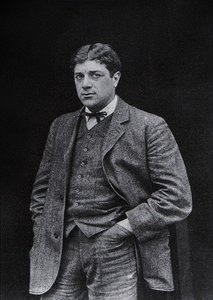
      브라크

      브라크

      1882 - 1963 , 프랑스

      작가 정보 요약

      • Artistic Movement Or Style: 큐비즘과 푸비즘
      • Artists Who Influenced This Artist:
        • 앙드레 드랭
        • 파블로 피카소
      • Date Of Birth: 1882년 5월 13일
      • Date Of Death: 1963년 8월 31일 파리 프랑스
      • Full Name: Georges Braque
      • Nationality: 프랑스 국적
      • Notable Artworks:
        • 하우스 어트 라 스테크
        • 패시언스
        • 바이올린과 팔레트
      • Place Of Birth: 아르젠트외 프랑스
      테마, 스타일, 특징별로 큐레이션된 작품들을 만나보세요.