

Acrylic On Canvas.

§ 1카탈로그 정보

본 작품은 저작권법의 보호를 받습니다.
이 페이지에 표시된 작품은 저작권법의 보호를 받으며, 이에 따라 동일한 복제품을 제작하거나 판매하는 것은 법으로 금지되어 있습니다. 이러한 권리 보호는 다음과 같은 국제 협약에 따라 시행됩니다. 베른 협약 또한 다음에서 명시하는 법률을 포함한 국내법에 의해 보호됩니다. 미국 저작권법 제17조.
저희는 존중을 담은 합법적인 대안으로서, 원작에서 영감을 받은 맞춤형 수제 유화 작품을 제공합니다. 저희의 숙련된 전문 화가들은 원작의 스타일, 분위기, 예술적 정수를 면밀히 연구하여, 그 자체로 독창적인 창작물이면서도 원작과 동일한 감동을 불러일으키는 새로운 작품을 만들어냅니다.
이 방식은 저작권 보호를 받는 예술 작품을 복제하거나 그대로 재현하는 것이 아니기에 저작권 규정을 완벽히 준수합니다. 대신, 이는 창의적인 재해석의 과정을 거칩니다. 즉, 원작에서 영감을 받되 원작과 동일하지 않은 새로운 회화 작품을 의미합니다.
 더 알아보기
§ 2추상
수집품 상세 설명
Explore Georges Braque’s iconic Cubist still life, 'Still-Life with Cheese.' A dynamic composition of fragmented forms & geometric shapes in shades of gray. Discover Picasso's masterpiece!
§ 3해설
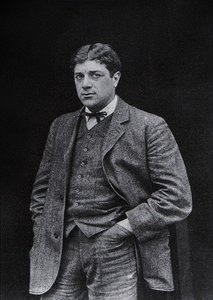
Georges Braque: A Pioneer of Cubism and Beyond
Georges Braque (1882-1963) stands as one of the titans of 20th-century art, inextricably linked to Pablo Picasso in the genesis of Cubism—a movement that irrevocably altered artistic perception and challenged traditional representational conventions. Born in Argenteuil, France, Braque’s formative years were steeped in the traditions of his family’s profession as house painters and decorators, fostering an early appreciation for form and structure that would profoundly influence his artistic trajectory. This grounding in craftsmanship combined with rigorous academic training at the École des Beaux-Arts in Le Havre provided him with a formidable intellectual arsenal as he embarked on his journey toward artistic innovation.- Early Influences: Braque’s initial explorations encompassed landscapes and Impressionistic techniques, mirroring the stylistic currents of his time. However, it was his encounter with Cézanne—particularly Cézanne's masterful manipulation of perspective and spatial relationships—that ignited a transformative impulse. Cézanne’s insistence on depicting objects from multiple viewpoints served as a crucial catalyst for Braque’s conceptual breakthrough.
- The Birth of Cubism: Alongside Picasso, Braque spearheaded the development of Analytical Cubism (1908-1912), characterized by fragmentation and geometric simplification—a radical departure from naturalistic depiction. The iconic *Houses at L'Estaque* exemplifies this approach, presenting a fractured vista of Provençal architecture dissected into interlocking planes of color and gray.
- Synthetic Cubism (1912-1914): Braque’s artistic vision expanded beyond mere geometric abstraction with Synthetic Cubism, incorporating collage elements—primarily newspaper fragments—to enrich the textural dimension of his canvases. This technique signaled a move toward exploring new expressive possibilities and blurring the boundaries between painting and sculpture.
Teapot and Fruit: A Study in Tactile Space
“The hard-and-fast rules of perspective … were a ghastly mistake which…has taken four centuries to redress,” Braque famously declared in 1957, encapsulating his unwavering commitment to dismantling established artistic dogma. *Teapot and Fruit*, created around 1950, embodies this ethos—a masterful distillation of Braque’s mature style that prioritizes tactile experience over illusionistic representation. Unlike the fractured planes of Analytical Cubism, this still life eschews geometric fragmentation in favor of a more organic approach.- Color Palette and Composition: The painting utilizes an earthy color palette—greens, greys, blacks, browns, and yellows—creating a harmonious interplay of hues that subtly guides the viewer’s gaze. Braque skillfully employs color contrast to heighten visual impact, as exemplified by the vibrant green grapes juxtaposed against the monochrome surface of the tabletop.
- Spatial Depth: The composition establishes a distinct foreground and background, emphasizing the materiality of the objects depicted—particularly the textured surface of the table—which invites contemplation on the interplay between volume and color. Braque’s deliberate positioning of the teapot and fruit contributes to an elevated vantage point, fostering a sense of intimacy and immediacy.
- Symbolism: The inclusion of simple everyday items—the teapot, grapes, bowl—reflects Braque's fascination with capturing the essence of bourgeois life and conveying a profound appreciation for beauty found in the commonplace. These objects serve as conduits for exploring themes of stillness, contemplation, and sensory experience—values central to Braque’s artistic philosophy.
Legacy and Influence
Georges Braque's contribution to modern art transcends stylistic innovation; he fundamentally reshaped our understanding of visual perception. His pioneering exploration of collage and his unwavering dedication to challenging conventional perspectival conventions paved the way for subsequent generations of artists—including Picasso, Matisse, Warhol, and countless others—who embraced experimental techniques and interrogated established artistic hierarchies. Braque’s enduring legacy resides not merely in his iconic artworks but also in his profound influence on the trajectory of art history itself—a testament to his genius as a visionary artist and intellectual provocateur.질의응답
브라크의 "Teapot and Fruit"의 색채는 얼마나 강렬한가요?
"Teapot and Fruit"의 색채 강도는 Monochromatic입니다. 강도는 색상이 얼마나 선명하게 느껴지는지를 나타냅니다.
브라크의 "Teapot and Fruit"은(는) 어떤 미술 사조에 속하나요?
브라크의 "Teapot and Fruit"과(와) 관련된 미술 사조는 Cubist Still Life입니다. 이러한 분류를 통해 해당 작품을 관련 작가 및 예술 작품들과 함께 파악할 수 있습니다.
브라크의 "Teapot and Fruit"은 강렬한 대비를 사용하나요, 아니면 부드러운 조화를 이루고 있나요?
"Teapot and Fruit"에서는 Statement 대비와 Unified Palette 조화가 어우러져 있습니다.


 프린트 판매로 전환


 가로 또는 세로 중 어느 한 면이라도 105cm(약 41인치)를 초과하는 작품이나 복제화의 경우, 프레임은 분해된 키트 형태로 배송됩니다. 이는 안전한 배송을 보장하고 운송 중 발생할 수 있는 손상을 방지하기 위함입니다.


