


 실제 크기로 보기
 보내기
보내기 공유하기
공유하기
 상세 보기
상세 보기 가이드 보기

 이미지 다운로드
 유사 작품 더 보기
 X-레이
X-레이 슬라이드 쇼 보기
 Q&A
Q&A 통계 정보
통계 정보untitled (3736)


 상세 보기
상세 보기
이 페이지에 표시된 작품은 저작권법의 보호를 받으며, 이에 따라 동일한 복제품을 제작하거나 판매하는 것은 법으로 금지되어 있습니다. 이러한 권리 보호는 다음과 같은 국제 협약에 따라 시행됩니다. 베른 협약 또한 다음에서 명시하는 법률을 포함한 국내법에 의해 보호됩니다. 미국 저작권법 제17조.
이 방식은 저작권 보호를 받는 예술 작품을 복제하거나 그대로 재현하는 것이 아니기에 저작권 규정을 완벽히 준수합니다. 대신, 이는 창의적인 재해석의 과정을 거칩니다. 즉, 원작에서 영감을 받되 원작과 동일하지 않은 새로운 회화 작품을 의미합니다.
지클레 / 아트 프린트
빠른 제작과 다양한 마감 옵션을 선택할 수 있는 박물관 수준의 지클레이 및 캔버스 프린트. ( 수작업 채색 복제본 주문하기 디지털 이미지 판매 채널로 전환)




P118B ₩10

P118H ₩10

P118W ₩10

P438Z ₩10

P508JH ₩12

P508YH ₩12

P805H ₩10

P805Z ₩10

P919BZ ₩10

P919G ₩10

P919XJ ₩10

P959ZH ₩10

P968JZ ₩12

W106C ₩8

W218G ₩10

W218JH ₩8

W218Y ₩10

W307PJ ₩10

W316G ₩10

W316PJ ₩8

W316Y ₩10

W398PJ ₩8

W4111J ₩10

W500HY ₩15

W500JH ₩15

W692G ₩12

W849H ₩8

W940BG ₩15

W953PJ ₩8




작품의 원본 비율을 그대로 유지하는 프리셋 사이즈 중에서 선택해 보세요.

액자나 벽면 크기에 맞춰 필요한 가로와 세로 길이를 입력해 주세요. 프린트는 원본 이미지보다 크게 제작할 수 없으며 오직 자르는 것만 가능하므로, 비율이 다른 사이즈를 선택할 경우 이미지의 일부가 잘려 나갈 수 있습니다. 인쇄 작업에 들어가기 전, 최종 확인을 위해 디지털 목업을 보내드립니다. 이 페이지에 표시된 이미지는 실제 잘리는 영역을 나타내지 않으며, 오직 목업을 통해서만 정확한 확인이 가능합니다.


 유리 옵션은 110cm 미만 크기에서만 선택 가능합니다.

untitled (3736)
지클레 / 아트 프린트
복제본 규격
-


총 결제 금액
₩ 86757
Georges Braque’s Enigmatic Figure: A Study in Fragmentation and Emotion
Georges Braque's "untitled (3736)" presents a captivating enigma, a portrait that transcends simple representation and plunges into the heart of early 20th-century artistic experimentation. This work, created around 1910 – a pivotal year for Braque’s development alongside Picasso – is not merely a depiction of a woman; it's an exploration of form, texture, and the very nature of seeing. The image depicts a figure adorned with a complex layering of painted elements: circles, geometric shapes, and fragmented patterns that seem to both cover and reveal her body. These aren’t decorative flourishes but rather integral components of a deliberate visual strategy, reflecting Braque's burgeoning interest in deconstructing traditional artistic conventions.
The painting’s foundation lies firmly within the nascent stages of Cubism, an art movement born from a desire to move beyond single-point perspective and capture multiple viewpoints simultaneously. Braque, alongside Picasso, was instrumental in pioneering this revolutionary approach. Here, we see echoes of that experimentation – the figure's body is broken down into geometric planes, suggesting a simultaneous view rather than a singular one. The deliberate flattening of space, combined with the overlapping and interlocking shapes, creates an unsettling yet compelling sense of dynamism. It’s important to remember that Braque’s early Cubist works were deeply influenced by Paul Cézanne's emphasis on structure and geometric forms within nature; he sought to translate Cézanne’s principles into a purely abstract visual language.
The Language of Surface: Technique and Materiality
Braque’s technique in "untitled (3736)" is remarkably tactile. The application of paint is deliberately rough, with visible brushstrokes that contribute to the painting's overall sense of energy and movement. He employs a layering process – applying thin washes followed by thicker impasto – creating a rich surface texture that invites close examination. Notice how the painted elements aren’t seamlessly integrated; there are areas where the paint appears to be actively applied, almost as if the figure is being ‘painted’ onto herself. This technique speaks to Braque's fascination with materiality and his desire to explore the inherent qualities of paint itself.
The use of color is restrained – primarily muted earth tones punctuated by occasional bursts of brighter hues. This palette reinforces the painting’s sense of introspection and quiet contemplation, contrasting sharply with the vibrant palettes often associated with Fauvism, a movement Braque initially embraced. The deliberate choice of colors further emphasizes the fragmented nature of the image, suggesting that perception is inherently subjective and incomplete.
Symbolic Layers: Body, Artifice, and Identity
The most intriguing aspect of "untitled (3736)" lies in its symbolic layers. The figure’s body, covered in painted designs, blurs the boundaries between art and reality. Is she a self-portrait? A representation of an artist's creative process? Or perhaps a meditation on the role of the female form within the artistic realm? The circles and geometric shapes could be interpreted as symbols of wholeness, cycles, or even the fragmented nature of identity itself – themes that were increasingly explored by artists at the time.
Furthermore, the act of painting *on* the figure raises questions about agency and representation. The woman becomes both subject and object, her body transformed into a canvas for artistic expression. This blurring of boundaries reflects the broader anxieties and uncertainties of the early 20th century, a period marked by rapid social and technological change.
Emotional Resonance: A Portrait of Uncertainty
"untitled (3736)" is not a conventionally beautiful image; it’s unsettling, complex, and profoundly evocative. The figure's raised arms create a sense of yearning or perhaps defiance, while her enigmatic expression invites the viewer to project their own emotions and interpretations onto the scene. The painting captures a moment of intense introspection – a feeling of being both present and detached, grounded in reality yet adrift in a sea of possibilities.
Reproductions of this work offer a unique opportunity to engage with Braque’s groundbreaking artistic vision. AllPaintingsStore's hand-painted reproductions faithfully capture the texture, color, and emotional depth of the original, allowing you to experience the power of this enigmatic portrait firsthand. It is a piece that rewards repeated viewing, revealing new layers of meaning with each encounter.
질의응답
브라크의 "untitled (3736)"의 색감은 얼마나 강렬한가요?
브라크의 "untitled (3736)"은(는) Vivid 색채 강도를 보여줍니다.
Cubism 사조의 작품 "untitled (3736)"은 어떤 감정을 전달하나요?
"untitled (3736)"은 Cubism 운동 내에서 Reflective 정서를 담아내고 있습니다.
"untitled (3736)"의 화풍은 작가가 활동했던 시대와 어떤 연관이 있나요?
브라크의 "untitled (3736)"에서는 Cubism 사조와 근대 미술 시대가 만납니다.


작가 소개
Georges Braque (1882-1963): Cubism Pioneer & Fauvism Master
Georges Braque, geboren in Argenteuil, Frankreich, im Jahr 1882, begann eine Reise tief verwurzelt im sich entwickelnden Landschaftsbild der modernen Kunst. Seine Kindheit innerhalb einer Familie von Hausmalern und Dekorateuren vermittelte ihm nicht nur technische Meisterschaft über Materialien sondern auch eine frühe Wertschätzung für Form und Struktur. Obwohl er zunächst seinem Vater folgte dessen Beruf, führten seine natürlichen künstlerischen Neigungen ihn bald zu einer akademischen Ausbildung am École des Beaux-Arts in Le Havre ein und markierten damit den Beginn seiner Suche nach einem der bedeutendsten Maler des 20. Jahrhunderts.
Er zog 1902 nach Paris um und setzte sein Studium an der Académie Humbert fort indem er sich in der lebhaften künstlerischen Umgebung der Stadt umsuchte. Hier traf er Künstler wie Marie Laurencin und Francis Picabia und gründete Verbindungen, die seine frühe Entwicklung prägten. Seine ersten Arbeiten reflektierten die vorherrschenden Einflüsse von Impressionismus und Post-Impressionismus jedoch entzündete ein neues künstlerisches Ziel sein Begegnung mit der kraftvollen Farbe und Ausdruckskraft des Fauvismus im Jahr 1905.
Die Umarmung des Fauvismus und der Beginn Kubismus
Braques Übernahme von Fauvist Prinzipien – gekennzeichnet durch intensive, nicht natürliche Farbe und emotionale Darstellung – wird eindrucksvoll in Gemälden wie Die Geduld gezeigt. Diese Periode sah ihn bei Künstlern wie Henri Matisse und André Derain arbeiten indem er mit lebhaften Farbpaletten und vereinfachten Formen experimentierte. Braques Engagement mit Fauvismus war jedoch nicht nur imitativ sondern er infundierte es mit einer einzigartigen Sensibilität indem er die ungezügelte Ekstase der Bewegung mit einem ruhigeren analytischen Ansatz temperierte.
Ein Wendepunkt erreichte ihn 1907 durch seine Ausstellung zur Retrospektive Cézannes Arbeit. Cézannes Betonung geometrischer Formen und mehrfacher Perspektiven beeinflusste Braque tiefgreifend und stellte damit die Bühne für seine bahnbrechende Zusammenarbeit mit Pablo Picasso.
Gemeinsam entwickelten diese beiden künstlerischen Titanen eine Periode intensiver intellektueller Begegnung, die zur Geburt Kubismus führte – einer revolutionären Bewegung, die traditionelle Vorstellungen von Darstellung zerstörte und zwei Künstler zusammenarbeiteten um ein neues künstlerisches Ziel zu erreichen.
Er arbeitete mit Picasso zusammen und entwickelten Analytical Cubism indem sie Objekte in fragmentierte geometrische Formen zerteilten und mehrere Perspektiven gleichzeitig präsentierten. Werke wie Haus am Estaque zeigen diese frühe Phase und demonstrieren damit einen radikalen Bruch mit konventioneller Perspektive und Fokus auf die zugrunde liegende Struktur von Formen.
Seine Palette wurde bewusst gedämpft um Form über Farbe zu betonen und suchte nach einer Gesamtrepräsentation eines Objekts statt nur dessen Erscheinung. Diese frühe Entwicklung stellte einen wichtigen Wendepunkt dar indem er traditionelle Vorstellungen von Darstellung zerstörte und zwei Künstler zusammenarbeiteten um ein neues künstlerisches Ziel zu erreichen.
Die Begegnung mit Cézanne hatte tiefgreifende Auswirkungen auf Braque und setzte damit die Bühne für seine bahnbrechende Zusammenarbeit mit Pablo Picasso.
Innovation Durch Fragmentierung Und Collage
Die Zusammenarbeit zwischen Braque und Picasso setzte Grenzen der künstlerischen Ausdruckskraft fort indem sie Elemente klassischer Komposition und ein erneutes Interesse an Landschaftsbildern integrierten. Während er die geometrischen Einflüsse bewahrte, die seine frühe Arbeit definiert hatten entwickelte er einen nuancierteren kontemplativer Ansatz zum Malen.
Die Zusammenarbeit zwischen Braque und Picasso setzte Grenzen der künstlerischen Ausdruckskraft fort indem sie Elemente klassischer Komposition und ein erneutes Interesse an Landschaftsbildern integrierten. Während er die geometrischen Einflüsse bewahrte, die seine frühe Arbeit definiert hatten entwickelte er einen nuancierteren kontemplativer Ansatz zum Malen.
Die Zusammenarbeit zwischen Braque und Picasso setzte Grenzen der künstlerischen Ausdruckskraft fort indem sie Elemente klassischer Komposition und ein erneutes Interesse an Landschaftsbildern integrierten. Während er die geometrischen Einflüsse bewahrte, die seine frühe Arbeit definiert hatten entwickelte er einen nuancierteren kontemplativer Ansatz zum Malen.
Die Zusammenarbeit zwischen Braque und Picasso setzte Grenzen der künstlerischen Ausdruckskraft fort indem sie Elemente klassischer Komposition und ein erneutes Interesse an Landschaftsbildern integrierten. Während er die geometrischen Einflüsse bewahrte, die seine frühe Arbeit definiert hatten entwickelte er einen nuancierteren kontemplativer Ansatz zum Malen.
Die Zusammenarbeit zwischen Braque und Picasso setzte Grenzen der künstlerischen Ausdruckskraft fort indem sie Elemente klassischer Komposition und ein erneutes Interesse an Landschaftsbildern integrierten. Während er die geometrischen Einflüsse bewahrte, die seine frühe Arbeit definiert hatten entwickelte er einen nuancierteren kontemplativer Ansatz zum Malen.
Die Zusammenarbeit zwischen Braque und Picasso setzte Grenzen der künstlerischen Ausdruckskraft fort indem sie Elemente klassischer Komposition und ein erneutes Interesse an Landschaftsbildern integrierten. Während er die geometrischen Einflüsse bewahrte, die seine frühe Arbeit definiert hatten entwickelte er einen nuancierteren kontemplativer Ansatz zum Malen.
Die Zusammenarbeit zwischen Braque und Picasso setzte Grenzen der künstlerischen Ausdruckskraft fort indem sie Elemente klassischer Komposition und ein erneutes Interesse an Landschaftsbildern integrierten. Während er die geometrischen Einflüsse bewahrte, die seine frühe Arbeit definiert hatten entwickelte er einen nuancierteren kontemplativer Ansatz zum Malen.
Die Zusammenarbeit zwischen Braque und Picasso setzte Grenzen der künstlerischen Ausdruckskraft fort indem sie Elemente klassischer Komposition und ein erneutes Interesse an Landschaftsbildern integrierten. Während er die geometrischen Einflüsse bewahrte, die seine frühe Arbeit definiert hatten entwickelte er einen nuancierteren kontemplativer Ansatz zum Malen.
Die Zusammenarbeit zwischen Braque und Picasso setzte Grenzen der künstlerischen Ausdruckskraft fort indem sie Elemente klassischer Komposition und ein erneutes Interesse an Landschaftsbildern integrierten. Während er die geometrischen Einflüsse bewahrte, die seine frühe Arbeit definiert hatten entwickelte er einen nuancierteren kontemplativer Ansatz zum Malen.
Die Zusammenarbeit zwischen Braque und Picasso setzte Grenzen der künstlerischen Ausdruckskraft fort indem sie Elemente klassischer Komposition und ein erneutes Interesse an Landschaftsbildern integrierten. Während er die geometrischen Einflüsse bewahrte, die seine frühe Arbeit definiert hatten entwickelte er einen nuancierteren kontemplativer Ansatz zum Malen.
Die Zusammenarbeit zwischen Braque und Picasso setzte Grenzen der künstlerischen Ausdruckskraft fort indem sie Elemente klassischer Komposition und ein erneutes Interesse an Landschaftsbildern integrierten. Während er die geometrischen Einflüsse bewahrte, die seine frühe Arbeit definiert hatten entwickelte er einen nuancierteren kontemplativer Ansatz zum Malen.
Die Zusammenarbeit zwischen Braque und Picasso setzte Grenzen der künstlerischen Ausdruckskraft fort indem sie Elemente klassischer Komposition und ein erneutes Interesse an Landschaftsbildern integrierten. Während er die geometrischen Einflüsse bewahrte, die seine frühe Arbeit definiert hatten entwickelte er einen nuancierteren kontemplativer Ansatz zum Malen.
Die Zusammenarbeit zwischen Braque und Picasso setzte Grenzen der künstlerischen Ausdruckskraft fort indem sie Elemente klassischer Komposition und ein erneutes Interesse an Landschaftsbildern integrierten. Während er die geometrischen Einflüsse bewahrte, die seine frühe Arbeit definiert hatten entwickelte er einen nuancierteren kontemplativer Ansatz zum Malen.
Die Zusammenarbeit zwischen Braque und Picasso setzte Grenzen der künstlerischen Ausdruckskraft fort indem sie Elemente klassischer Komposition und ein erneutes Interesse an Landschaftsbildern integrierten. Während er die geometrischen Einflüsse bewahrte, die seine frühe Arbeit definiert hatten entwickelte er einen nuancierteren kontemplativer Ansatz zum Malen.
Die Zusammenarbeit zwischen Braque und Picasso setzte Grenzen der künstlerischen Ausdruckskraft fort indem sie Elemente klassischer Komposition und ein erneutes Interesse an Landschaftsbildern integrierten. Während er die geometrischen Einflüsse bewahrte, die seine frühe Arbeit definiert hatten entwickelte er einen nuancierteren kontemplativer Ansatz zum Malen.
Die Zusammenarbeit zwischen Braque und Picasso setzte Grenzen der künstlerischen Ausdruckskraft fort indem sie Elemente klassischer Komposition und ein erneutes Interesse an Landschaftsbildern integrierten. Während er die geometrischen Einflüsse bewahrte, die seine frühe Arbeit definiert hatten entwickelte er einen nuancierteren kontemplativer Ansatz zum Malen.
Die Zusammenarbeit zwischen Braque und Picasso setzte Grenzen der künstlerischen Ausdruckskraft fort
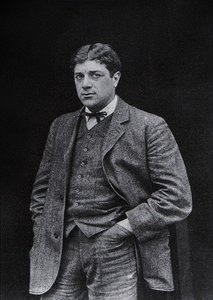
브라크
1882 - 1963 , 프랑스
작가 정보 요약
- Artistic Movement Or Style: 큐비즘과 푸비즘
- Artists Who Influenced This Artist:
- 앙드레 드랭
- 파블로 피카소
- Date Of Birth: 1882년 5월 13일
- Date Of Death: 1963년 8월 31일 파리 프랑스
- Full Name: Georges Braque
- Nationality: 프랑스 국적
- Notable Artworks:
- 하우스 어트 라 스테크
- 패시언스
- 바이올린과 팔레트
- Place Of Birth: 아르젠트외 프랑스
관련 기사

Synthetic Cubism Explained: A Professional Guide to Texture, Collage, and Geometric Abstraction for Modern Interior Design
Master the use of Synthetic Cubism in modern hospitality design. Our expert guide explores texture, collage, and geometric abstraction to help designers source premium, large-scale oil reproductions for hotels and corporate spaces with professional reliability.


