

Acrylic On Canvas.

§ 1Catalogue data

본 작품은 저작권법의 보호를 받습니다.
이 페이지에 표시된 작품은 저작권법의 보호를 받으며, 이에 따라 동일한 복제품을 제작하거나 판매하는 것은 법으로 금지되어 있습니다. 이러한 권리 보호는 다음과 같은 국제 협약에 따라 시행됩니다. 베른 협약 또한 다음에서 명시하는 법률을 포함한 국내법에 의해 보호됩니다. 미국 저작권법 제17조.
저희는 존중을 담은 합법적인 대안으로서, 원작에서 영감을 받은 맞춤형 수제 유화 작품을 제공합니다. 저희의 숙련된 전문 화가들은 원작의 스타일, 분위기, 예술적 정수를 면밀히 연구하여, 그 자체로 독창적인 창작물이면서도 원작과 동일한 감동을 불러일으키는 새로운 작품을 만들어냅니다.
이 방식은 저작권 보호를 받는 예술 작품을 복제하거나 그대로 재현하는 것이 아니기에 저작권 규정을 완벽히 준수합니다. 대신, 이는 창의적인 재해석의 과정을 거칩니다. 즉, 원작에서 영감을 받되 원작과 동일하지 않은 새로운 회화 작품을 의미합니다.
 상세 보기
상세 보기§ 2Abstract
컬렉션 상세 정보
작가 소개
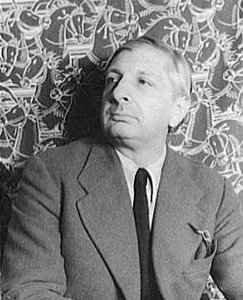
지오르조 드 치리코는 메타피스틱 아트의 선구자로서 꿈결 같은 도시 풍경과 철학적 주제를 담은 작품으로 유명합니다. 서양 미술사에서 중요한 위치를 차지하며 초현실주의 예술가들에게 영감을 불어넣었습니다.
§ 3Commentary
A Fragmented Reality: De Chirico’s ‘The Fall’ – An Exploration of Surrealist Vision
Giorgio de Chirico's “The Fall” stands as a cornerstone of Metaphysical Art, encapsulating the anxieties and intellectual explorations characteristic of its era. Painted around 1917-18, this enigmatic canvas transcends mere depiction; it plunges viewers into a dreamscape populated by unsettling juxtapositions and imbued with profound symbolic resonance. The artwork’s desolate landscape—a rocky outcrop bathed in muted sunlight—immediately establishes an atmosphere of isolation and unease, mirroring the philosophical preoccupations that fueled de Chirico's artistic endeavors.The Composition: A Disturbing Tableau
At first glance, “The Fall” presents a disconcerting scene: a group of figures clustered around a corpse-like man sprawled upon the ground. The positioning is deliberately jarring—the bodies are arranged in an unnatural manner, disrupting conventional spatial logic. Notably prominent is a solitary sword held aloft by one individual, symbolizing powerlessness and vulnerability against an unseen force. Furthermore, the inclusion of a horse – positioned on the right side – adds to the visual drama, representing primal instinct and perhaps hinting at a return to primordial origins. Two birds circling overhead contribute to the pervasive sense of disorientation, reinforcing the painting’s preoccupation with themes of mortality and transcendence.Style and Technique: Borrowing from Böcklin and Klinger
De Chirico's stylistic choices reflect his deep admiration for Arnold Böcklin and Max Klinger, artists who had profoundly impacted his artistic sensibilities. Like Böcklin’s landscapes—particularly “Alpine Scene”—“The Fall” employs a muted palette dominated by earthy tones, creating an ethereal yet melancholic mood. The artist skillfully utilizes chiaroscuro – dramatic contrasts between light and shadow – to heighten the sense of drama and emphasize the sculptural quality of the figures. De Chirico's meticulous attention to detail—particularly in rendering the textures of stone and flesh—demonstrates a commitment to realism tempered by an expressive impulse.Philosophical Undercurrents: Nietzsche’s Influence
The painting’s intellectual bedrock lies firmly within the philosophical ideas championed by Friedrich Nietzsche, Arthur Schopenhauer, and Otto Weininger. These thinkers questioned traditional notions of morality and rationality, advocating for a radical embrace of instinct and subjectivity. De Chirico's exploration of these concepts is evident in “The Fall”’s depiction of existential dread—the figures are confronted with the inescapable reality of death and decay, prompting contemplation on the meaninglessness of existence. The unsettling stillness of the scene underscores Nietzsche’s assertion that life itself is an illusion, a deceptive appearance concealing an underlying abyss.Symbolism: Ghosts of Antiquity
“The Fall” resonates powerfully with symbols drawn from classical antiquity—a deliberate reference to the myth of Persephone and Hades, representing descent into darkness and rebirth. The corpse-like man embodies vulnerability and mortality, serving as a visual reminder of human fragility. The horse symbolizes primal instinct and represents an escape from civilized constraints. Ultimately, De Chirico’s masterpiece invites viewers to confront uncomfortable truths about the human condition—a testament to his enduring legacy as one of the most influential artists of the early 20th century.질의응답
"The Fall"의 Neo-Baroque에는 어떤 국가적 배경이 담겨 있나요?
Neo-Baroque 양식의 작품 "The Fall"은 그리스에서 태어난 작가에 의해 제작되었습니다.
"The Fall"은(는) 지오르조 디 치리코의 다른 작품들과 어떤 공통점을 지니고 있나요?
"The Fall"은(는) 지오르조 디 치리코의 Neo-Baroque 시기 작품으로, 이 작가의 주요 주제로는 classical echoes & modern angst, existential dread & dreamscapes, philosophical vision & symbolism, de chirico’s surreal legacy, urban isolation & mortality 등이 있습니다.
Neo-Baroque 내에서 "The Fall"의 인지도는 어느 정도인가요?
Neo-Baroque 사조 내에서, "The Fall"은(는) Iconic 정도의 인지도를 보유하고 있습니다.


 프린트 판매로 전환


 가로 또는 세로 중 어느 한 면이라도 105cm(약 41인치)를 초과하는 작품이나 복제화의 경우, 프레임은 분해된 키트 형태로 배송됩니다. 이는 안전한 배송을 보장하고 운송 중 발생할 수 있는 손상을 방지하기 위함입니다.


