

Acrylic On Canvas.

§ 1카탈로그 정보


§ 2추상
수집품 상세 설명
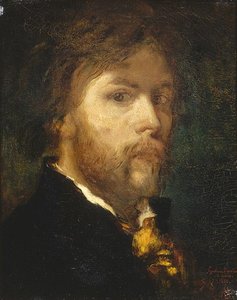
Gustave Moreau’s ‘Cleopatra’ unveils a mysterious Symbolist scene of a woman on a stone bench under the moonlight, evoking intrigue and dreamlike beauty from 19th-century Paris. Discover this captivating artwork and bring its timeless elegance into your space.
 더 보기
더 보기
§ 3해설
A Nocturne of Mystery: Exploring Gustave Moreau’s “Cleopatra”
Gustave Moreau's "Cleopatra," a captivating image of a woman seated upon a stone bench beneath the watchful gaze of the moon, is more than just a portrait; it’s an immersion into the dreamlike world of Symbolism. Painted during his prolific career (1826-1898), this work exemplifies Moreau's profound engagement with mythology, psychology, and the evocative power of suggestion. Born in Paris, Moreau rejected the naturalistic trends dominating 19th-century art, instead forging a unique path rooted in personal symbolism and an intense desire to tap into the subconscious.
- Subject & Composition: The central figure, identified as Cleopatra, is presented with her back turned to the viewer, immediately establishing a sense of detachment and mystery. Her posture – seated on a stone bench – evokes a classical Roman setting, subtly referencing the queen’s historical context while simultaneously elevating her to an almost mythical status.
- Atmosphere & Lighting: The nocturnal scene is dominated by a luminous moon, casting an ethereal glow that softens the forms and amplifies the painting's dreamlike quality. Moreau masterfully employs chiaroscuro – the dramatic contrast between light and dark – to create depth and focus attention on Cleopatra while enveloping the surrounding figures in shadow.
- Technique & Style: Moreau’s technique is characterized by meticulous detail, rich color palettes, and a deliberate avoidance of sharp outlines. He favored layering glazes of paint, building up complex textures and shimmering surfaces that contribute to the painting's opulent and slightly unsettling atmosphere. This approach aligns perfectly with the Symbolist movement’s emphasis on emotional expression over realistic representation.
Symbolism and Mythological Allusion
Moreau’s “Cleopatra” is saturated with symbolic meaning, drawing heavily from classical mythology and esoteric traditions. The presence of other figures – some seated, others standing – suggests a courtly scene, perhaps hinting at the queen's political power and influence. The bird in the upper right corner could represent prophecy or divine intervention, further reinforcing the painting’s mystical undertones. Cleopatra herself embodies a complex blend of beauty, intelligence, and tragedy—a potent symbol of female power and vulnerability.
The setting itself – a stone bench beneath a moonlit sky – is laden with significance. Stone represents permanence and timelessness, while the moon symbolizes mystery, intuition, and the subconscious mind. Moreau’s deliberate use of these elements elevates Cleopatra beyond a mere historical figure; she becomes an archetype, a representation of universal human experiences.
Historical Context & The Symbolist Movement
Painted during the late 19th century, “Cleopatra” reflects the broader artistic and intellectual currents of its time. Moreau was a key figure in the Symbolist movement, which emerged as a reaction against Realism and Impressionism. Symbolists sought to express subjective emotions and ideas through symbolic imagery rather than direct representation. They were influenced by Romanticism, mysticism, and occultism, exploring themes of dreams, mythology, and the darker aspects of human psychology.
Moreau’s work aligns with this movement's core tenets, prioritizing emotional impact and psychological depth over objective observation. His meticulous attention to detail and his use of rich color palettes were hallmarks of Symbolist painting, contributing to its enduring appeal and influence on subsequent generations of artists.
Emotional Impact & Artistic Value
"Cleopatra" possesses a haunting beauty that continues to captivate viewers today. Moreau’s masterful manipulation of light and shadow, combined with his evocative use of symbolism, creates an atmosphere of profound mystery and intrigue. This painting is not merely a depiction of a historical figure; it's a window into the artist's soul, a testament to his ability to translate subjective emotions and spiritual yearnings into a visually stunning work of art. A hand-painted reproduction offers a unique opportunity to experience the full impact of Moreau’s vision, bringing this enigmatic masterpiece into your home or studio.
질의응답
거스타브 모로아의 "cleopatre" 이미지는 어디에서 다운로드할 수 있나요?
거스타브 모로아의 "cleopatre"은(는) 고해상도 디지털 이미지 다운로드로 이용 가능하며, 작품의 디지털 이미지 다운로드 페이지에서 다운로드할 수 있습니다.
학생들을 위한 거스타브 모로아의 "cleopatre" 관련 팩트시트가 있나요?
거스타브 모로아의 "cleopatre"의 학습 가이드 페이지에서는 인쇄 가능한 두 장 분량의 학습용 팩트시트를 제공합니다. 여기에는 작품과 상세 정보표, 작가의 생애 속 시기를 보여주는 연대기, 해당 작가의 다른 작품들, 추출된 컬러 팔레트, 그리고 네 가지 스타일로 바로 복사하여 사용할 수 있는 인용 문구가 포함되어 있습니다.
거스타브 모로아의 "cleopatre"에서 예술 사조와 시대상은 어떻게 맞닿아 있나요?
거스타브 모로아의 "cleopatre"은(는) Symbolist Painting 사조와 19세기 미술 시대의 만남을 보여줍니다.


 프린트 판매로 전환


 가로 또는 세로 중 어느 한 면이라도 105cm(약 41인치)를 초과하는 작품이나 복제화의 경우, 프레임은 분해된 키트 형태로 배송됩니다. 이는 안전한 배송을 보장하고 운송 중 발생할 수 있는 손상을 방지하기 위함입니다.


