

Acrylic On Canvas.

§ 1Catalogue data

§ 2Abstract
컬렉션 상세 정보
 상세 보기
상세 보기
작가 소개
보스흐는 초현실주의와 상징으로 유명한 네덜란드 레네상스 화가입니다. 그의 대표작인 지옥의 정원과 마지막 심판 트리пти히는 예술 역사에 깊은 영감을 불어넣으며 독특하고 기묘한 비전을 선보였습니다.
§ 3Commentary
A Vision of Suffering and Divine Judgment
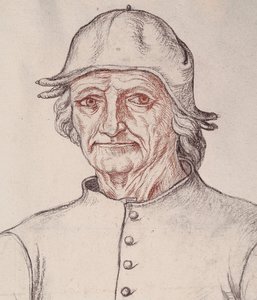
Hieronymus Bosch’s “Cripples” stands as a chilling testament to the anxieties of the Northern Renaissance, capturing not merely physical deformity but a profound psychological unease. Painted around 1500, this enigmatic triptych—a monumental work measuring approximately 31.4 × 21 cm (12.3 × 8.3 inches)—immediately confronts the viewer with an unsettling panorama of grotesque figures engaged in bizarre activities within a meticulously crafted architectural setting.
Bosch’s artistic genius resided in his ability to fuse religious allegory with fantastical imagery, creating scenes that simultaneously depict earthly suffering and foreshadow divine retribution. The composition is dominated by rows of crippled individuals—men, women, and children—each bearing visible signs of injury or disability. These figures are not merely presented as victims of misfortune; they embody a broader critique of human weakness and vulnerability in the face of God’s judgment.
Technical Mastery: Line and Texture
The painting's remarkable detail is achieved through masterful draughtsmanship utilizing ink and pen on paper—a technique characteristic of Bosch’s workshop. Lines are employed with astonishing precision, establishing a grid-like structure that lends order to the chaotic scene while simultaneously emphasizing the contours of each figure. Crosshatching creates rich textures, conveying the roughness of clothing and skin, adding depth and visual interest.
Bosch's meticulous attention to detail extends beyond mere representation; it serves as a conduit for conveying emotion. The muted palette—primarily browns, ochres, and blacks—contributes to an atmosphere of gloom and despair. Light is diffused, lacking any dramatic highlights, reinforcing the painting’s solemn mood.
Symbolism and Interpretation
“Cripples” overflows with symbolic references rooted in medieval Christian thought. The crippled figures represent humanity's fallen state—burdened by sin and destined for eternal punishment. Their postures convey helplessness and despair, mirroring the theological concept of purgatory—a realm of purification where souls endure torment before entering heaven.
Furthermore, Bosch’s depiction of fantastical creatures—winged demons, grotesque animals—underscores the pervasive influence of folklore and superstition during his time. These elements serve as reminders that earthly existence is fraught with peril and that salvation requires unwavering faith. The painting's unsettling imagery continues to fascinate scholars and artists alike, prompting ongoing debate about its precise meaning and enduring legacy.
A Legacy of Horror
“Cripples” remains one of Bosch’s most arresting works—a haunting portrayal of human suffering and divine judgment that transcends its historical context. Its meticulous technique, combined with its profound symbolic content, secures its place as a cornerstone of Northern Renaissance art and a timeless exploration of the darker recesses of the human psyche.
질의응답
"Cripples"의 Northern Renaissance에는 어떤 국가적 배경이 담겨 있나요?
"Cripples"은 네덜란드 출신의 헤라클레스 보스흐가 Northern Renaissance 운동의 흐름 속에서 제작한 작품입니다. 작가의 출신 배경은 이 작품을 네덜란드 예술가들이 선보인 Northern Renaissance 양식과 연결해 줍니다.
"Cripples"은(는) 무엇을 담고 있으며, 어떤 분위기를 자아내나요?
"Cripples"은(는) medieval, disability, symbolism, surrealism, religious allegory, detail, line drawing을(를) 보여주며, 기록된 분위기는 Dramatic입니다.
헤라클레스 보스흐의 "Cripples"은 어떤 사조와 시대에 속하나요?
헤라클레스 보스흐의 "Cripples"에서는 Northern Renaissance 사조와 르네상스 시대가 만납니다.


 프린트 판매로 전환


 가로 또는 세로 중 어느 한 면이라도 105cm(약 41인치)를 초과하는 작품이나 복제화의 경우, 프레임은 분해된 키트 형태로 배송됩니다. 이는 안전한 배송을 보장하고 운송 중 발생할 수 있는 손상을 방지하기 위함입니다.


