


 보내기
보내기 공유하기
공유하기
 상세 보기
상세 보기 가이드 보기

 이미지 다운로드
 유사 작품 더 보기
 슬라이드 쇼 보기
 Q&A
Q&A 통계 정보
통계 정보Caprice (sketch)


 상세 보기
상세 보기
지클레 / 아트 프린트
빠른 제작과 다양한 마감 옵션을 선택할 수 있는 박물관 수준의 지클레이 및 캔버스 프린트. ( 수작업 채색 복제본 주문하기 디지털 이미지 판매 채널로 전환)




































작품의 원본 비율을 그대로 유지하는 프리셋 사이즈 중에서 선택해 보세요.

액자나 벽면 크기에 맞춰 필요한 가로와 세로 길이를 입력해 주세요. 프린트는 원본 이미지보다 크게 제작할 수 없으며 오직 자르는 것만 가능하므로, 비율이 다른 사이즈를 선택할 경우 이미지의 일부가 잘려 나갈 수 있습니다. 인쇄 작업에 들어가기 전, 최종 확인을 위해 디지털 목업을 보내드립니다. 이 페이지에 표시된 이미지는 실제 잘리는 영역을 나타내지 않으며, 오직 목업을 통해서만 정확한 확인이 가능합니다.


 유리 옵션은 110cm 미만 크기에서만 선택 가능합니다.

Caprice (sketch)
지클레 / 아트 프린트
복제본 규격
-


총 결제 금액
₩ 86311
A Descent into Shadow and Spectacle: James Ensor’s “Caprice”
James Ensor's "Caprice," a sketch rendered in stark black and white, is not merely a depiction of a scene; it’s an immersion into the unsettling heart of human experience. Created around 1890, this work exemplifies Ensor’s signature style – a potent blend of Symbolism, Expressionism, and a deeply rooted fascination with the grotesque and the macabre. The image presents a dramatic tableau: a colossal bird, seemingly an angel yet radiating an unnerving presence, dominates the composition, casting its shadow over a group of figures rendered as skeletal or ghostly forms. This isn’t a comforting vision of salvation; instead, it's a chilling meditation on suffering, mortality, and the anxieties simmering beneath the surface of contemporary society.
Ensor’s artistic journey was profoundly shaped by his upbringing in Ostend, Belgium – a vibrant seaside resort town brimming with carnival traditions. His family operated a souvenir shop overflowing with masks, costumes, and exotic objects, providing him with an unparalleled visual vocabulary. This early exposure to the theatricality of life, particularly the elaborate rituals surrounding Mardi Gras, became a recurring theme in his work, informing his use of disguise, symbolism, and a deliberate blurring of reality and illusion. “Caprice,” like much of Ensor’s oeuvre, draws heavily on this carnival imagery, injecting it with a distinctly unsettling atmosphere.
The Anatomy of Unease: Style and Technique
The monochrome palette of "Caprice" immediately establishes a mood of somber intensity. Ensor masterfully employs hatching and cross-hatching to build form and texture, creating a sense of depth and volume despite the absence of color. The bird itself is rendered with meticulous detail – its wings spread wide, almost aggressively so – drawing the viewer’s eye and anchoring the composition. Notice how he uses varying line weights to suggest movement and emotion; the skeletal figures seem to writhe in silent agony, while the bird exudes a quiet authority.
Crucially, Ensor abandons traditional perspective and realistic representation. Instead, he employs a flattened picture plane, compressing space and intensifying the claustrophobic feeling of the scene. This deliberate distortion contributes to the painting’s unsettling effect, forcing the viewer to confront the uncomfortable realities it depicts. The figures are densely packed together, almost suffocating one another, mirroring the anxieties of a rapidly changing society.
Symbolism and Interpretation: Angels and Anguish
The central figure of the bird is particularly complex. While often interpreted as an angel, Ensor subverts this traditional symbolism. The bird’s imposing size and its shadowed presence suggest not benevolence but rather a force of judgment or perhaps even predation. Its wings, spread wide, could represent both ascension and entrapment – a suggestion that salvation may be elusive or even illusory.
The skeletal figures surrounding the bird are undoubtedly representations of human suffering and death. Their pallid skin tones and vacant stares evoke a sense of profound loss and despair. Ensor’s use of masks, prevalent throughout his work, further obscures their identities, transforming them into archetypal symbols of mortality. The sheer number of these figures – at least twelve visible in the sketch – underscores the pervasive nature of suffering within society.
A Legacy of Discomfort: Context and Influence
"Caprice" is a pivotal work in Ensor’s artistic development, reflecting his growing disillusionment with societal norms and his willingness to confront uncomfortable truths. As documented by research from Wake Forest University's Print Collection (https://users.wfu.edu/martine/pcweb15/pc-ensor.html), Ensor’s work was often met with resistance due to its provocative subject matter and unconventional style. He deliberately challenged conventional artistic practices, paving the way for later Expressionist artists.
The Getty Exhibition “The Scandalous Art of James Ensor” (https://www.getty.edu/art/collection/exhibition/103PRP) highlights how Ensor’s work was initially perceived as shocking and unsettling, yet ultimately recognized for its profound psychological insight and artistic innovation. Reproductions of "Caprice," available through AllPaintingsStore.com, offer a powerful opportunity to experience the full impact of this haunting masterpiece – a testament to James Ensor's enduring legacy as one of the most original and challenging artists of the late 19th century.
질의응답
"Caprice (sketch)"의 뒤에 숨겨진 예술가와 화풍은 무엇인가요?
제임스 엔서은(는) Expressionism & Surrealism 운동의 흐름 속에서 "Caprice (sketch)"을(를) 제작했습니다.
Expressionism & Surrealism 내에서 "Caprice (sketch)"의 인지도는 어느 정도인가요?
카탈로그 내 Expressionism & Surrealism 작품들 중 "Caprice (sketch)"은(는) Recognized로 기록되어 있습니다.
제임스 엔서의 "Caprice (sketch)"은 어떤 종류의 작품인가요?
제임스 엔서의 "Caprice (sketch)"은(는) Digital로 분류됩니다. 이 카테고리는 원작이 어떤 종류의 예술 작품인지를 설명합니다.
관련 작품들


작가 소개
James Ensor: A Pioneer of Expressionism and Surrealism
James Sidney Edouard, Baron Ensor (Ostend, 13 April 1860 – 19 November 1949) was a Belgian painter and printmaker who stands as one of the most influential figures in the development of Expressionism and Surrealism. Born into an English father and Belgian mother amidst the vibrant atmosphere of Ostend’s annual Carnival—a formative experience that profoundly shaped his artistic vision—Ensor embarked on a lifelong journey to explore the darker recesses of human psychology and challenge conventional aesthetic standards.
Early Influences and Artistic Training
From a young age, Ensor demonstrated an innate talent for drawing and painting, nurtured by local instructors and fueled by an unwavering fascination with observation. His formative years were spent studying at the College of the Blessed Virgin in Ostend, where he honed his skills alongside fellow artists like Fernand Khnopff and Theo Van Rysselberghe—artists who would later become associated with the influential *Les XX* group.
The Shift Towards Grotesque Expressionism
Ensor’s artistic trajectory took a decisive turn in the late 1880s as he abandoned academic realism for a bold embrace of grotesque expressionism. Influenced by Rembrandt, Francisco Goya, and Japanese woodcuts—artists who championed emotional intensity and unsettling imagery—he began to populate his canvases with disturbing tableaux featuring skeletons battling over a hanged man, masks embodying hidden identities, and allegorical figures confronting existential anxieties.
Key Masterpieces and Recurring Themes
Among Ensor’s most celebrated works are *The Scandalized Masks* (1883), which captures the pervasive influence of disguise and social critique; *Skeletons Fighting over a Hanged Man* (1891), a haunting meditation on mortality and decay; and *Christ's Entry into Brussels* (1888–89)—a monumental painting that satirizes religious hypocrisy with unflinching boldness. Recurring throughout Ensor’s oeuvre are explorations of death, social injustice, psychological torment, and the boundless potential for imaginative distortion—themes that continue to resonate powerfully with audiences today.
A Legacy Beyond Style: Influence on Modern Art
James Ensor's uncompromising artistic vision irrevocably altered the course of modern art. Rejecting academic conventions and embracing subjective experience, he paved the way for subsequent generations of artists who dared to confront uncomfortable truths and challenge established norms. His pioneering use of grotesque imagery—coupled with his masterful manipulation of color and line—established a distinctive stylistic vocabulary that profoundly impacted Expressionist painters like Edvard Munch and Ernst Ludwig Kirchner—artists who similarly sought to convey inner turmoil and psychological complexity.
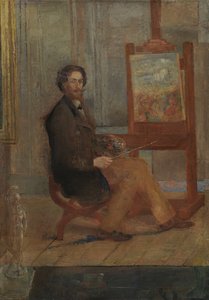
제임스 엔서
1860 - 1949 , 벨기에
작가 정보 요약
- Artistic Movement Or Style: Expressionism 및 Surrealism
- Artists Who Influenced This Artist:
- 피터 브뤼겔 더 엘더
- 프란시스코 고야
- 윌스 스미스 휘슬러
- Date Of Birth: April 13, 1860
- Date Of Death: November 19, 1949
- Full Name: James Sidney Edouard Ensor
- Nationality: Belgian
- Notable Artworks:
- The Scandalized Masks
- Skeletons Fighting...
- Christ's Entry into Brussels
- Place Of Birth: Ostend, Belgium
관련 기사
Unveiling the Mystery: A Journey Through the World's Most Iconic Mask Artworks
Embark on a profound journey through the world's most iconic mask artworks. Explore the spiritual depth, intricate craftsmanship, and rich cultural heritage of global traditions, from Chhau to Gomira, in this expert-led exploration of ancestral artistry and symbolic beauty.

The Eloquent Line: Exploring the Artistic Significance of Sketches Across Movements and Media
Explore the profound artistic significance of sketches throughout history. From Renaissance masters to modern innovators like Van Gogh & Guston, discover how these foundational works reveal technique, emotion, and vision. Learn more at AllPaintingsStore.

Masterpieces of the English Countryside: Top 25 Sir Alfred James Munnings Artworks
Explore 25 iconic Sir Alfred James Munnings masterpieces. Discover timeless equine art on AllPaintingsStore.com.
제임스 애벗 맥닐 휘슬러 최고 걸작 25선: 예술의 정수, 공간에 스며드는 아름다움
제임스 애벗 맥닐 휘슬러의 최고 걸작 25선을 만나보세요. 야간 풍경부터 아랑미술관 소장품까지, 예술가의 삶과 작품 세계를 탐험합니다. 색채와 분위기가 완벽한 조화를 이루는 그림들을 AllPaintingsStore.com에서 감상하고 특별한 공간을 완성하세요.

James Ensor's Grotesque Visions: Social Commentary & Artistic Innovation
Explore the unsettling yet captivating world of James Ensor, a pioneer of Expressionism. Discover his satirical masterpieces, symbolic imagery & lasting influence on modern art. High-quality reproductions available at AllPaintingsStore.


