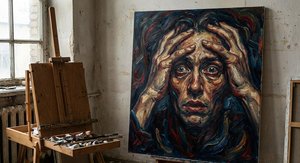
Acrylic On Canvas.

§ 1Catalogue data

§ 2Abstract
컬렉션 상세 정보
Explore James Ensor's unsettling masterpiece, 'Carnival in Flanders,' depicting a vibrant Belgian carnival scene with symbolic imagery and biting social commentary. Discover its influence on Expressionism & Surrealism.
 상세 보기
상세 보기
작가 소개
James Ensor는 표현주의와 초현실주의의 선구자였으며 그의 기괴하고 충격적인 작품들로 유명합니다. 가면 예술과 종교적 비판을 통해 인간 본성의 어두운 측면을 탐구하는 그의 독특한 스타일은 미술사에서 중요한 위치를 차지합니다.
§ 3Commentary
James Ensor’s Carnival in Flanders: A Symphony of Shadows and Spectacle
James Ensor's “Carnival in Flanders,” painted in 1931, isn’t merely a depiction of a Belgian fête; it’s a meticulously crafted psychological portrait rendered in oil on canvas—a testament to the artist’s unwavering fascination with unsettling imagery and social critique. Created during the height of Expressionism, this artwork transcends its surface appearance, inviting viewers into a darkly humorous contemplation of human behavior and societal anxieties.
- Subject Matter: The painting captures a vibrant carnival scene—a cacophony of figures jostling for position amidst elaborate decorations. Ensor eschews idealized beauty, presenting instead a raw portrayal of ordinary people engaged in revelry, albeit with an undercurrent of unease.
- Style & Technique: Ensor’s distinctive style is characterized by bold brushstrokes and jarring color palettes—a deliberate rejection of academic conventions. He employs thick impasto to create textural surfaces that amplify the emotional intensity of the scene, conveying a palpable sense of movement and disorientation.
- Historical Context: Painted in the wake of World War I, “Carnival in Flanders” reflects the pervasive disillusionment felt by many artists following the horrors of conflict. Ensor’s work aligns with the Expressionist impulse to confront uncomfortable truths about human nature and societal morality—a reaction against the optimism of preceding decades.
Symbolism & Emotional Impact: The central figure, holding an umbrella amidst a throng of others, embodies both vulnerability and defiance. Surrounding him are six umbrellas – a visual motif that Ensor frequently utilized to represent protection from external forces and the illusion of control. Notably, perched atop one of the figures is a bird—a symbol of freedom yet also of fragility, mirroring the precariousness of human existence within the spectacle of carnival.
Ensor’s masterful use of color contributes significantly to the artwork's emotional resonance. Dominant hues of crimson and ochre clash dramatically against muted browns and greens, creating a visual tension that mirrors the psychological turmoil depicted in the scene. The artist’s deliberate distortion of perspective further enhances this unsettling effect, immersing viewers in an atmosphere of disorientation and unease.
- Further Exploration: Consider Ensor's broader artistic oeuvre—particularly “The Laughing Cavalier” and “Night Café”—to appreciate the consistency of his stylistic vision and thematic concerns. These works share a similar preoccupation with grotesque imagery and psychological exploration, cementing Ensor’s legacy as one of the most influential artists of the early 20th century.
A reproduction of “Carnival in Flanders” offers an opportunity to engage with Ensor's profound artistic insights—a captivating glimpse into a world where joy masks despair and spectacle conceals unsettling truths. Its enduring power lies in its ability to provoke contemplation and challenge conventional perceptions of beauty and morality.
질의응답
제임스 엔서의 "Carnival in Flanders"은 어디에서 다운로드할 수 있나요?
"Carnival in Flanders"을(를) 다운로드하실 수 있습니다: 작품의 다운로드 페이지에서 고해상도 디지털 이미지 다운로드 이용이 가능합니다.
제임스 엔서의 "Carnival in Flanders"의 채도는 어느 정도인가요?
"Carnival in Flanders"의 색조는 채도가 Subtle Color입니다.
제임스 엔서의 다른 이름이나 별칭에는 무엇이 있나요?
제임스 엔서은(는) 제임스 시드니 에노르, 바론 제임스 엔서라는 다른 이름으로도 알려져 있습니다.


 프린트 판매로 전환


 가로 또는 세로 중 어느 한 면이라도 105cm(약 41인치)를 초과하는 작품이나 복제화의 경우, 프레임은 분해된 키트 형태로 배송됩니다. 이는 안전한 배송을 보장하고 운송 중 발생할 수 있는 손상을 방지하기 위함입니다.