


 실제 크기로 보기
 보내기
보내기 공유하기
공유하기
 상세 보기
상세 보기 가이드 보기

 이미지 다운로드
 유사 작품 더 보기
 X-레이
X-레이 슬라이드 쇼 보기
 Q&A
Q&A 통계 정보
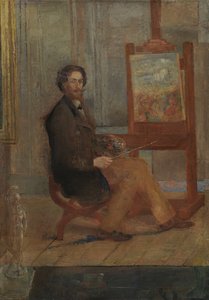
통계 정보Self-portrait

 상세 보기
상세 보기
지클레 / 아트 프린트
빠른 제작과 다양한 마감 옵션을 선택할 수 있는 박물관 수준의 지클레이 및 캔버스 프린트. ( 수작업 채색 복제본 주문하기 디지털 이미지 판매 채널로 전환)




P118B ₩10

P118H ₩10

P118W ₩10

P438Z ₩10

P508JH ₩12

P508YH ₩12

P805H ₩10

P805Z ₩10

P919BZ ₩10

P919G ₩10

P919XJ ₩10

P959ZH ₩10

P968JZ ₩12

W106C ₩8

W218G ₩10

W218JH ₩8

W218Y ₩10

W307PJ ₩10

W316G ₩10

W316PJ ₩8

W316Y ₩10

W398PJ ₩8

W4111J ₩10

W500HY ₩15

W500JH ₩15

W692G ₩12

W849H ₩8

W940BG ₩15

W953PJ ₩8




작품의 원본 비율을 그대로 유지하는 프리셋 사이즈 중에서 선택해 보세요.

액자나 벽면 크기에 맞춰 필요한 가로와 세로 길이를 입력해 주세요. 프린트는 원본 이미지보다 크게 제작할 수 없으며 오직 자르는 것만 가능하므로, 비율이 다른 사이즈를 선택할 경우 이미지의 일부가 잘려 나갈 수 있습니다. 인쇄 작업에 들어가기 전, 최종 확인을 위해 디지털 목업을 보내드립니다. 이 페이지에 표시된 이미지는 실제 잘리는 영역을 나타내지 않으며, 오직 목업을 통해서만 정확한 확인이 가능합니다.


 유리 옵션은 110cm 미만 크기에서만 선택 가능합니다.

Self-portrait
지클레 / 아트 프린트
복제본 규격
-


총 결제 금액
₩ 86757
James Ensor’s Self-Portrait: A Study in Psychological Intensity
- Subject Matter James Ensor's "Self-portrait," completed around 1888, depicts a solitary figure—the artist himself—seated at a desk. The pose is deliberately understated, conveying a sense of introspection and quiet contemplation rather than grand theatricality. This deliberate simplicity serves to heighten the psychological impact of the image.
- Style Ensor’s style aligns firmly with Symbolism, though it anticipates Expressionism's bolder explorations of emotion. He eschews naturalistic representation in favor of stylized forms and flattened perspectives—techniques characteristic of the movement’s rejection of Impressionist optical realism. The painting avoids idealized beauty, opting instead for a portrayal that captures the artist’s inner turmoil.
- Technique Ensor employed oil paint on canvas using a meticulous layering process. He meticulously blended colors to create subtle gradations and textures, emphasizing the materiality of the surface itself. This technique contributes to the painting's unsettling atmosphere—the muted palette and careful brushwork reinforce the sense of confinement and psychological unease.
- Historical Context Created during a period of significant artistic experimentation in Europe, “Self-portrait” reflects the broader Symbolist preoccupation with exploring inner states of mind and confronting anxieties about mortality. Ensor’s work responded to the intellectual currents of his time—particularly Nietzsche's philosophy of eternal recurrence—which questioned traditional notions of morality and purpose.
- Symbolism The desk itself is laden with symbolic significance, representing intellectuality and perhaps also isolation. The man’s gaze directs outwards but seems unfocused, hinting at a preoccupation with thoughts beyond immediate perception. Furthermore, the muted color scheme—primarily browns and greys—underscores the painting's melancholic mood and speaks to Ensor’s exploration of themes like decay and disillusionment.
Exploring Psychological Depth Through Flattened Perspective
Ensor deliberately rejects traditional perspective, flattening the pictorial space to create a claustrophobic effect. This technique isn't merely stylistic; it serves as a powerful tool for conveying psychological tension. By minimizing depth, Ensor forces the viewer’s eye inward, mirroring the artist’s own preoccupation with internal reflection and confronting uncomfortable truths. The absence of atmospheric haze—a hallmark of Impressionism—further enhances this sense of confinement.A Palette of Quiet Disquiet
The subdued color palette—dominated by earthy browns and muted greys—is crucial to the painting’s emotional resonance. Ensor eschews vibrant hues, opting for tones that evoke feelings of melancholy and introspection. This deliberate restraint contributes to the unsettling atmosphere, mirroring the artist's own anxieties about existence and confronting existential questions.Influence Beyond Symbolism
Despite its affiliation with Symbolism, “Self-portrait” anticipates the expressive tendencies of Expressionism. Ensor’s meticulous brushwork—characterized by visible strokes that convey texture and emotion—prefigures the bolder stylistic choices championed by artists like Edvard Munch and Ernst Ludwig Kirchner. This influence extends beyond technique; Ensor's unflinching gaze at the viewer embodies a spirit of psychological honesty that would become central to Expressionist art.질의응답
"Self-portrait"은(는) 저작권 보호 대상이 아닌가요?
제임스 엔서의 "Self-portrait"은(는) 퍼블릭 도메인 - 저작권 보호 기간이 만료되었습니다 상태입니다. 이 상태에 따라 해당 작품 이미지의 복제 가능 여부가 결정됩니다.
"Self-portrait"은(는) 빛과 어둠의 균형을 어떻게 맞추고 있나요?
제임스 엔서의 "Self-portrait"의 밝기는 shadow로 기록되었으며, 휘도는 Soft Shadow입니다.
"Self-portrait"은(는) 제임스 엔서의 예술 활동기 중 어느 시기에 해당하나요?
"Self-portrait"은(는) 제임스 엔서의 예술적 생애 중 Mature Period 시기에 해당합니다. 이 분류는 해당 작품을 작가의 예술적 발전 과정과 연결해 줍니다.
관련 작품들


작가 소개
James Ensor: A Pioneer of Expressionism and Surrealism
James Sidney Edouard, Baron Ensor (Ostend, 13 April 1860 – 19 November 1949) was a Belgian painter and printmaker who stands as one of the most influential figures in the development of Expressionism and Surrealism. Born into an English father and Belgian mother amidst the vibrant atmosphere of Ostend’s annual Carnival—a formative experience that profoundly shaped his artistic vision—Ensor embarked on a lifelong journey to explore the darker recesses of human psychology and challenge conventional aesthetic standards.
Early Influences and Artistic Training
From a young age, Ensor demonstrated an innate talent for drawing and painting, nurtured by local instructors and fueled by an unwavering fascination with observation. His formative years were spent studying at the College of the Blessed Virgin in Ostend, where he honed his skills alongside fellow artists like Fernand Khnopff and Theo Van Rysselberghe—artists who would later become associated with the influential *Les XX* group.
The Shift Towards Grotesque Expressionism
Ensor’s artistic trajectory took a decisive turn in the late 1880s as he abandoned academic realism for a bold embrace of grotesque expressionism. Influenced by Rembrandt, Francisco Goya, and Japanese woodcuts—artists who championed emotional intensity and unsettling imagery—he began to populate his canvases with disturbing tableaux featuring skeletons battling over a hanged man, masks embodying hidden identities, and allegorical figures confronting existential anxieties.
Key Masterpieces and Recurring Themes
Among Ensor’s most celebrated works are *The Scandalized Masks* (1883), which captures the pervasive influence of disguise and social critique; *Skeletons Fighting over a Hanged Man* (1891), a haunting meditation on mortality and decay; and *Christ's Entry into Brussels* (1888–89)—a monumental painting that satirizes religious hypocrisy with unflinching boldness. Recurring throughout Ensor’s oeuvre are explorations of death, social injustice, psychological torment, and the boundless potential for imaginative distortion—themes that continue to resonate powerfully with audiences today.
A Legacy Beyond Style: Influence on Modern Art
James Ensor's uncompromising artistic vision irrevocably altered the course of modern art. Rejecting academic conventions and embracing subjective experience, he paved the way for subsequent generations of artists who dared to confront uncomfortable truths and challenge established norms. His pioneering use of grotesque imagery—coupled with his masterful manipulation of color and line—established a distinctive stylistic vocabulary that profoundly impacted Expressionist painters like Edvard Munch and Ernst Ludwig Kirchner—artists who similarly sought to convey inner turmoil and psychological complexity.
제임스 엔서
1860 - 1949 , 벨기에
작가 정보 요약
- Artistic Movement Or Style: Expressionism 및 Surrealism
- Artists Who Influenced This Artist:
- 피터 브뤼겔 더 엘더
- 프란시스코 고야
- 윌스 스미스 휘슬러
- Date Of Birth: April 13, 1860
- Date Of Death: November 19, 1949
- Full Name: James Sidney Edouard Ensor
- Nationality: Belgian
- Notable Artworks:
- The Scandalized Masks
- Skeletons Fighting...
- Christ's Entry into Brussels
- Place Of Birth: Ostend, Belgium
관련 기사

Timeless Contrast: A Professional Guide to Black and White Photography for Large-Scale Hotel Decor
A professional guide for hotel designers on utilizing black and white photography for large-scale decor. Learn to master scale, texture, and monochrome contrast to create impactful, high-end hospitality environments through efficient, bulk art procurement solutions.


