


 실제 크기로 보기
 보내기
보내기 공유하기
공유하기
 상세 보기
상세 보기 가이드 보기

 이미지 다운로드
 유사 작품 더 보기
 X-레이
X-레이 슬라이드 쇼 보기
 Q&A
Q&A 통계 정보
통계 정보Skeletons in the Studio


 상세 보기
상세 보기
웹 미리보기 화면을 훨씬 뛰어넘는 인쇄용 파일을 만나보세요. 저희가 판매하는 모든 디지털 이미지는 스톡 데이터베이스 내의 고해상도 마스터 파일(일반적으로 가로 5,000~15,000픽셀)을 기반으로 합니다. 따라서 대형 인쇄나 정밀한 크롭 작업 시에도 세밀한 디테일을 자신 있게 구현할 수 있습니다.
저희 스튜디오를 거치는 모든 파일은 정교한 손길을 거칩니다. 디지털 전문가가 원작과 대조하여 색상을 점검하고 필요 시 보정하며, 전문 리터칭 도구를 사용하여 선명도와 디테일을 높입니다. 이 과정에서 작가의 붓 터치와 화풍을 충실히 유지하는 것을 원칙으로 합니다. 그 결과, 단순한 스캔본에 필터를 입힌 듯한 느낌이 아닌, 마치 실제 회화 작품을 보는 듯한 이미지를 구현해냅니다.
최종 완료 전 확인 단계가 있습니다. 전문가가 검토하실 수 있도록 72시간 이내에 이메일로 이미지를 보내드립니다. 결과물이 만족스럽지 않으신가요? 수정이나 보완을 요청하시거나, 품질이 기대에 미치지 못할 경우 환불을 요청하실 수 있습니다.
출판사, 디자인 스튜디오, 갤러리 및 인쇄소가 신뢰하는 바로 그 품질입니다.
디지털 이미지
개인 소장 및 전시, 인쇄, 창작 프로젝트를 위한 고해상도 파일을 다운로드하세요. ( 프린트 판매로 전환 수작업 채색 복제본 주문하기)
모든 디지털 이미지 주문 시 제공되는 혜택
전문적인 디지털 이미지 전송 보장
AllPaintingsStore.com를 선택하시면 단순히 이미지를 받는 것을 넘어, 정밀한 보정 과정을 거쳐 완성된 전문적인 디지털 예술 작품을 만나보실 수 있습니다. 모든 작품에는 만족 보장 서비스가 함께 제공되며, 주문 시 다음과 같은 사항들이 자동으로 포함됩니다:

빠른 이메일 수령
주문 후 72시간 이내에 고해상도 디지털 이미지 파일이 이메일로 발송되며, 즉시 사용하실 수 있습니다.

AI 기술로 최적화된 디지털 파일
귀하의 작품은 고급 AI 기술과 정교한 수동 편집 과정을 거쳐 전문적으로 최적화되며, 이를 통해 디테일과 선명도, 색상의 정확도를 극대화합니다.

평생 무료 재전송 서비스
파일을 실수로 삭제하거나 분실하셨나요? 걱정 마세요. 언제든 무료로 다시 보내드립니다.

추가 수입 비용 없음 - 언제나
관세나 부가세, 배송비 부담 없이 작품을 즉시 소장하세요 - 디지털 다운로드는 언제나 면세 혜택이 적용됩니다.

정확한 색상 보장
전문적인 도구와 색상 관리 시스템을 통해 디지털 이미지가 원본의 색상을 최대한 정확하게 구현하도록 보장합니다.

100일 만족 보장제
구매하신 디지털 이미지에 만족하지 못하실 경우, 100일 이내에 별도의 조건 없이 수정 또는 100% 환불을 진행해 드립니다.

100% 환불 보장
만족스럽지 않으신가요? 디지털 파일을 받으신 후 100일 이내에 조건 없이 전액 환불해 드립니다.

대량 주문 할인
이미지 3매 구매 시 10% 할인 - 5매 구매 시 15% 할인 - 10매 이상 구매 시 20% 할인. 크리에이티브 프로젝트, 갤러리, 에이전시에 매우 유용합니다.
A Macabre Tableau: James Ensor’s *Skeletons in the Studio*
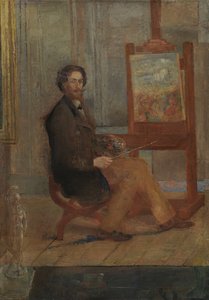
James Ensor's 1900 painting, *Skeletons in the Studio*, isn’t merely a depiction of decaying remains; it’s a profoundly unsettling exploration of mortality, memory, and the anxieties simmering beneath the surface of Victorian society. Housed within the National Gallery of Canada, this oil on canvas transcends simple morbidity, offering instead a glimpse into the artist's uniquely skewed perspective – one that simultaneously delights and disturbs. Ensor, a Belgian painter who deliberately pushed against academic conventions, created a world populated by masked figures, unsettling rituals, and a pervasive sense of unease, all hallmarks of his distinctive style.
The painting immediately draws the viewer into a dimly lit chamber, dominated by a starkly monochromatic palette. The absence of vibrant color amplifies the somber mood, creating an atmosphere thick with anticipation and dread. Notice how Ensor masterfully utilizes light – or rather, its deliberate lack – to sculpt the forms of the skeletons, furniture, and objects within the room. This isn’t a romanticized vision of death; it's a claustrophobic space where decay feels intensely present. The composition itself is carefully constructed: the skeletal figures are arranged in a seemingly chaotic manner, yet there’s an underlying order that suggests a staged performance, perhaps a macabre tableau vivant.
Decoding the Symbols and Allusions
The presence of skeletons, naturally, dominates the scene. However, they aren't simply lifeless remains; Ensor imbues them with a strange vitality. They’re engaged in an activity – a silent struggle, perhaps – that hints at a forgotten past or an unresolved conflict. The scattered objects—a dining table, chairs, a clock, and various decorative items—suggest a domestic setting abruptly interrupted by death. The clock, frozen at a specific time, adds another layer of temporal distortion, reinforcing the sense that time itself has ceased to operate within this space.
Crucially, Ensor’s use of masks is integral to understanding the painting's deeper meaning. The skeletons are not presented as unadorned bones but rather as figures wearing elaborate, theatrical masks – a direct reference to the carnival culture that so profoundly influenced his childhood in Ostend. These masks symbolize deception, hidden identities, and the performance of social roles. They suggest that beneath the veneer of respectability lies a darker, more primal reality.
Ensor’s Technique and Artistic Context
Ensor's technique is characterized by bold brushstrokes and an expressive use of color – though here, it’s largely restrained to shades of gray and black. He employs a flattened perspective, creating a sense of claustrophobia and intensifying the emotional impact of the scene. His style anticipates elements of Expressionism and Surrealism, foreshadowing movements that would emerge decades later. It's important to remember Ensor was working at a time when traditional artistic conventions were being challenged, and he embraced a highly personal and often unsettling vision.
Consider also the historical context: 1900 was a period of significant social and political upheaval in Europe. The rise of industrialization, urbanization, and anxieties about mortality were all contributing to a growing sense of unease. Ensor’s *Skeletons in the Studio* can be interpreted as a reflection of these broader societal concerns – a visual meditation on death, decay, and the fragility of human existence. The painting invites us to confront our own fears about mortality and to question the masks we wear in everyday life.
Bringing *Skeletons in the Studio* Home
AllPaintingsStore offers meticulously crafted, hand-painted reproductions of James Ensor’s *Skeletons in the Studio*, allowing you to experience this iconic artwork firsthand. Each reproduction is created by skilled artists using traditional oil painting techniques, ensuring a faithful and vibrant representation of Ensor's original vision. Whether displayed in your home or office, this stunning piece will undoubtedly spark conversation and evoke a powerful emotional response. Explore our collection today at AllPaintingsStore.com – and discover the enduring power of James Ensor’s unsettling masterpiece.
질의응답
"Skeletons in the Studio"은 언제, 어떤 재료로 제작되었나요?
제임스 엔서의 "Skeletons in the Studio"의 재료는 Oil On Canvas이며, 제작 연도는 1900년입니다.
제임스 엔서의 "Skeletons in the Studio"의 수작업 복제화를 어디에서 구매할 수 있나요?
제임스 엔서의 "Skeletons in the Studio"의 수작업 복제화는 주문 제작 방식으로 수작업 유화 복제화 페이지에서 직접 주문하실 수 있습니다: 리넨 캔버스 위에 손으로 직접 그린 유화 복제화
제임스 엔서의 "Skeletons in the Studio"은(는) Expressionist Surrealism 내에서 어떤 분위기를 자아내나요?
"Skeletons in the Studio"은 Expressionist Surrealism 운동 내에서 Melancholic 정서를 담아내고 있습니다.
관련 작품들


아티스트 프로필
James Ensor: A Pioneer of Expressionism and Surrealism
James Sidney Edouard, Baron Ensor (Ostend, 13 April 1860 – 19 November 1949) was a Belgian painter and printmaker who stands as one of the most influential figures in the development of Expressionism and Surrealism. Born into an English father and Belgian mother amidst the vibrant atmosphere of Ostend’s annual Carnival—a formative experience that profoundly shaped his artistic vision—Ensor embarked on a lifelong journey to explore the darker recesses of human psychology and challenge conventional aesthetic standards.
Early Influences and Artistic Training
From a young age, Ensor demonstrated an innate talent for drawing and painting, nurtured by local instructors and fueled by an unwavering fascination with observation. His formative years were spent studying at the College of the Blessed Virgin in Ostend, where he honed his skills alongside fellow artists like Fernand Khnopff and Theo Van Rysselberghe—artists who would later become associated with the influential *Les XX* group.
The Shift Towards Grotesque Expressionism
Ensor’s artistic trajectory took a decisive turn in the late 1880s as he abandoned academic realism for a bold embrace of grotesque expressionism. Influenced by Rembrandt, Francisco Goya, and Japanese woodcuts—artists who championed emotional intensity and unsettling imagery—he began to populate his canvases with disturbing tableaux featuring skeletons battling over a hanged man, masks embodying hidden identities, and allegorical figures confronting existential anxieties.
Key Masterpieces and Recurring Themes
Among Ensor’s most celebrated works are *The Scandalized Masks* (1883), which captures the pervasive influence of disguise and social critique; *Skeletons Fighting over a Hanged Man* (1891), a haunting meditation on mortality and decay; and *Christ's Entry into Brussels* (1888–89)—a monumental painting that satirizes religious hypocrisy with unflinching boldness. Recurring throughout Ensor’s oeuvre are explorations of death, social injustice, psychological torment, and the boundless potential for imaginative distortion—themes that continue to resonate powerfully with audiences today.
A Legacy Beyond Style: Influence on Modern Art
James Ensor's uncompromising artistic vision irrevocably altered the course of modern art. Rejecting academic conventions and embracing subjective experience, he paved the way for subsequent generations of artists who dared to confront uncomfortable truths and challenge established norms. His pioneering use of grotesque imagery—coupled with his masterful manipulation of color and line—established a distinctive stylistic vocabulary that profoundly impacted Expressionist painters like Edvard Munch and Ernst Ludwig Kirchner—artists who similarly sought to convey inner turmoil and psychological complexity.
제임스 엔서
1860 - 1949 , 벨기에
핵심 정보
- Artistic Movement Or Style: Expressionism 및 Surrealism
- Artists Who Influenced This Artist:
- 피터 브뤼겔 더 엘더
- 프란시스코 고야
- 윌스 스미스 휘슬러
- Date Of Birth: April 13, 1860
- Date Of Death: November 19, 1949
- Full Name: James Sidney Edouard Ensor
- Nationality: Belgian
- Notable Artworks:
- The Scandalized Masks
- Skeletons Fighting...
- Christ's Entry into Brussels
- Place Of Birth: Ostend, Belgium