

1519. Acrylic On Canvas. 미술관.

§ 1카탈로그 정보


§ 2추상
수집품 상세 설명
Discover Leonardo da Vinci’s iconic Equestrian Statue! A masterpiece of High Renaissance art, showcasing anatomical precision & dynamic composition. Own a unique piece of history.
 더 보기
더 보기
작가 프로필
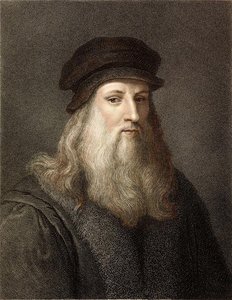
레오나르도 다 빈치(1452-1519)를 만나보세요: 모나리자와 최후의 만찬을 탄생시킨 르네상스의 천재! 그의 스푸마토 기법, 해부학 연구, 그리고 혁신적인 발명품들을 확인해보세요.
§ 3해설
A Monument Frozen in Time: Unveiling Leonardo da Vinci’s Equestrian Statue
This artwork represents a fascinating chapter in the career of Leonardo da Vinci – a project brimming with ambition and innovation that, tragically, remained incomplete during his lifetime. While we experience it today through preparatory drawings and detailed descriptions, the *Equestrian Statue* stands as a powerful testament to Da Vinci’s genius and vision for monumental sculpture.Subject & Composition: Power and Dynamic Movement
The envisioned statue depicted a rearing horse with a rider, intended as a grand memorial to Francesco Sforza, Duke of Milan. Unlike earlier equestrian monuments which typically showed the horse walking calmly, Da Vinci’s design captured a moment of intense energy and controlled power. The horse is dramatically poised, almost airborne, conveying both strength and nobility. Though the rider figure was never fully realized in clay, sketches suggest a commanding presence, integral to the overall dynamic composition. This departure from traditional equestrian portraiture signaled a new era in sculptural representation.Artistic Technique & Innovation
Da Vinci approached this project with his characteristic scientific rigor and inventive spirit. He meticulously studied equine anatomy, producing numerous detailed drawings that demonstrate an unparalleled understanding of the horse’s musculature and movement. His plans for casting the statue were equally groundbreaking. He proposed a bronze sculpture cast in separate sections – a revolutionary technique for such a large-scale work, utilizing internal supports to prevent collapse. This innovative approach was far ahead of its time, anticipating modern engineering principles. Chiaroscuro, though not directly applicable to the sculpture itself, informed Da Vinci’s preparatory drawings, lending depth and volume to his studies.Historical Context: The High Renaissance & Milanese Patronage
Commissioned in 1482 during Da Vinci's first period in Milan under the patronage of Ludovico Sforza, the *Equestrian Statue* embodies the ideals of the High Renaissance – a celebration of human potential and classical antiquity. Sforza intended the monument to rival those of ancient Roman emperors, asserting his family’s power and prestige. However, political turmoil intervened; the bronze earmarked for the statue was diverted to create cannons during times of war, ultimately halting the project. The incomplete clay model was later destroyed by French soldiers in 1499.Symbolism & Interpretation: Power, Legacy & Artistic Ambition
The rearing horse is a potent symbol of power, courage, and untamed energy. Its dynamic pose suggests both military prowess and noble spirit – qualities befitting the Duke Francesco Sforza. The statue’s monumental scale was intended to inspire awe and reverence. Beyond its political function, the *Equestrian Statue* also represents Da Vinci's own artistic ambition—his desire to push the boundaries of what was possible in sculpture. The very act of attempting such a complex and innovative work speaks volumes about his relentless pursuit of perfection.Emotional Impact & Lasting Legacy
Though never fully realized, the *Equestrian Statue* continues to captivate viewers with its inherent power and unrealized potential. The surviving drawings offer a glimpse into Da Vinci’s creative process, revealing his meticulous attention to detail and his profound understanding of form and movement. It evokes a sense of both grandeur and melancholy – a reminder of artistic dreams interrupted by circumstance. The statue's influence can be seen in later equestrian monuments, solidifying its place as a pivotal work in the history of art.Collecting & Interior Design
- A reproduction of Da Vinci’s *Equestrian Statue* – whether as a bronze sculpture or a high-quality print of his preparatory drawings – adds a touch of Renaissance grandeur to any space.
- Its dynamic composition and powerful imagery make it a striking focal point in living rooms, libraries, or home offices.
- The statue’s association with power, ambition, and artistic innovation can inspire creativity and intellectual curiosity.
- Consider pairing the artwork with neutral color palettes and classic furnishings to complement its timeless aesthetic.
질의응답
미술관에 소장된 레오나르도 다 빈치의 "Equestrian Statue"를 법적으로 복제할 수 있습니까?
"Equestrian Statue"의 원작은 미술관에 소장되어 있으며, 이 작품은 퍼블릭 도메인 - 저작권 보호 기간이 만료되었습니다 상태입니다.
레오나르도 다 빈치의 "Equestrian Statue"에서 느껴지는 감정은 무엇인가요?
레오나르도 다 빈치의 "Equestrian Statue"은(는) Powerful 분위기를 자아냅니다.
레오나르도 다 빈치의 "Equestrian Statue"의 권장 인쇄 사이즈는 무엇인가요?
"Equestrian Statue" 작품은 Large 크기로 인쇄하는 것을 권장합니다. 동일한 비율의 다른 사이즈로도 제작이 가능합니다.


 프린트 판매로 전환


 가로 또는 세로 중 어느 한 면이라도 105cm(약 41인치)를 초과하는 작품이나 복제화의 경우, 프레임은 분해된 키트 형태로 배송됩니다. 이는 안전한 배송을 보장하고 운송 중 발생할 수 있는 손상을 방지하기 위함입니다.


