

1911. Acrylic On Canvas.

§ 1카탈로그 정보


본 작품은 저작권법의 보호를 받습니다.
이 페이지에 표시된 작품은 저작권법의 보호를 받으며, 이에 따라 동일한 복제품을 제작하거나 판매하는 것은 법으로 금지되어 있습니다. 이러한 권리 보호는 다음과 같은 국제 협약에 따라 시행됩니다. 베른 협약 또한 다음에서 명시하는 법률을 포함한 국내법에 의해 보호됩니다. 미국 저작권법 제17조.
저희는 존중을 담은 합법적인 대안으로서, 원작에서 영감을 받은 맞춤형 수제 유화 작품을 제공합니다. 저희의 숙련된 전문 화가들은 원작의 스타일, 분위기, 예술적 정수를 면밀히 연구하여, 그 자체로 독창적인 창작물이면서도 원작과 동일한 감동을 불러일으키는 새로운 작품을 만들어냅니다.
이 방식은 저작권 보호를 받는 예술 작품을 복제하거나 그대로 재현하는 것이 아니기에 저작권 규정을 완벽히 준수합니다. 대신, 이는 창의적인 재해석의 과정을 거칩니다. 즉, 원작에서 영감을 받되 원작과 동일하지 않은 새로운 회화 작품을 의미합니다.
 더 알아보기
§ 2추상
수집품 상세 설명
§ 3해설
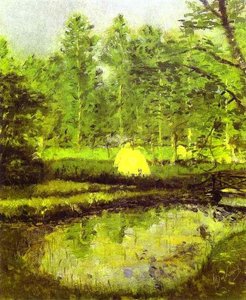
Landscape, Study for 'Paradise' – Marcel Duchamp: A Pioneering Vision of Impressionistic Minimalism
Marcel Duchamp’s “Landscape, Study for ‘Paradise’” stands as a pivotal work within his artistic trajectory and embodies the core tenets of Expressionism. Created in 1911, this unassuming canvas transcends mere depiction; it's an invitation to contemplate the fundamental questions surrounding art itself – a characteristic hallmark of Duchamp’s intellectual engagement with the burgeoning avant-garde movement.
- Subject Matter: The painting captures a serene rural vista—a hillside bathed in diffused sunlight, populated by mature trees bearing crimson foliage. This deliberate choice eschews grand narratives or dramatic vistas, prioritizing instead the quiet beauty of the natural world.
- Style & Technique: Duchamp’s approach aligns closely with Impressionism's focus on capturing fleeting moments of light and color, yet he strips away much of its decorative embellishment. The brushstrokes are loose and textured, conveying a palpable sense of atmosphere rather than precise representation. This technique prioritizes feeling over factual accuracy—a deliberate rejection of academic conventions.
- Historical Context: Produced during the early years of Dadaism – a movement born from disillusionment with the horrors of World War I – “Landscape, Study for ‘Paradise’” reflects Duchamp’s broader philosophical stance. Dada artists sought to dismantle accepted artistic values and challenge societal norms through absurdity and provocation; this painting embodies that spirit of questioning established traditions.
- Symbolism: The dominant red hue of the tree leaves isn't merely a visual element but carries symbolic weight. Red often represents passion, vitality, and even sacrifice—themes pertinent to Duchamp’s exploration of existential concerns. It serves as a subtle reminder that beauty can reside in simplicity and contemplation.
- Emotional Impact: Despite its understated appearance, “Landscape, Study for ‘Paradise’” evokes a profound sense of tranquility and introspection. The painting encourages viewers to pause and appreciate the subtleties of perception—a testament to Duchamp’s belief that art should stimulate thought rather than merely pleasing the eye.
This artwork exemplifies Duchamp's commitment to conceptual art, prioritizing intellectual exploration over technical virtuosity. Its enduring appeal lies in its ability to communicate a powerful emotional resonance through deceptively simple visual elements—a legacy of artistic innovation that continues to inspire artists and collectors alike.
질의응답
마르셀 뒤샹의 "Landscape, Study for 'Paradise'"의 기법은 무엇인가요?
마르셀 뒤샹은(는) "Landscape, Study for 'Paradise'" 작품에 Acrylic On Canvas 기법을 사용했습니다. 이 기법은 원작의 재료적 특성을 잘 보여줍니다.
마르셀 뒤샹의 "Landscape, Study for 'Paradise'"의 색감은 채도가 높은 편인가요, 아니면 차분한 편인가요?
마르셀 뒤샹의 "Landscape, Study for 'Paradise'"의 색상은 Balanced Soft 정도의 채도를 띱니다. 채도는 색상이 얼마나 선명하거나 차분한지를 나타냅니다.
마르셀 뒤샹의 "Landscape, Study for 'Paradise'"은(는) Post-Impressionism를 작가의 모국과 어떻게 연결하고 있나요?
"Landscape, Study for 'Paradise'"은 프랑스 출신의 마르셀 뒤샹가 Post-Impressionism 운동의 흐름 속에서 제작한 작품입니다. 작가의 출신 배경은 이 작품을 프랑스 예술가들이 선보인 Post-Impressionism 양식과 연결해 줍니다.




 프린트 판매로 전환


 가로 또는 세로 중 어느 한 면이라도 105cm(약 41인치)를 초과하는 작품이나 복제화의 경우, 프레임은 분해된 키트 형태로 배송됩니다. 이는 안전한 배송을 보장하고 운송 중 발생할 수 있는 손상을 방지하기 위함입니다.


