Acrylic.

§ 1Catalogue data

본 작품은 저작권법의 보호를 받습니다.
이 페이지에 표시된 작품은 저작권법의 보호를 받으며, 이에 따라 동일한 복제품을 제작하거나 판매하는 것은 법으로 금지되어 있습니다. 이러한 권리 보호는 다음과 같은 국제 협약에 따라 시행됩니다. 베른 협약 또한 다음에서 명시하는 법률을 포함한 국내법에 의해 보호됩니다. 미국 저작권법 제17조.
저희는 존중을 담은 합법적인 대안으로서, 원작에서 영감을 받은 맞춤형 수제 유화 작품을 제공합니다. 저희의 숙련된 전문 화가들은 원작의 스타일, 분위기, 예술적 정수를 면밀히 연구하여, 그 자체로 독창적인 창작물이면서도 원작과 동일한 감동을 불러일으키는 새로운 작품을 만들어냅니다.
이 방식은 저작권 보호를 받는 예술 작품을 복제하거나 그대로 재현하는 것이 아니기에 저작권 규정을 완벽히 준수합니다. 대신, 이는 창의적인 재해석의 과정을 거칩니다. 즉, 원작에서 영감을 받되 원작과 동일하지 않은 새로운 회화 작품을 의미합니다.
 상세 보기
상세 보기§ 2Abstract
컬렉션 상세 정보
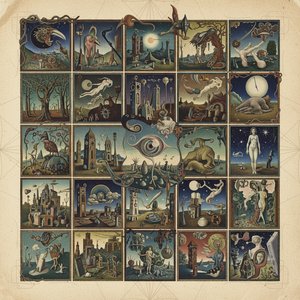
Explore Max Ernst’s surrealist masterpiece, ‘untitled (2931)’—a captivating depiction of two bird-headed figures embodying philosophical contemplation alongside musical expression. This iconic artwork from the 1930s invites you to immerse yourself in Ernst's visionary style and bring home a timeless piece of art history.
작가 소개
초현실주의 거장 맥스 에른스트(1891-1976)의 꿈결 같은 세계를 탐험하세요! 독창적인 프로타주 기법과 콜라주, 그리고 새와 풍경을 소재로 한 심리적 그림들을 만나보세요. 다다이즘과 초현실주의 미술사에 큰 획을 그은 그의 작품 세계를 경험하십시오.
§ 3Commentary
A Surrealist Encounter: Decoding Max Ernst’s “Untitled (2931)”
The painting "Untitled (2930)" by Max Ernst is more than just a visual spectacle; it's an invitation into the labyrinthine realm of surrealism, where logic yields to dreamlike imagery and subconscious desires surface as tangible forms. Executed sometime between 1940 and 1945 during Ernst’s prolific period in Paris—a city brimming with artistic ferment following World War II—this artwork exemplifies the movement's core tenets: automatism, juxtaposition of incongruous elements, and exploration of psychological landscapes.- Subject Matter & Composition:
- At first glance, the painting presents a striking duality. A man with avian features—a bird’s head replacing his human face—stands rigidly on one leg, clutching a guitar as if attempting to maintain equilibrium amidst an unsettling stillness. Beside him is a woman adorned in a mask, mirroring Ernst's fascination with concealment and transformation. The placement of these figures alongside a clock and a chair subtly underscores themes of time, confinement, and domesticity – concepts frequently interrogated by Surrealist artists.
Stylistic Innovation: Automatism and Collage Techniques
Ernst’s artistic process was revolutionary for its time. He championed automatism—a technique deliberately designed to bypass conscious thought—resulting in spontaneous drawings and paintings that captured the essence of unconscious impulses. This method is brilliantly realized here through collage, where Ernst meticulously assembled fragments of various materials – paper, wood grain, and possibly even printed images – onto a canvas surface. The resulting texture adds depth and complexity to the composition, mirroring the fragmented nature of dreams themselves. The deliberate blurring of boundaries between reality and fantasy speaks directly to Surrealist ideals.- Color Palette & Texture:
- The painting’s color palette is muted yet evocative, dominated by earthy tones—browns, ochres, and greys—that contribute to the artwork's melancholic atmosphere. Ernst skillfully employs layering techniques to build up texture, creating a palpable sense of materiality that contrasts sharply with the ethereal quality of the figures. This textural richness enhances the viewer’s engagement with the piece and reinforces its connection to the natural world.
Symbolism: Bird Heads and Masks – Representations of Transformation
The recurring motif of bird heads—present in both the man and woman—holds profound symbolic significance within Surrealist art. Birds are traditionally associated with freedom, aspiration, and transcendence, representing a desire to escape earthly constraints. Ernst’s use of masks amplifies this symbolism, suggesting hidden identities and suppressed emotions. The mask obscures what lies beneath, prompting contemplation about inner selves and the complexities of human experience. Furthermore, the guitar symbolizes creativity and expression—a tool for navigating the subconscious and articulating unspoken feelings.- Historical Context: Surrealism After WWII:
- “Untitled (2930)” emerged from the crucible of postwar Europe, where Surrealist artists wrestled with anxieties surrounding trauma, disillusionment, and the looming threat of nuclear annihilation. Ernst’s work embodies the movement's commitment to confronting irrational fears and challenging conventional notions of reason—a reaction against the horrors witnessed during the war years. It stands as a testament to Surrealism’s enduring power to provoke thought and inspire artistic innovation.
Emotional Resonance: A Meditation on Isolation and Desire
Ultimately, “Untitled (2930)” transcends mere visual representation; it invites viewers into a contemplative dialogue about the human condition. The figures’ posture conveys a sense of vulnerability and isolation—a reflection of the psychological landscape explored by Ernst himself. Yet, simultaneously, the guitar symbolizes an attempt to communicate, to assert oneself amidst uncertainty. The painting's haunting beauty lies in its ability to capture the elusive essence of desire—the yearning for connection and transformation that resides at the core of our subconscious minds.질의응답
"untitled (2931)"의 제작 기법은 무엇인가요?
막스 에른스트은(는) "untitled (2931)" 작품에 Acrylic 기법을 사용했습니다. 이 기법은 원작의 재료적 특성을 잘 보여줍니다.
"untitled (2931)" 작품을 파인 아트 프린트로 구매할 수 있나요?
"untitled (2931)" 작품은 코튼 캔버스 또는 아카이브용 캔버스지에 인쇄된 파인 아트 프린트로 만나보실 수 있습니다. 주문은 파인 아트 프린트 페이지에서 원하시는 사이즈를 선택하여 진행하실 수 있습니다.
"untitled (2931)"은(는) 누가 제작했으며 어떤 화풍인가요?
"untitled (2931)"의 뒤에는 막스 에른스트와 Surrealist Expression 운동이 자리하고 있습니다.


 프린트 판매로 전환


 가로 또는 세로 중 어느 한 면이라도 105cm(약 41인치)를 초과하는 작품이나 복제화의 경우, 프레임은 분해된 키트 형태로 배송됩니다. 이는 안전한 배송을 보장하고 운송 중 발생할 수 있는 손상을 방지하기 위함입니다.