


 실제 크기로 보기
 보내기
보내기 공유하기
공유하기
 상세 보기
상세 보기 가이드 보기

 이미지 다운로드
 유사 작품 더 보기
 X-레이
X-레이 슬라이드 쇼 보기
 Q&A
Q&A 통계 정보
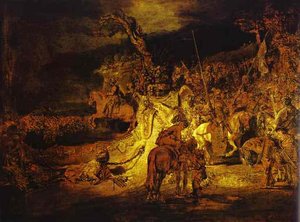
통계 정보The crucifixion

 상세 보기
상세 보기
지클레 / 아트 프린트
빠른 제작과 다양한 마감 옵션을 선택할 수 있는 박물관 수준의 지클레이 및 캔버스 프린트. ( 수작업 채색 복제본 주문하기 디지털 이미지 판매 채널로 전환)




P118B ₩10

P118H ₩10

P118W ₩10

P438Z ₩10

P508JH ₩12

P508YH ₩12

P805H ₩10

P805Z ₩10

P919BZ ₩10

P919G ₩10

P919XJ ₩10

P959ZH ₩10

P968JZ ₩12

W106C ₩8

W218G ₩10

W218JH ₩8

W218Y ₩10

W307PJ ₩10

W316G ₩10

W316PJ ₩8

W316Y ₩10

W398PJ ₩8

W4111J ₩10

W500HY ₩15

W500JH ₩15

W692G ₩12

W849H ₩8

W940BG ₩15

W953PJ ₩8




작품의 원본 비율을 그대로 유지하는 프리셋 사이즈 중에서 선택해 보세요.

액자나 벽면 크기에 맞춰 필요한 가로와 세로 길이를 입력해 주세요. 프린트는 원본 이미지보다 크게 제작할 수 없으며 오직 자르는 것만 가능하므로, 비율이 다른 사이즈를 선택할 경우 이미지의 일부가 잘려 나갈 수 있습니다. 인쇄 작업에 들어가기 전, 최종 확인을 위해 디지털 목업을 보내드립니다. 이 페이지에 표시된 이미지는 실제 잘리는 영역을 나타내지 않으며, 오직 목업을 통해서만 정확한 확인이 가능합니다.


 유리 옵션은 110cm 미만 크기에서만 선택 가능합니다.

The crucifixion
지클레 / 아트 프린트
복제본 규격
-


총 결제 금액
₩ 86757
A Vision of Sorrow and Divine Presence: Exploring Nicolas Poussin’s “The Crucifixion”
Nicolas Poussin, a figure whose legacy transcends mere artistic skill—he embodies the very spirit of classical contemplation within the burgeoning Baroque era—continues to captivate audiences centuries after his death in 1665. Born in Le Havre, France, his formative years were marked by an early exposure to humanist ideals and artistic experimentation, albeit tempered by a profound connection to Italian Renaissance aesthetics. While brief academic pursuits in Paris initially absorbed influences from contemporaries like Valentin Leblanc, it was the transformative pilgrimage to Rome in 1624 that irrevocably shaped Poussin’s artistic trajectory. This journey wasn't simply about acquiring knowledge; it was an encounter with the grandeur of antiquity—a deliberate embrace of Greco-Roman principles that would become the cornerstone of his distinctive style.- Subject Matter: The painting depicts a solemn tableau of Christ’s crucifixion, capturing a pivotal moment in Christian faith and history. It portrays Jesus suspended on the cross amidst a gathering of mourners—a scene laden with pathos and conveying profound spiritual significance.
- Style: Poussin's artistic approach firmly establishes itself within the Baroque tradition yet simultaneously harkens back to the idealized forms and serene compositions characteristic of Mannerism. He skillfully blends elements of both styles, resulting in an image that possesses a remarkable balance between dynamism and stillness—a hallmark of his oeuvre.
Technique: Venetian Influence Meets Classical Precision
Poussin’s mastery lies not only in his subject matter but also in his meticulous technique. Like many artists of his time, he drew inspiration from the Venetian painters—particularly Titian—whose use of rich color palettes and luminous brushstrokes instilled a sensual vibrancy into his canvases. However, unlike the expressive fervor of Venetian art, Poussin prioritized clarity and intellectual rigor. He employed a glazing technique—a layering process where thin washes of translucent pigment are applied over subsequent layers—to achieve unparalleled depth and luminosity. This method allowed him to capture subtle gradations of light and shadow, creating an illusionistic space that transports the viewer into the scene.Historical Context: Rome as Crucible of Artistic Innovation
Poussin’s artistic development unfolded against the backdrop of Rome—a city undergoing a renaissance of artistic patronage and intellectual fervor. The papal court actively championed classical ideals, fostering an environment where artists could explore humanist themes and engage in dialogues with ancient texts and sculptures. This context profoundly influenced Poussin's worldview and fueled his desire to emulate the achievements of Greek and Roman masters. His depiction of the crucifixion reflects this broader cultural preoccupation—a deliberate effort to convey moral truths through visual representation.Symbolism: Grief, Faith, and Divine Mercy
The painting’s symbolism resonates deeply with Christian iconography. The mourners surrounding the cross represent humanity grappling with sorrow and despair—yet their gaze is directed upwards toward Christ, symbolizing faith and hope amidst suffering. The inclusion of a donkey underscores the humility associated with Jesus's journey to Jerusalem, reinforcing the narrative's moral dimension. Furthermore, Poussin’s masterful composition directs the viewer’s eye towards the central figure—a deliberate strategy designed to evoke contemplation and inspire reverence.Emotional Impact: A Portrait of Profound Sorrow
Ultimately, “The Crucifixion” transcends mere visual representation; it communicates a palpable emotional experience. The subdued color palette—dominated by earthy tones—contributes to the painting’s solemn atmosphere, mirroring the grief and compassion expressed by the figures depicted. Poussin's meticulous attention to detail—from the folds of drapery to the expressions on the faces of the mourners—creates an image that compels viewers to confront the profound realities of human suffering and divine mercy. It remains a testament to Poussin’s ability to transform historical narrative into enduring artistic beauty.질의응답
"The crucifixion"이(가) 공간에 어떤 분위기를 선사할까요?
니콜라 푸생의 "The crucifixion"의 Dramatic한 분위기는 추천 공간인 Living Room과 완벽하게 어우러집니다.
"The crucifixion"의 작가는 누구인가요?
"The crucifixion"은(는) 니콜라 푸생의 작품입니다. 이 페이지의 정보는 니콜라 푸생의 원작에 대해 설명합니다.
"The crucifixion"의 고해상도 다운로드 버전을 구매할 수 있나요?
니콜라 푸생의 "The crucifixion"의 디지털 이미지는 다음의 디지털 이미지 페이지에서 구매하실 수 있습니다: 고해상도 디지털 이미지 다운로드.
관련 작품들




작가 소개
빛과 이성의 조화: 니콜라 푸생의 삶과 예술
니콜라 푸생은 프랑스 바로크 회화를 대표하는 거장이지만, 그의 영혼은 대부분의 생애를 이탈리아 토양 속에서 키워냈습니다. 1594년 노르망디 레 안들리에서 태어난 그는 어린 시절부터 그림에 재능을 보였고, 지역 화가 퀴탱 바랭에게 기초적인 기법을 익혔습니다. 파리에서 잠시 활동하며 조르주 라레망과 페르디낭 엘레의 영향을 받았지만, 그의 예술적 운명을 결정짓는 것은 1624년 로마로 떠난 여정이었을 것입니다. 로마는 푸생에게 단순한 작업 공간 이상의 의미를 지녔습니다. 고대 문명의 심장부에서 그는 끊임없이 영감을 얻었고, 이는 그의 작품 전반에 걸쳐 나타나는 고전주의적 특징의 근원이 되었습니다. 초기에는 티치아노와 같은 베네치아 화가들의 영향을 받아 감각적인 색채를 탐구했지만, 곧 이성을 중시하고 명확한 구도를 선호하는 자신만의 스타일을 확립해 나갔습니다.로마 시대: 고전적 이상 추구
로마에서 푸생은 카시아노 달 포초와 같은 학자, 고고학자, 그리고 동료 화가들과 교류하며 지적인 토론을 나누었습니다. 특히 카시아노는 고대 유적을 꼼꼼하게 기록하는 데 몰두했는데, 이는 푸생에게 역사적 정확성과 시대를 초월한 아름다움을 작품에 담고자 하는 열망을 심어주었습니다. 그는 라파엘로의 작품들을 깊이 연구하며 조화로운 구성과 우아한 형태를 흡수했으며, 고대 조각상과 오비디우스의 『변신 이야기』와 같은 문학 작품에서도 영감을 얻었습니다. 이 시기 푸생은 점차 화려하고 감정을 격렬하게 드러내는 바로크 양식에서 벗어나 명확성, 균형, 그리고 선명한 구성을 강조하는 스타일을 발전시켰습니다. 그의 그림들은 종교적, 역사적 주제를 다루었지만, 단순한 이야기 전달을 넘어선 철학적 깊이와 상징적인 의미를 담고 있었습니다.역사, 신화, 그리고 신성: 주제의 다양성과 심오함
푸생은 다양한 주제를 탐구했지만, 그의 작품들은 일관되게 고전주의적 원칙에 기반했습니다. 그는 게르마니쿠스의 죽음과 같은 고대 역사를 묘사하며 비장하고 품위 있는 분위기를 연출했고, 신화 속 이야기를 통해 인간 본성을 탐구하며 도덕적인 교훈을 전달하고자 했습니다. 특히 *아르카디아* 시리즈는 그의 철학적 깊이를 보여주는 대표작으로, 죽음과 기억의 힘에 대한 성찰을 담고 있습니다. 또한 그는 *7가지 성사* 연작과 같이 종교적인 주제를 다루면서도 과도한 감정 표현을 자제하고 고요하고 엄숙한 분위기를 유지했습니다. 그의 후기 작품에서는 광활한 풍경이 더욱 중요하게 부각되었는데, 이는 현실과 이상이 조화를 이루는 아름다운 자연 경관을 통해 인간의 내면 세계를 표현하고자 한 시도였습니다.프랑스 예술에 미친 영향: 고전주의의 초석
푸생은 대부분의 생애를 이탈리아에서 보냈지만, 프랑스 예술에 지대한 영향을 미쳤습니다. 1640년 리슐리외 추기경의 요청으로 잠시 프랑스로 돌아가 왕실 화가가 되었으나, 궁중 생활의 부담과 권력 다툼을 견디지 못하고 곧 로마로 귀환했습니다. 그는 프랑스 왕립 회화 및 조각 아카데미에서 중요한 역할을 수행하며 고전주의 예술 교육의 기준을 확립하는 데 기여했습니다. 그의 엄격한 접근 방식과 지적인 깊이는 자크 루이 다비드와 폴 세잔과 같은 후대 화가들에게 영감을 주었으며, 단순한 스타일 모방을 넘어 프랑스 고전주의 미술의 초석을 다지는 역할을 했습니다. 푸생은 예술을 통해 이성과 아름다움을 추구하며 시대를 초월하는 가치를 창조하고자 했던 위대한 예술가였습니다.- 대표작: *게르마니쿠스의 죽음*, *7가지 성사 연작*, *로마의 길*, *맹인 오리온*, *계절*.
- 주요 특징: 고전적 구성, 선명한 윤곽선, 역사 및 신화 주제, 고요한 풍경.
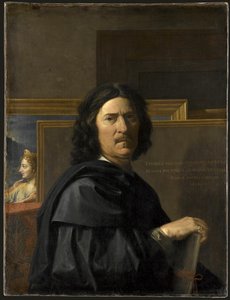
니콜라 푸생
1594 - 1665 , 프랑스
작가 정보 요약
- 국적: 프랑스
- 영향받은 예술가:
- 자크 루이 다비드
- 폴 세잔
- 영향을 준 예술가:
- 라파엘로
- 티치아노
- 예술 사조: 바로크, 고전주의
- 전체 이름: 니콜라 푸생
- 주요 작품:
- Germanicus의 죽음
- 7가지 성사 연작
- 로마 도로
- 눈먼 오리온
- 계절
- 출생일: 1594년 6월
관련 기사

Baroque Classicism: A Professional Guide to Integrating Timeless Grandeur into Luxury Hotel Interiors
Elevate luxury hospitality with Baroque Classicism. Our guide for hotel designers explores integrating grand, classical oil reproductions into professional interiors. Discover efficient bulk procurement, custom sizing, and large-format murals to create timeless, high-impact spaces.


