


 미리보기
미리보기
 공유하기
공유하기 공유하기
공유하기
 상세 정보
상세 정보

 다운로드
다운로드
 유사 작품
유사 작품 X-레이
X-레이 슬라이드 쇼
Prototype
 Surrealism
 1988
1988 66.0 x 48.0 cm
 더 보기
더 보기
지클레 / 아트 프린트
빠른 제작과 다양한 마감 옵션을 제공하는 박물관 품질의 지클레이 또는 캔버스 프린트. ( 손으로 그린 그림 구매 이미지 구매)




































작품의 원본 비율을 유지하는 미리 설정된 크기 중에서 선택하세요.

특정 프레임이나 공간에 맞춰 직접 치수를 입력하실 수 있습니다. 선택하신 사이즈가 원본 이미지의 비율과 일치하지 않을 경우, 작품을 크롭(자르기)하거나 이미지를 대칭 또는 단색 채우기로 확장하여 제작합니다. 제작 시작 전, 최종 확인을 위해 디지털 목업이 전송됩니다.
화면상의 미리보기는 실제 크롭이나 확장 상태를 반영하지 않으므로, 최종 구도는 오직 목업을 통해서만 정확하게 확인하실 수 있습니다.
맞춤 사이즈 제작도 가능하지만, 원본 비율을 유지하기 위해서는 사전 정의된 목록에서 치수를 선택하시는 것을 권장합니다.


 유리 옵션은 110cm 미만 크기에서만 선택 가능합니다.

Prototype
지클레 / 아트 프린트
복제본 크기
-


최종 결제 금액
$ 64
유사한 작품들


작가 약력
A Life Forged in Dystopia: The Art of Norman Catherine
Norman Catherine emerged as a significant voice in South African contemporary art during the tumultuous 1970s, and his work continues to resonate powerfully today. Born in East London in 1949, Catherine’s artistic journey began with a foundational two years at the EL Technical College Art School before largely embracing self-taught exploration. This independence fostered an idiosyncratic style that would become his hallmark – a potent blend of dark humor, social commentary, and raw emotionality. He currently resides near Hartbeespoort Dam, a location that seems to echo the complex landscapes reflected in his art: both beautiful and unsettling, hinting at hidden depths beneath a seemingly tranquil surface. His early years were marked by experimentation with diverse materials – oil on wood, bone, wire, found objects – establishing a precedent for his innovative approach to form and texture.The Fook Island Collaboration & Early Development
Catherine’s career took a pivotal turn through his close collaboration with Walter Battiss, the celebrated South African artist, beginning in 1973. This partnership centered around the fantastical “Fook Island” concept—a fictional realm that served as a vehicle for exploring themes of identity, colonialism, and cultural appropriation. The influence of Battiss is palpable in Catherine’s early work, particularly his embrace of playful imagery and vibrant color palettes. However, Catherine quickly developed a distinct voice, moving beyond mere imitation to create art that reflected the unique socio-political realities of South Africa during apartheid. His first solo exhibition in Johannesburg in 1969 signaled the arrival of an artist unafraid to confront difficult subjects with both cynicism and exuberance. Throughout the 1980s, Catherine’s style underwent a series of transformations, from airbrush paintings to frenzied mixed media works, wire sculptures, and ultimately, the “primitive-futuristic” paintings that would define his pre-millennial period.Themes of Violence, Pathology & the Human Psyche
Catherine's art is deeply rooted in an exploration of the darker aspects of the human condition. History, horror, crime, conflict, psychoses, and politics are not merely subjects but *nutrients* that fuel his creative process. His work vacillates between the macabre and the comic, often presenting unsettling imagery alongside a playful aesthetic. This juxtaposition is deliberate—a means of confronting uncomfortable truths while simultaneously acknowledging the absurdity of existence. He masterfully conveys a cynical vision through a dynamic interplay of light and shadow, oscillating between internal hallucinatory realms and literal commentary on the material world. His paintings are populated by anthropomorphic beasts, distorted figures, and fragmented landscapes that evoke a sense of unease and alienation.Major Achievements & International Recognition
Norman Catherine’s prolific output has garnered widespread recognition both in South Africa and internationally. His work is included in major public and private collections, including the Museum of Modern Art (MoMA) and the Brooklyn Museum in New York. In 1993, he was honored with an invitation to exhibit at the 45th Venice Biennale, representing South Africa on a global stage. This marked a significant milestone in his career, solidifying his position as a leading figure in contemporary African art. A retrospective exhibition at the Johannesburg Art Gallery (JAG) in 2006 further cemented his legacy, showcasing the breadth and depth of his artistic journey.A Lasting Legacy: Catherine’s Influence on South African Art
Norman Catherine's impact extends beyond his own prolific body of work. He has served as a significant influence on generations of younger artists, inspiring them to challenge conventions and explore difficult subjects with honesty and originality. His innovative use of materials, combined with his distinctive visual style, has left an indelible mark on the South African art landscape. His ability to blend dark cynicism with exuberant humor, coupled with his unflinching exploration of the human psyche, continues to captivate audiences worldwide. Catherine’s work serves as a powerful reminder of the enduring power of art to confront uncomfortable truths and provoke meaningful dialogue about the complexities of our world.- His idiosyncratic vision has secured his place at the forefront of South African contemporary art.
- Catherine’s art imbibes a dystopian vision of the socio-political landscape that informs his psyche.

norman catherine
1949 -
주요 정보
- Artistic Movement Or Style: Contemporary Painting
- Artists Or Movements Influenced By This Artist: ['Surrealism']
- Artists Who Influenced This Artist: ['Walter Battiss']
- Date Of Birth: September 1949
- Date Of Death: Living
- Full Name: Norman Catherine
- Nationality: South African
- Notable Artworks:
- Witch Hunt
- Psychoanalysed
- Prototype
- Place Of Birth: East London, South Africa
관련 기사 더 보기

가츠시카 호쿠사이 최고 걸작 25선: 우키요에의 정수를 만나다 | AllPaintingsStore
가츠시카 호쿠사이의 최고 걸작 25선을 만나보세요. 우키요에, 대판화 기법과 후지산 풍경의 아름다움을 담은 명작들을 감상하고, AllPaintingsStore에서 고품질 아트 프린트와 인테리어 액자를 찾아보세요. 지금 바로 컬렉션을 탐험하세요!

몽환적 재해석: AI 기반 초현실주의로 사진을 예술의 경지로
AllPaintingsStore에서 AI 기반 초현실주의 스타일 변환으로 사진을 시대를 초월하는 예술 작품으로 재탄생시키세요. 숙련된 장인의 손길과 최고 품질의 유화로 당신의 소중한 추억을 영원히 간직하세요. 지금 바로 맞춤형 아트 제작 서비스를 경험해보세요!
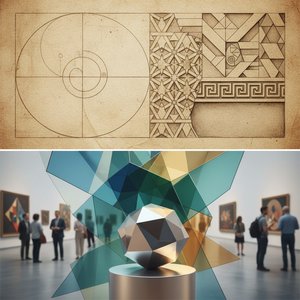
Geometric Design in Art: A Historical Survey & Contemporary Appeal for Collectors
Explore the enduring legacy of geometric abstraction! Discover key artists, historical movements & investment insights for discerning art collectors. Expert guidance from AllPaintingsStore.

예술적 공간 구현을 위한 경제적 해법: 캔버스 및 용지 인쇄를 통한 빠르고 합리적인 벽면 연출 전략
AllPaintingsStore에서 고품질 캔버스 및 용지 인쇄로 공간을 예술적으로 연출하세요! 핸드 페인팅, 맞춤형 초상화 등 다양한 옵션과 전문가의 컨설팅으로 클라이언트 만족도를 높이세요. 합리적인 가격과 100% 고객 만족 보장.

Top 10 Artworks That Evoke Tension: Masterpieces for a Thoughtful Home
Explore 10 iconic artworks – from Munch's 'The Scream' to Goya’s haunting scenes – that masterfully evoke tension & emotion. Discover the stories behind these masterpieces and find museum-quality art reproductions for your home at AllPaintingsStore.com. Explore the full collection online.



