

 미리보기
미리보기
 공유하기
공유하기 공유하기
공유하기
 상세 정보
상세 정보 가이드 보기

 다운로드
다운로드
 유사 작품 더 보기
 X-레이
X-레이 슬라이드 쇼 보기
 질의응답
질의응답 통계 정보
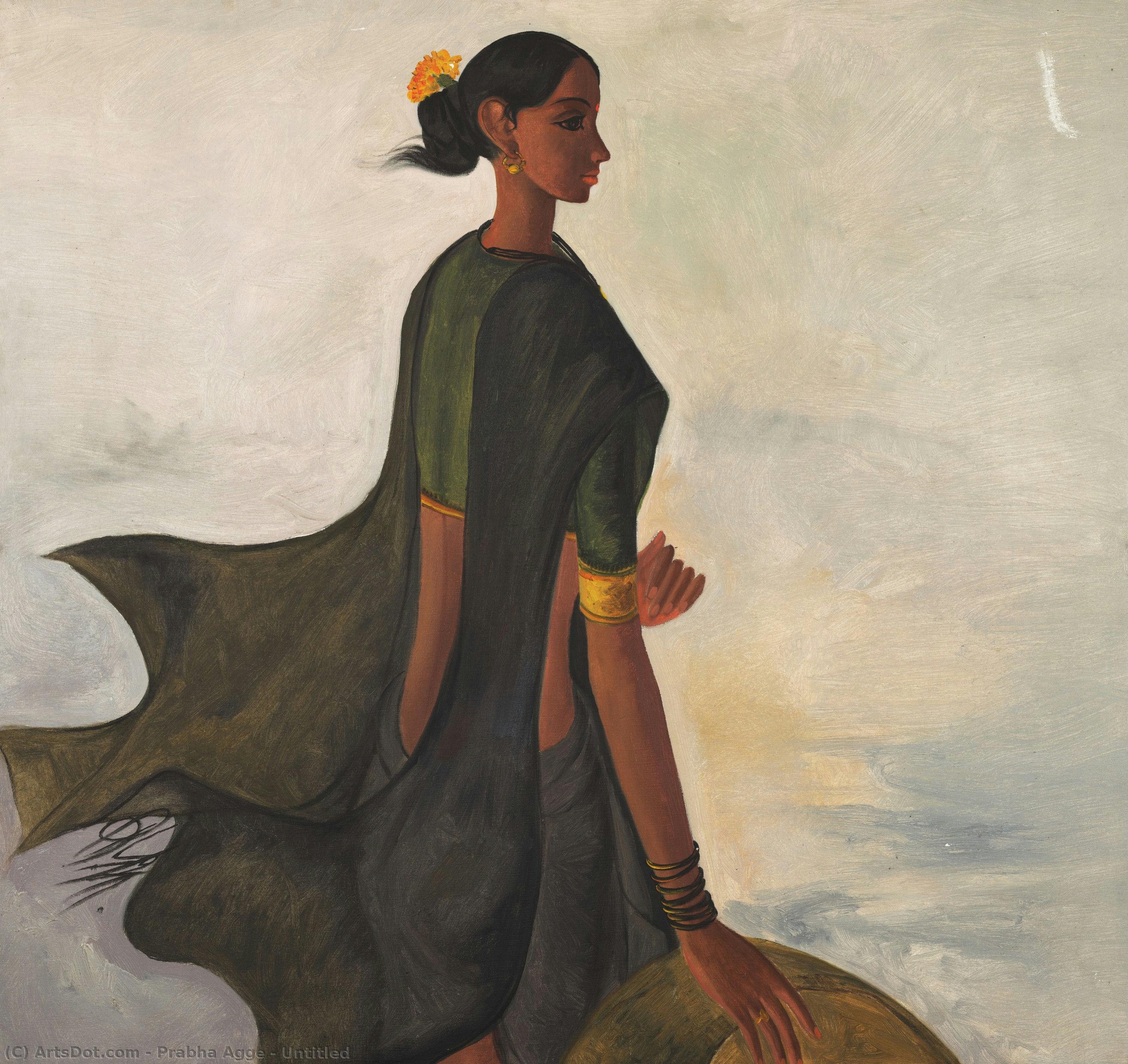
통계 정보Untitled

- 100.0 x 106.0 cm

 더 보기
더 보기
이 페이지에 표시된 작품은 저작권법의 보호를 받으며, 이에 따라 동일한 복제품을 제작하거나 판매하는 것은 법으로 금지되어 있습니다. 이러한 권리 보호는 다음과 같은 국제 협약에 따라 시행됩니다. 베른 협약 또한 다음에서 명시하는 법률을 포함한 국내법에 의해 보호됩니다. 미국 저작권법 제17조.
이 방식은 저작권 보호를 받는 예술 작품을 복제하거나 그대로 재현하는 것이 아니기에 저작권 규정을 완벽히 준수합니다. 대신, 이는 창의적인 재해석의 과정을 거칩니다. 즉, 원작에서 영감을 받되 원작과 동일하지 않은 새로운 회화 작품을 의미합니다.
지클레 / 아트 프린트
빠른 제작과 다양한 마감 옵션을 제공하는 박물관 수준의 지클레이 및 캔버스 프린트. ( 수작업 채색 복제본 주문하기 디지털 이미지로 전환)




































작품의 원본 비율을 그대로 유지하는 프리셋 사이즈 중에서 선택해 보세요.

액자나 벽면 크기에 맞춰 필요한 가로와 세로 길이를 입력해 주세요. 프린트는 원본 이미지보다 크게 제작할 수 없으며 오직 자르는 것만 가능하므로, 비율이 다른 사이즈를 선택할 경우 이미지의 일부가 잘려 나갈 수 있습니다. 인쇄 작업에 들어가기 전, 최종 확인을 위해 디지털 목업을 보내드립니다. 이 페이지에 표시된 이미지는 실제 잘리는 영역을 나타내지 않으며, 오직 목업을 통해서만 정확한 확인이 가능합니다.


 유리 옵션은 110cm 미만 크기에서만 선택 가능합니다.

Untitled
지클레 / 아트 프린트
복제본 크기
-


최종 결제 금액
₩ 87201
질의응답
"Untitled"에서 대비와 조화는 어떻게 어우러지나요?
Prabha Agge의 "Untitled"의 색채 구성은 Statement한 대비와 Strong Color Unity한 조화가 어우러져 있습니다.
Prabha Agge의 "Untitled"에서 어떤 색상이 주를 이루나요?
Prabha Agge의 "Untitled"의 색채 정체성: Espresso (#423a30)이(가) 주를 이루는 Neutrals 팔레트.
Prabha Agge의 "Untitled"의 방문객 분포는 어떻게 되나요?
Prabha Agge의 "Untitled"에 관한 통계 정보는 작품의 방문 통계 페이지에서 확인하실 수 있습니다. 해당 페이지에서는 작품의 월간 방문 횟수, 작가 작품 전체의 방문 횟수, 그리고 최근 방문자의 국가 및 언어별 상세 현황을 제공합니다.
유사한 작품들


작가 정보
The Silent Resonance of Rural Grace
In the vast and vibrant tapestry of Indian modernism, few voices resonate with as much quiet, poignant dignity as that of Prabha Agge. Born in 1933 in the small village of Bela, near Nagpur, Maharashtra, Agge emerged during a transformative era when the foundations of contemporary Indian art were being laid. Her journey was one of profound empathy, moving from the intimate landscapes of her childhood to the prestigious halls of the Sir J.J. School of Art in Bombay. It was within this academic crucible that she refined a style that would eventually become instantly recognizable across the globe—a style defined not by grand, sweeping gestures, but by the soulful, elongated silhouettes of women navigating the complexities of rural existence.
The artistic soul of Agge was deeply nurtured by the pioneering spirit of Amrita Sher-Gil. Much like her predecessor, Agge looked toward the marginalized and the everyday, finding extraordinary beauty in the pensive expressions of those often overlooked by history. This influence manifested in a technique that favored emotional depth over mere anatomical precision. Her canvases became stages for solitary figures, rendered with a graceful simplicity that captured the weight of existence. Through her eyes, the rural Indian woman was not merely a subject of study, but a symbol of resilience and quiet strength, standing as a testament to a life lived with unyielding dignity amidst hardship.
A Symphony of Single Hues and Social Truths
To encounter a painting by B. Prabha is to enter a world of meditative stillness. Her mastery of oil on canvas allowed her to experiment with a unique chromatic language, where each composition was often dominated by a single, powerful hue. Whether it was the warmth of an earthy ochre or the somber depth of terracotta, these monochromatic foundations served to intensify the emotional atmosphere of her work. This deliberate use of color did more than just decorate; it enveloped her subjects in a specific mood, mirroring the internal landscapes of the women she portrayed. Her figures, characterized by their elegant, elongated forms, seemed to emerge from these colored veils, caught in moments of profound contemplation.
Beyond the aesthetic beauty of her portraits, Agge’s work was deeply rooted in a compassionate social realism. She did not shy away from the harsher realities of the Indian countryside, using her brush to address the pressing issues of drought, hunger, and homelessness. There was a haunting honesty in her observation; she famously remarked in an interview that she had yet to see one truly happy woman, a sentiment that echoed through the weary but resolute eyes of her subjects. Her landscapes, while occasionally serving as serene backdrops, often functioned as extensions of this social narrative, reflecting the environmental and economic pressures that shaped the lives of the rural communities she so tenderly documented.
Legacy and the Enduring Impression
The career of Prabha Agge was marked by a prolific output and an unwavering commitment to her vision. By the time of her passing in 2001, her work had been showcased in over fifty exhibitions, securing her place in the pantheon of significant Indian modernists. Her legacy is preserved within some of the most prestigious institutions in India, ensuring that her depictions of rural life continue to inspire future generations of artists and scholars alike. Her contributions include:
- Institutional Recognition: Her masterpieces are held in esteemed collections such as the National Gallery of Modern Art, the TIFR Art Collection, and the Air India Art Collection.
- Stylistic Innovation: The development of a signature aesthetic involving elongated figures and monochromatic emotional landscapes.
- Social Advocacy: A lifelong dedication to representing the marginalized through a lens of dignity rather than pity.
Ultimately, the significance of Prabha Agge lies in her ability to transform the mundane into the monumental. She took the quiet, often invisible struggles of rural women and elevated them to the realm of high art, creating a visual language that speaks across borders and generations. Her work remains a profound meditation on the human condition, reminding us that within the simplest of forms and the most singular of colors, there lies an infinite depth of emotion.

Prabha Agge
1933 - 2001 , India
작가 정보 요약
- Full Name: prabha agge
- Nationality: Indian
- Date Of Birth: 1933
- Date Of Death: 2001
- Place Of Birth: Belo Horizonte, India
- Notable Artworks: ['Untitled']
- Artistic Movement Or Style: Oil on canvas; Modern Indian art
- Artists Who Influenced This Artist: Amrita Sher-Gil
관련 콘텐츠

Rustic Charm: 10 Masterpieces That Capture the Beauty of Rural Life
Journey through timeless pastoral landscapes and iconic Impressionist masterpieces. Discover the stories behind 10 legendary artworks capturing the soul of rural life. Find museum-quality art reproductions and curated decor inspiration at AllPaintingsStore.com. Explore the full collection online.

Empowered & Ethereal: 10 Iconic Artworks That Celebrate Women
Journey through history with 10 iconic artworks celebrating women. From Renaissance portraits to modern masterpieces, explore the stories behind these timeless pieces and find museum-quality reproductions for your decor. Discover all masterpieces on AllPaintingsStore.com.

25 Vibrant Masterpieces by Ágatha Ruiz de la Prada: A Kaleidoscope of Joy
Immerse yourself in the vibrant world of Ágatha Ruiz de la Prada. Explore 25 iconic artworks defined by bold colors and joyful pop art energy. Find inspiration for museum-quality decor and fine art reproductions. Discover all masterpieces on AllPaintingsStore.com.