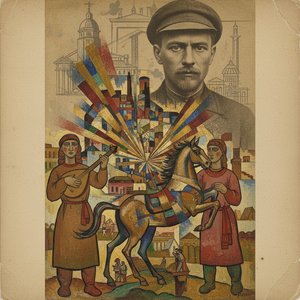
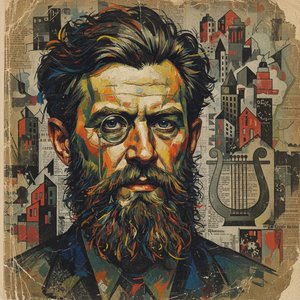
1910. , 42.0 x 59.0 cm.

§ 1Catalogue data

- 42.0 x 59.0 cm


§ 2Abstract
컬렉션 상세 정보
Experience the raw energy of Konchalovsky's 'Bullfight. Study.' - a vibrant Expressionist depiction of courage, danger, and man versus beast. Explore his bold colors & dynamic brushstrokes.
 상세 보기
상세 보기
작가 소개
혁명과 변화의 시대를 기록한 러시아 화가 표트르 콘찰로프스키(1876-1956). 인상주의, 포비즘, 사회주의 리얼리즘을 융합한 독창적인 스타일로 풍경화, 초상화 등 다채로운 작품 세계를 펼쳤습니다. 러시아 미술사에 중요한 발자취를 남긴 그의 예술을 만나보세요.
§ 3Commentary
A Dynamic Encounter: Pyotr Konchalovsky's "Bullfight. Study."
This striking artwork by Pyotr Konchalovsky, titled “Bullfight. Study.,” captures a moment of intense drama and raw emotion within the traditional spectacle of bullfighting. Created in 1910, it’s more than just a depiction; it's an exploration of courage, danger, and the complex relationship between man and beast rendered with expressive force.
Style & Technique: Expressionism Meets Russian Modernism
Konchalovsky’s style here leans heavily towards Expressionism, prioritizing emotional impact over strict realism. The composition is deliberately unbalanced, drawing the viewer's eye directly to the confrontation between the bull and the matador. Notice the simplified forms – the bull a powerful mass of black, the figures blocky and defined by broad strokes. The technique utilizes oil paint applied with vigorous brushwork, creating a rough, impasto-like texture that adds to the sense of immediacy and energy. The flattened perspective further emphasizes the two-dimensional nature of the painting, characteristic of early 20th-century modern art movements.
Historical Context & Artistic Influences
This piece was created during a pivotal period in Russian art history. Konchalovsky was a founding member and chairman of the Knave of Diamonds group (also known as "Diamond Jacks"), a rebellious avant-garde collective that sought to synthesize modern European artistic breakthroughs with uniquely Russian elements. The group looked beyond traditional Western influences, drawing inspiration from indigenous Russian art forms like icons and folk illustrations ("lubok"). Konchalovsky himself was deeply influenced by Paul Cézanne and Vincent van Gogh, as evidenced in his bold use of color and simplified forms. His travels to Paris and Arles exposed him to these masters, shaping his artistic vision.
Symbolism & Emotional Impact
The bullfight itself is rich with symbolic meaning – representing courage, control, and the inherent dangers of life. The vibrant red cape acts as a visual anchor, sharply contrasting with the dark bull and muted figures, intensifying the tension. The agitated background of yellows and browns evokes heat and movement, contributing to an unsettling atmosphere. Konchalovsky doesn't merely depict a scene; he conveys a feeling – a sense of impending conflict and raw energy that resonates deeply with the viewer. The painting’s power lies in its ability to evoke these emotions through simplified forms and bold color choices.
A Timeless Expression of Human Struggle
“Bullfight. Study.” is a compelling example of Konchalovsky's artistic talent and his contribution to Russian modernism. Its dynamic composition, expressive style, and symbolic depth make it a captivating piece for art lovers, collectors, and interior designers alike. The painting’s enduring appeal lies in its universal exploration of human struggle against powerful forces – a theme that continues to resonate across cultures and generations.
질의응답
표트르 콘찰로프스키의 "Bullfight. Study."에서 주를 이루는 색상은 무엇인가요?
표트르 콘찰로프스키의 "Bullfight. Study."의 색채 정체성: Phthalo Green (#2f2625)이(가) 주를 이루는 Dark 팔레트.
표트르 콘찰로프스키의 "Bullfight. Study."의 색감은 선명한가요, 아니면 차분한가요?
"Bullfight. Study."의 채도는 Balanced Soft이며, 색채 강도는 Balanced입니다.
표트르 콘찰로프스키의 "Bullfight. Study."의 색감은 얼마나 강렬한가요?
표트르 콘찰로프스키의 "Bullfight. Study."에 사용된 색상들은 Balanced 강도를 띱니다.


 프린트 판매로 전환


 가로 또는 세로 중 어느 한 면이라도 105cm(약 41인치)를 초과하는 작품이나 복제화의 경우, 프레임은 분해된 키트 형태로 배송됩니다. 이는 안전한 배송을 보장하고 운송 중 발생할 수 있는 손상을 방지하기 위함입니다.