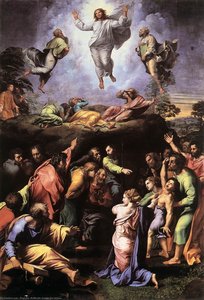
Oil On Canvas.

§ 1Catalogue data


§ 2Abstract
컬렉션 상세 정보
Experience the timeless beauty of Raphael's "Madonna and Child." This Renaissance masterpiece showcases serene grace & masterful composition, capturing divine love with vibrant colors & intricate detail.
 상세 보기
상세 보기
작가 소개
라파엘로(1483-1520): 르네상스 시대의 거장으로, '아테네 학당'과 아름다운 마돈나 그림으로 유명합니다. 우르비노 출신으로 고전적 이상미를 담은 작품들은 서양 미술사에 큰 영향을 미쳤습니다.
§ 3Commentary
The Serene Majesty of Raphael’s Madonna and Child
Raphael’s “Madonna and Child” stands as an enduring testament to the Renaissance ideal of beauty, harmony, and spiritual grace. Painted in the early 16th century, this oil on canvas masterpiece transcends mere representation; it embodies a profound sense of serenity and invites contemplation. More than just a portrait of the Virgin Mary cradling her infant son, Christ, it’s a carefully constructed visual poem, steeped in symbolism and executed with breathtaking technical skill. The painting's enduring appeal lies not only in its exquisite beauty but also in its ability to evoke a deep emotional response – a feeling of peace, reverence, and connection to the divine.
At first glance, the composition is remarkably balanced, adhering to classical principles of symmetry and proportion. Raphael masterfully employs a pyramidal arrangement, with Mary’s figure forming the stable base and Christ rising upwards towards the heavens. This deliberate structure creates a sense of visual stability and reinforces the painting's message of order and harmony. The color palette further contributes to this effect; warm reds and pinks – reminiscent of roses and pomegranate blossoms – dominate the scene, contrasted by cooler blues and greens in the background. These carefully chosen hues not only create depth and spatial awareness but also evoke a sense of warmth and intimacy.
A Symphony of Technique and Detail
Raphael’s mastery of technique is immediately apparent in every brushstroke. The artist demonstrates an exceptional understanding of *sfumato*, the subtle blending of colors to create soft, hazy effects – particularly evident around Mary's face and hands. This technique lends a remarkable sense of realism and softness to the figures, while simultaneously conveying their ethereal quality. The drapery is rendered with meticulous detail, cascading in elegant folds that add volume and movement to the composition. Notice, too, the delicate rendering of Christ’s tiny hand resting on Mary's breast – a gesture both tender and symbolic, representing divine love and nurturing.
Beyond the technical brilliance, Raphael’s use of linear perspective is noteworthy. The background landscape, though simplified, creates a convincing sense of depth, drawing the viewer into the scene. This technique, pioneered during the Renaissance, demonstrates Raphael's commitment to creating a realistic and immersive experience for the observer. The inclusion of two books – one near the center and another on the right – adds an intriguing layer of symbolism. These represent Mary’s role as both a teacher and a vessel of divine knowledge, reflecting her importance within Christian theology.
Renaissance Ideals and Spiritual Resonance
“Madonna and Child” is deeply rooted in the Renaissance ideals of humanism and classical beauty. Raphael sought to capture not just the physical likeness of Mary and Christ but also their spiritual essence – embodying virtues such as piety, grace, and compassion. The direct gaze of the infant Christ, looking directly at the viewer, establishes an immediate connection, inviting a sense of personal engagement with the divine. This intimate portrayal was revolutionary for its time, moving beyond traditional depictions that often emphasized Mary’s passive role.
The painting's significance extends far beyond its aesthetic qualities. It reflects the broader cultural and religious context of the early 16th century – a period marked by renewed interest in classical art and philosophy, alongside a fervent devotion to Christianity. The work served as a powerful visual reminder of faith, hope, and redemption, resonating deeply with audiences then and continuing to do so today. It’s no surprise that this iconic image has been reproduced countless times throughout history, cementing its place as one of the most beloved and recognizable works of art ever created.
Bringing Raphael's Masterpiece Home
AllPaintingsStore offers meticulously crafted hand-painted reproductions of Raphael’s “Madonna and Child,” allowing you to experience the beauty and artistry of this timeless masterpiece in your own home. Our skilled artists utilize traditional techniques, faithfully recreating every detail – from the subtle *sfumato* effects to the intricate folds of the drapery. Whether you're an art collector, a design enthusiast, or simply someone seeking to infuse their space with a touch of Renaissance elegance, our reproductions provide a stunning and authentic representation of this iconic work.
To explore more works by Raphael and discover the perfect reproduction for your collection, visit AllPaintingsStore. For a deeper understanding of Renaissance art and Raphael’s artistic journey, we invite you to visit our Renaissance Art page.
질의응답
"Madonna and Child"의 색감을 고려했을 때, 어느 공간에 전시하는 것이 가장 좋을까요?
Earthy 색조를 담은 라파엘로의 "Madonna and Child"는 Living Room에 배치하시길 추천드립니다. 이 작품의 색감이 이러한 제안의 이유이기도 합니다.
라파엘로의 "Madonna and Child"의 디지털 이미지는 어디에서 구매할 수 있나요?
"Madonna and Child"은(는) 디지털 이미지 페이지에서 직접 구매 가능한 고해상도 디지털 이미지 다운로드 형태로 제공됩니다.
라파엘로의 "Madonna and Child"을(를) 활용하기에 가장 좋은 용도와 공간은 무엇인가요?
라파엘로의 "Madonna and Child"은(는) Statement(을)를 위해 추천되며, Living Room에 배치하기에 가장 이상적입니다. 용도와 공간 정보를 함께 참고하여 작품의 위치를 결정해 보세요.



 프린트 판매로 전환


 가로 또는 세로 중 어느 한 면이라도 105cm(약 41인치)를 초과하는 작품이나 복제화의 경우, 프레임은 분해된 키트 형태로 배송됩니다. 이는 안전한 배송을 보장하고 운송 중 발생할 수 있는 손상을 방지하기 위함입니다.