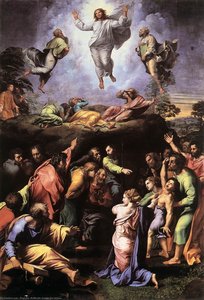
1514. 프레스코.

§ 1카탈로그 정보


§ 2추상
수집품 상세 설명
라파엘의 걸작을 목격하세요: 성 베드로의 해방은 로마 카톨릭 미술의 정수를 보여주는 고대 레오나르도 다 빈치 화가의 작품입니다. 이 프레스코는 교회의 기적적인 구원 장면을 담고 있으며, 바티칸 박물관에서 극도의 긴장감과 신성한 개입을 표현합니다.
 더 보기
더 보기
작가 프로필
라파엘로(1483-1520): 르네상스 시대의 거장으로, '아테네 학당'과 아름다운 마돈나 그림으로 유명합니다. 우르비노 출신으로 고전적 이상미를 담은 작품들은 서양 미술사에 큰 영향을 미쳤습니다.
§ 3해설
The Liberation of St. Peter, in the Stanza D'Eliodoro: A Renaissance Masterpiece
The Liberation of St. Peter, in the Stanza D'Eliodoro is a renowned fresco painted by Raphael (Raffaello Sanzio Da Urbino) in 1514. This masterpiece is part of the High Renaissance art movement and can be found in the Vatican Museums, specifically within the Stanza D'Eliodoro. It depicts a pivotal moment from Christian history where Saint Peter is freed from prison by an angel.
Historical Context & Artistic Significance
During the Italian Renaissance, artists like Raphael were commissioned by powerful figures such as Pope Julius II to create works that would reflect the grandeur and influence of the Catholic Church. The Italian Renaissance Art Movement, which spanned from the 14th to the 17th century, was characterized by a revival in classical learning, humanism, and artistic innovation. This fresco exemplifies these ideals through its balanced composition, realistic depiction of figures, and exploration of theological themes.
Key Elements & Symbolism
The painting is rich in symbolism and dramatic tension. Several key elements contribute to its impact:
- Dramatic Composition: The scene features a man in red clothing, believed to be Jesus or an angel, positioned near a barred window. This composition creates a sense of urgency and liberation.
- Figures and Movement: Saint Peter and the guards are depicted with remarkable realism, their expressions and postures conveying a range of emotions – fear, surprise, and bewilderment. The movement among these characters adds depth and dynamism to the painting.
- Lighting and Color: Raphael's masterful use of light and color enhances the emotional impact of the scene. The contrast between the darkness of the prison cell and the radiant glow emanating from the angel creates a powerful visual effect, drawing the viewer’s attention to the central figure.
- Symbolism: The angel represents divine intervention and God's power to overcome earthly constraints. Saint Peter's release symbolizes hope and faith in the face of adversity. The sleeping guards represent the blindness of those who oppose spiritual truth.
Raphael’s Technique & Legacy
As a fresco, The Liberation of St. Peter was painted directly onto wet plaster, requiring Raphael and his assistants to work quickly and efficiently. This technique allowed for vibrant colors and durable artwork that has endured for centuries. The painting showcases Raphael's exceptional skill in perspective, anatomy, and composition – hallmarks of the High Renaissance style. This work, along with other frescoes in the Stanza D’Eliodoro, reflects the artistic and cultural ambitions of the High Renaissance and continues to inspire artists and captivate audiences worldwide.
질의응답
라파엘로의 "성 베드로의 해방"은(는) 어떤 색채 조화를 보여주나요?
라파엘로의 "성 베드로의 해방"의 색채는 강한 색채 통일감 조화를 보여줍니다. 여기서 조화란 색상들이 서로 어떻게 어우러지는지를 의미합니다.
성 베드로의 해방은(는) 라파엘로의 예술적 경력 중 어느 시기에 해당하나요?
라파엘로의 작품 세계에서 "성 베드로의 해방"은(는) 성숙기 시기의 작품입니다. 이 시기는 작가의 다른 작품들과 비교해 보는 데 유용한 지표가 됩니다.
라파엘로의 "성 베드로의 해방"은 어느 시대의 작품인가요?
라파엘로의 "성 베드로의 해방"의 역사적 시기는 르네상스입니다. 이러한 분류는 미술사적 맥락에서 해당 작품의 위치를 정의합니다.


![Stanze Vaticane - The Liberation Of St Peter (detail) [02] — 라파엘로, Renaissance](/media/artworks/images-thumb/37/67/376727508005fdf6aba941d2691713fd.jpg)


![Stanze Vaticane - The Liberation Of St Peter (detail) [01] — 라파엘로, High Renaissance](/media/artworks/images-thumb/56/b1/56b164228e527303d62222f1b9e9aa13.jpg)


 프린트 판매로 전환


 가로 또는 세로 중 어느 한 면이라도 105cm(약 41인치)를 초과하는 작품이나 복제화의 경우, 프레임은 분해된 키트 형태로 배송됩니다. 이는 안전한 배송을 보장하고 운송 중 발생할 수 있는 손상을 방지하기 위함입니다.