


 실제 크기로 보기
 보내기
보내기 공유하기
공유하기
 상세 보기
상세 보기 가이드 보기

 이미지 다운로드
 유사 작품 더 보기
 X-레이
X-레이 슬라이드 쇼 보기
 Q&A
Q&A 통계 정보
통계 정보Large check

 상세 보기
상세 보기
이 페이지에 표시된 작품은 저작권법의 보호를 받으며, 이에 따라 동일한 복제품을 제작하거나 판매하는 것은 법으로 금지되어 있습니다. 이러한 권리 보호는 다음과 같은 국제 협약에 따라 시행됩니다. 베른 협약 또한 다음에서 명시하는 법률을 포함한 국내법에 의해 보호됩니다. 미국 저작권법 제17조.
이 방식은 저작권 보호를 받는 예술 작품을 복제하거나 그대로 재현하는 것이 아니기에 저작권 규정을 완벽히 준수합니다. 대신, 이는 창의적인 재해석의 과정을 거칩니다. 즉, 원작에서 영감을 받되 원작과 동일하지 않은 새로운 회화 작품을 의미합니다.
지클레 / 아트 프린트
빠른 제작과 다양한 마감 옵션을 선택할 수 있는 박물관 수준의 지클레이 및 캔버스 프린트. ( 수작업 채색 복제본 주문하기 디지털 이미지 판매 채널로 전환)




P118B ₩10

P118H ₩10

P118W ₩10

P438Z ₩10

P508JH ₩12

P508YH ₩12

P805H ₩10

P805Z ₩10

P919BZ ₩10

P919G ₩10

P919XJ ₩10

P959ZH ₩10

P968JZ ₩12

W106C ₩8

W218G ₩10

W218JH ₩8

W218Y ₩10

W307PJ ₩10

W316G ₩10

W316PJ ₩8

W316Y ₩10

W398PJ ₩8

W4111J ₩10

W500HY ₩15

W500JH ₩15

W692G ₩12

W849H ₩8

W940BG ₩15

W953PJ ₩8




작품의 원본 비율을 그대로 유지하는 프리셋 사이즈 중에서 선택해 보세요.

액자나 벽면 크기에 맞춰 필요한 가로와 세로 길이를 입력해 주세요. 프린트는 원본 이미지보다 크게 제작할 수 없으며 오직 자르는 것만 가능하므로, 비율이 다른 사이즈를 선택할 경우 이미지의 일부가 잘려 나갈 수 있습니다. 인쇄 작업에 들어가기 전, 최종 확인을 위해 디지털 목업을 보내드립니다. 이 페이지에 표시된 이미지는 실제 잘리는 영역을 나타내지 않으며, 오직 목업을 통해서만 정확한 확인이 가능합니다.


 유리 옵션은 110cm 미만 크기에서만 선택 가능합니다.

Large check
지클레 / 아트 프린트
복제본 규격
-


총 결제 금액
₩ 86069
관련 작품들




작가 소개
차용의 설계자: 셰리 레빈의 삶과 유산
셰리 레빈은 현대 미술의 중추적인 인물로, 포스트모더니즘의 지평 안에서 독창성과 저작권이라는 개념에 근본적인 의문을 제기하며 '차용(appropriation)'이라는 선구적인 탐구를 선보였습니다. 1947년 미국 펜실베이니아주 헤이즐턴에서 태어난 레빈의 형성기는 미국 중서부의 정취 속에서 빚어졌으며, 특히 미주리주 세인트루이스 근교에서 보낸 유년기와 청소년기는 그녀의 예술적 토대가 되었습니다. 어린 시절부터 시작된 시각 문화에 대한 깊은 매료는 세인트루이스 미술관 방문과 함께 시작되었습니다. 불과 여덟 살이었던 그녀는 열정적인 화가였던 어머니를 통해 예술적 표현이 지닌 변혁적인 힘을 목격했습니다. 이러한 가족적 영향은 단순한 관찰 그 이상이었습니다. 레빈의 어머니는 그녀에게 예술 영화와 영화적 서사에 대한 애정을 심어주었으며, 이는 훗날 시각적 역사의 층위들을 깊이 있게 파고드는 그녀만의 미학적 감수성을 형성하는 밑거름이 되었습니다.
레빈은 엄격한 헌신을 바탕으로 학문적 여정을 이어갔으며, 1969년 위스콘신 대학교 매디슨 캠퍼스에서 학사 학위를 취득했습니다. 이러한 학술적 탐구는 미술사와 비평 이론에 대한 이해를 공고히 해주었고, 개념적 탐구에 전념할 수 있는 예술가로서의 기반을 마련해주었습니다. 이후 위스콘신 대학교에서 계속해서 수학하며 1973년 미술 석사(M.F.A.) 학위를 받은 그녀는 예술적 기량을 연마하고 시각적 커뮤니케이션에 대한 접근 방식을 정교화했습니다. 바로 이 시기에 레빈은 자신만의 독창적인 스타일, 즉 의도적인 차용이라는 행위를 발전시키기 시작했습니다. 그녀는 워커 에반스, 에드가 드가, 마르셀 뒤샹, 콘스탄틴 브랑쿠시와 같은 모더니즘 거장들의 혁신적인 작품들로부터 영감을 얻었습니다. 이미 존재하는 이미지를 재제시함으로써, 그녀는 무한한 복제가 가능한 시대에 '창조'한다는 것이 진정 무엇을 의미하는지 심도 있게 질문하고자 했습니다.
재촬영과 드로잉을 통한 캐논에 대한 도전
1970년대 후반, 뉴욕 이스트 빌리지의 예술계에서는 기존의 예술적 관습에 의문을 제기하려는 열망이 분출되며 차용 예술의 물결이 일었습니다. 루이스 로울러, 바바라 크루거와 같은 동시대 작가들과 함께 레빈은 창의성의 경계를 확장하며, '원본'이라는 걸작이 지닌 신성함에 도전하는 운동의 저명한 목소리로 자리매로 잡았습니다. 그녀의 작업은 종종 기존의 사진을 다시 촬영하는 '재촬영(rephotography)' 기법을 활용하여 과거와 현재 사이에 대화를 생성합니다. 이 기술을 통해 그녀는 예술가의 손길이 만들어내는 전통적인 아우라를 걷어내고, 대신 이미지가 시간을 관통하며 어떻게 유통되고 지속되며 변형되는지에 집중합니다.
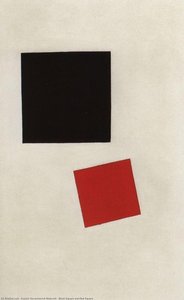
사진적 개입을 넘어, 레빈은 초기 모더니즘의 움직임을 반향하기 위해 미니멀리즘 드로잉의 황량함을 탐구하기도 했습니다. 그녀의 1984년 작, 무제 (말레비치와 쉬레를 따라서)는 이러한 기법의 심오한 사례를 보여줍니다. 이 작품에서 그녀는 미니멀한 그래파이트(흑연)를 사용하여 카지미르 말레비치와 에곤 쉬레의 선구적인 정신을 참조하는 기하학적 추상을 만들어냅니다. 이러한 드로잉을 통해 레빈은 단순히 모방하는 것에 그치지 않습니다. 그녀는 선조들의 시각 언어 속에 머물며, 극명한 선과 그림자를 사용하여 예술적 독창성에 대한 대담한 도전을 구현합니다. 이 작업은 미술사의 깊은 곳과 맞닿아 있으면서도 동시에 그 근간이 되는 신화들을 해체해내는 그녀의 능력을 여실히 보여줍니다.
역사적 의의와 포스트모던적 대화
셰리 레빈이 지닌 영속적인 가치는 '보는 행위'를 '비판적 비평의 행위'로 전환시킨 능력에 있습니다. 그녀의 커리어는 재현의 정치학, 젠더, 그리고 이미지 소유권에 대한 끊임없는 탐구 과정이었습니다. 남성 거장들의 작품을 재탈환함으로써 그녀는 페미니즘적 개입을 수행했으며, 이는 시선을 미묘하게 이동시키고 미술사적 캐논에 내재된 가부장적 구조에 의문을 던지는 계기가 되었습니다.
그녀의 예술적 공헌은 다음과 같은 몇 가지 핵심적인 기둥으로 요약될 수 있습니다:
- 저작권 개념의 재구성: 레빈의 작업 방식은 관람자로 하여금 창조자와 큐레이터 사이의 모호해진 경계를 직시하게 만들며, '선택'이라는 행위 자체를 일차적인 창조적 힘으로 격상시킵니다.
- 모더니즘 유산과의 교감: 워커 에반스와 말레비치 같은 인물들을 차용함으로써, 그녀는 모더니즘의 토대를 비판하는 동시에 그 대화의 맥락을 생생하게 유지합니다.
- 유동하는 이미지의 힘: 그녀의 작업은 의미라는 것이 대상 안에 고정된 것이 아니라, 시각 문화의 맥락, 반복, 그리고 재제시를 통해 생성된다는 점을 강조합니다.
오늘날 레빈은 미술계에서 여전히 중요한 존재로 남아 있습니다. 그녀의 작품은 디지털 복제, 지적 재산권, 그리고 현대 시대에 끊임없이 진화하는 이미지의 본질에 관한 지속적인 논쟁 속에서 계속해서 깊은 울림을 주고 있습니다.

셰리 레빈
1947 - , 미국
작가 정보 요약
- Artistic Movement Or Style: 차용 예술 (Appropriation Art)
- Artists Or Movements Influenced By This Artist:
- 루이즈 로울러
- 마이크 비들로
- Artists Who Influenced This Artist:
- 워커 에반스
- 마르셀 뒤샹
- Date Of Birth: 1947년
- Full Name: 셰리 레빈
- Nationality: 미국인
- Notable Artworks:
- 무제 (워커 에반스를 따라서)
- 무제 (말레비치와 쉬레를 따라서)
- Place Of Birth: 미국 헤이즐턴
관련 기사

카지미르 말레비치 최고작 25선: 추상 미술의 혁신과 영감을 만나다 | AllPaintingsStore
카지미르 말레비치의 최고작 25선을 만나보세요. 추상 미술의 혁신적인 세계, 슈프레마티즘의 정수를 담은 작품들의 이야기와 영감을 AllPaintingsStore에서 경험하세요. 고품질 아트 프린트와 인테리어 데코 아이디어를 지금 바로 확인하세요! AllPaintingsStore.com

추상표현주의를 정의한 10대 걸작: 예술과 인테리어의 새로운 영감
추상표현주의의 심장을 뛰게 한 10대 걸작을 만나보세요. 폴록, 로스코 등 거장의 작품 비하인드 스토리와 예술적 영감을 AllPaintingsStore에서! 지금 바로 미술품 컬렉션을 탐험하고, 당신의 공간에 특별한 예술적 감성을 더하세요. AllPaintingsStore.com
Mastering Abstraction: The 25 Most Iconic Works by Wassily Kandinsky
Explore 25 iconic Kandinsky masterpieces and the birth of abstraction. Discover the full collection online at AllPaintingsStore.com.

Verdant Visions: Exploring the Symbolism & Aesthetic Impact of Green in Art History
Explore the rich history & symbolism of green in art! Discover iconic paintings, techniques, and how to bring verdant harmony into your home with AllPaintingsStore's expert guide.

기하학적 추상 미술을 정의한 명작 10가지 | AllPaintingsStore.com
몬드리안, 말레비치 등 거장들의 기하학적 추상 미술 명작 10선을 만나보세요. 각 작품의 예술사적 의미와 색채, 구성을 탐구하고 AllPaintingsStore.com에서 고품질 아트 프린트를 소장하세요. 지금 바로 온라인 컬렉션을 확인하세요!