

International Gothic · 1312
Window (시모네 마르티니, 1312)
Window is a work by 시모네 마르티니 (1284–1344). It dates from 1312. It belongs to the International Gothic movement. It is made in Acrylic On Canvas.
- 1312
- Acrylic On Canvas

 미리보기

 프린트 구매하기
 공유하기
 공유하기
 가이드 보기


 다운로드
 유사 작품 더 보기
 X-레이
 슬라이드 쇼 보기
 질의응답

 통계 정보
Window: key details
- Title
- Window
- Artist
- 시모네 마르티니 (1284–1344)
- Artist born in
- 시에나, 이탈리아
- Date
- 1312
- Medium
- Acrylic On Canvas
- Movement
- International Gothic
- Subject
- stained_glass, medieval_art, siena, martini, religious_imagery, italian_painting
About Window
Simone Martini’s Window: A Fragment of Siena’s Gothic Soul
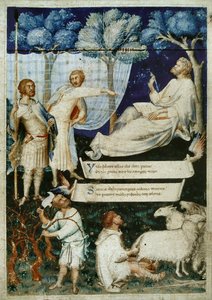
The painting “Window” by Simone Martini—a masterpiece executed in 1312—isn't merely an image; it’s a portal into the artistic fervor and spiritual contemplation of Siena during its zenith as a medieval principality. More than just depicting a simple architectural element, Martini transforms this commonplace feature into a vehicle for profound symbolism and masterful execution, embodying the very essence of International Gothic style. Its unassuming appearance belies the intricate artistry that defines it.- Subject Matter: The composition centers around a stained glass window—a motif prevalent in Sienese churches at the time—illuminated by diffused light. Within its frame are meticulously rendered figures, including human forms and avian creatures – doves symbolizing peace and divine grace – creating a harmonious blend of earthly and celestial realms.
- Style: Martini’s work exemplifies International Gothic style, characterized by delicate lines, luminous colors, and an emphasis on elegance and refinement. Unlike the harsher realism championed by Giotto di Bondone, Martini prioritizes beauty and expressive detail, prioritizing visual impact over strict anatomical accuracy. This stylistic choice reflects Siena's cultural aspirations during a period marked by papal patronage and artistic innovation.
- Technique: Martini employed tempera paint on panel—a technique favored for its vibrancy and durability—allowing him to achieve astonishing levels of color saturation and textural nuance. The artist’s meticulous layering of glaze, combined with painstaking attention to detail in rendering drapery folds and facial expressions, speaks volumes about his dedication to craftmanship.
Historical Context: Siena Under Papal Influence
Siena flourished as a center of papal diplomacy and artistic production during the early 14th century. The papacy actively encouraged artistic endeavors, fostering a competitive environment where artists like Martini sought to elevate their reputations through ambitious commissions—particularly those honoring religious saints. This patronage fueled stylistic experimentation and ensured that Siena’s art would resonate across Europe. Martini's "Window" stands as testament to this era of cultural dynamism and papal ambition.Symbolism: Light, Faith, and Divine Harmony
The window itself serves as a potent symbol—representing divine illumination and the gateway to spiritual understanding. The doves adorning the composition reinforce this theme, symbolizing purity, peace, and the Holy Spirit’s presence. Martini skillfully integrates these visual cues into a carefully balanced composition that reflects Siena's devout Catholic faith. The artist’s deliberate use of color—particularly blues and golds—further enhances the painting’s spiritual aura, conveying grandeur and transcendence.Emotional Impact: A Moment Frozen in Time
“Window” transcends mere representation; it evokes a feeling of serene contemplation and wonder. Martini's masterful rendering captures not only the visual beauty of the stained glass but also its emotional resonance—a reflection of Siena’s artistic spirit and its unwavering belief in divine grace. Viewing this artwork is akin to stepping back into a moment frozen in time, allowing oneself to be transported by the artistry and symbolism of a bygone era. It remains an enduring emblem of Gothic elegance and a captivating glimpse into the soul of medieval Siena.Window: image files

시모네 마르티니, Window (1312). Public domain.
A digital expert checks the colors against the original painting and retouches the file, faithful to the artist's brushwork.
Buy the high-resolution imageQuestions about Window
"Window"은(는) 무엇을 묘사하고 있으며, 어떤 분위기를 풍기나요?
"Window"은(는) stained_glass, medieval_art, siena, martini, religious_imagery, italian_painting, figurative_composition을(를) 담아내며, Elegant한 분위기를 자아냅니다.
시모네 마르티니의 "Window"의 프린트 제품은 어디에서 구매할 수 있나요?
시모네 마르티니의 "Window"의 기법은 무엇인가요?
시모네 마르티니의 "Window"은(는) 어떤 공간에 잘 어울릴까요?
"Window"의 복제본은 Living Room에 잘 어울립니다.
시모네 마르티니의 "Window"을(를) 활용하기에 가장 좋은 용도와 공간은 무엇인가요?
About 시모네 마르티니
1284–1344, 이탈리아
시모네 마르티니
시몬 마르티니의 삶과 정체성 1284년경 이탈리아 시에나에서 태어난 시몬 마르티니는 격동하는 시대의 흐름을 그대로 투영하며 살아온 예술가였습니다. 시몬 디 마르티노라는 이름으로도 알려진 그는 초기 이탈리아 회화 발전의 중심적 인물이었습니다. 그의 예술적 존재감은 토스카나의 심장부에서부터 프랑스의 교황청에 이르기까지 널리 퍼져 있었으며, 이는 그의 예술적 영향력이 태어난 고향을 훨씬 넘어섰음을 보여줍니다. 그는 시대의 언어를 깊이 이해한 화가였으며, 유럽의 종교적, 시민적 중심지들을 흔들림 없는 목적의식을 가지고 누비며 예술적 발자취를 남겼습니다.
Other works by 시모네 마르티니
 수태고지와 두 성인1333
 성 마르가리타와 성 안사누스가 함께하는 수태고지1333
 St Clare and St Elizabeth of Hungary1317
 툴루즈의 성 루이 제단 (세부)1317
Articles on Window
 The Golden Elegance of Sienese Gothic: The Narrative Art of Duccio and Simone MartiniExplore the evolution of Sienese Gothic art from Duccio to Martini. Discover the masters of gold and grace now.
 Masterpieces of Siena: Top 25 Artworks by Duccio di BuoninsegnaJourney through the Sienese School with our curated guide to the top 25 artworks by Duccio di Buoninsegna. Explore the divine beauty of Byz…
 14th century Italian paintersMasterpieces by Giotto and Duccio define the Trecento era. Explore museum-quality reproductions on AllPaintingsStore.com.