


 실제 크기로 보기
 보내기
보내기 공유하기
공유하기
 상세 보기
상세 보기 가이드 보기

 이미지 다운로드
 유사 작품 더 보기
 X-레이
X-레이 슬라이드 쇼 보기
 Q&A
Q&A 통계 정보
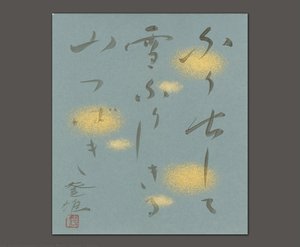
통계 정보Snow Falling

 상세 보기
상세 보기
웹 미리보기 화면을 훨씬 뛰어넘는 인쇄용 파일을 만나보세요. 저희가 판매하는 모든 디지털 이미지는 스톡 데이터베이스 내의 고해상도 마스터 파일(일반적으로 가로 5,000~15,000픽셀)을 기반으로 합니다. 따라서 대형 인쇄나 정밀한 크롭 작업 시에도 세밀한 디테일을 자신 있게 구현할 수 있습니다.
저희 스튜디오를 거치는 모든 파일은 정교한 손길을 거칩니다. 디지털 전문가가 원작과 대조하여 색상을 점검하고 필요 시 보정하며, 전문 리터칭 도구를 사용하여 선명도와 디테일을 높입니다. 이 과정에서 작가의 붓 터치와 화풍을 충실히 유지하는 것을 원칙으로 합니다. 그 결과, 단순한 스캔본에 필터를 입힌 듯한 느낌이 아닌, 마치 실제 회화 작품을 보는 듯한 이미지를 구현해냅니다.
최종 완료 전 확인 단계가 있습니다. 전문가가 검토하실 수 있도록 72시간 이내에 이메일로 이미지를 보내드립니다. 결과물이 만족스럽지 않으신가요? 수정이나 보완을 요청하시거나, 품질이 기대에 미치지 못할 경우 환불을 요청하실 수 있습니다.
출판사, 디자인 스튜디오, 갤러리 및 인쇄소가 신뢰하는 바로 그 품질입니다.
디지털 이미지
개인 소장 및 전시, 인쇄, 창작 프로젝트를 위한 고해상도 파일을 다운로드하세요. ( 프린트 판매로 전환 수작업 채색 복제본 주문하기)
모든 디지털 이미지 주문 시 제공되는 혜택
전문적인 디지털 이미지 전송 보장
AllPaintingsStore.com를 선택하시면 단순히 이미지를 받는 것을 넘어, 정밀한 보정 과정을 거쳐 완성된 전문적인 디지털 예술 작품을 만나보실 수 있습니다. 모든 작품에는 만족 보장 서비스가 함께 제공되며, 주문 시 다음과 같은 사항들이 자동으로 포함됩니다:

빠른 이메일 수령
주문 후 72시간 이내에 고해상도 디지털 이미지 파일이 이메일로 발송되며, 즉시 사용하실 수 있습니다.

AI 기술로 최적화된 디지털 파일
귀하의 작품은 고급 AI 기술과 정교한 수동 편집 과정을 거쳐 전문적으로 최적화되며, 이를 통해 디테일과 선명도, 색상의 정확도를 극대화합니다.

평생 무료 재전송 서비스
파일을 실수로 삭제하거나 분실하셨나요? 걱정 마세요. 언제든 무료로 다시 보내드립니다.

추가 수입 비용 없음 - 언제나
관세나 부가세, 배송비 부담 없이 작품을 즉시 소장하세요 - 디지털 다운로드는 언제나 면세 혜택이 적용됩니다.

정확한 색상 보장
전문적인 도구와 색상 관리 시스템을 통해 디지털 이미지가 원본의 색상을 최대한 정확하게 구현하도록 보장합니다.

100일 만족 보장제
구매하신 디지털 이미지에 만족하지 못하실 경우, 100일 이내에 별도의 조건 없이 수정 또는 100% 환불을 진행해 드립니다.

100% 환불 보장
만족스럽지 않으신가요? 디지털 파일을 받으신 후 100일 이내에 조건 없이 전액 환불해 드립니다.

대량 주문 할인
이미지 3매 구매 시 10% 할인 - 5매 구매 시 15% 할인 - 10매 이상 구매 시 20% 할인. 크리에이티브 프로젝트, 갤러리, 에이전시에 매우 유용합니다.
관련 작품들




아티스트 프로필
A Life Etched in Haiku: The Poetic World of Sumio Mori
Sumio Mori, born in Nagasaki, Japan, in 1919, was a figure whose life became inextricably linked with the delicate art of haiku. Though his early years saw a relocation to Himeji, the coastal beauty of Nagasaki remained a foundational influence, subtly shaping the imagery and sensibility that would define his poetic voice. Mori wasn’t merely a practitioner of this traditional form; he was a revitalizer, deeply invested in preserving the spirit of pre-modern *haikai* while simultaneously forging a path for contemporary expression. His journey reflects a profound engagement with nature, a quiet introspection on the passage of time, and an unwavering dedication to capturing fleeting moments of beauty within the concise structure of seventeen syllables.The Haikai Tradition and Early Development
Mori’s artistic lineage is rooted in the *haikai* tradition—a more playful, often humorous precursor to haiku that flourished during the Edo period. This early exposure instilled in him a respect for the form's historical depth and its capacity for both profound observation and subtle wit. His father, Sadatake Mori (writing under the pen name Fuyuhiko), was himself a haiku poet connected with the influential *Hototogisu* magazine, providing a crucial initial mentorship. This familial influence nurtured Mori’s nascent talent, encouraging him to explore the natural world as a source of poetic inspiration. He began composing haiku at a young age, absorbing the rhythms and conventions of the form while developing his own unique perspective. His formal education at Kyushu University likely broadened his intellectual horizons, but it was the immersive experience of Nagasaki's port city environment—a blend of maritime culture and seasonal shifts—that truly ignited his poetic sensibility.A Voice for Nature: Themes and Style
Mori’s haiku are characterized by a remarkable clarity and evocative power. He eschewed grand pronouncements or overt emotional displays, instead focusing on the precise depiction of natural phenomena. A riverbed of rocks, a single white peach peeled in sunlight, the quiet passing of water—these seemingly simple observations become portals to deeper contemplation. His work often centers around *kigo*, seasonal words that anchor the poem within a specific time and place, creating a sense of immediacy and connection to the cyclical rhythms of nature. He wasn’t simply recording what he saw; he was attempting to distill the essence of an experience, capturing its fleeting beauty before it vanished. This dedication to observation and precision earned him recognition as one of Japan's leading haiku practitioners in the mid-20th century.Recognition and Legacy: Awards and Influence
Sumio Mori’s contributions to the world of haiku were widely acknowledged during his lifetime, culminating in prestigious awards that solidified his position within the literary landscape. He received the Yomiuri Prize for Poetry in 1977 for his collection *Riso*, a testament to the enduring quality and artistic merit of his work. Further recognition came with the Dakotsu Prize in 1987, honoring his profound impact on haiku artistry. Beyond these accolades, Mori’s influence extended through his role as editor of the influential haiku journal *Kanrai* (Cold Thunder) from 1957 to 1971. As editor, he championed both pre-modern traditions and emerging voices, fostering a vibrant community of poets and shaping the direction of contemporary haiku literature. He was also honored as a Person of Cultural Merit, acknowledging his significant contributions to Japanese arts and culture.Historical Significance: A Bridge Between Tradition and Modernity
Sumio Mori’s legacy lies in his ability to bridge the gap between tradition and modernity within the art of haiku. He didn't simply replicate the forms of the past; he infused them with a contemporary sensibility, creating works that resonated with both seasoned practitioners and new audiences. His dedication to *haikai* traditions ensured the preservation of this vital aspect of Japanese poetic heritage, while his emphasis on personal introspection and evocative imagery broadened the scope of haiku expression. Mori’s poetry continues to inspire global haiku communities through its depth, fidelity to seasonal observation, and quiet beauty—a testament to the enduring power of seventeen syllables to capture the essence of a fleeting moment in time. He passed away in Tokyo in 2010, leaving behind a body of work that stands as a profound meditation on nature, time, and the human experience.
Sumio Mori
1919 - 2010 , Japan
핵심 정보
- Full Name: Sumio Mori
- Nationality: Japanese
- Date Of Birth: 1919
- Date Of Death: 2010
- Place Of Birth: Nagasaki, Japan
- Notable Artworks: ['Snow Falling']
- Artistic Movement Or Style: Haiku poetry