1543. Oil On Canvas, 242.0 x 361.0 cm. 쿤스트히스토리스체 박물관.

§ 1Catalogue data

- 242.0 x 361.0 cm


§ 2Abstract
컬렉션 상세 정보
Witness Titian's poignant 'Ecce Homo,' depicting Christ before Pilate. This masterpiece showcases delicate blues, pinks, and yellows – a rare beauty from the Venetian Renaissance. Explore its rich history & artistic significance.
 상세 보기
상세 보기
작가 소개
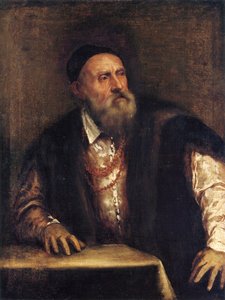
피에베 디 카도레 이탈리아 티치아노 티치아노 베첼리오 르네상스 시대 최고의 베네치아 화가 티치아노! 섬세한 색채와 빛의 사용, 인물화, 신화 및 종교화를 통해 예술사에 큰 족적을 남겼습니다. 그의 작품은 오늘날에도 전 세계 미술관에서 감동을 선사합니다. 르네상스, 베네치아 회화 서구 예술가 레오나르도 다 빈치 약 1490년 1576년 티치아노 베첼리오 이탈리아인 퀼트 소매의 남자 이탈리아 피에베 디 카도레 피렌체 3 티치아노는 어디에서 예술적 수련을 시작했습니까?
§ 3Commentary
The Lamentation – A Window into Venetian Soul
Titian’s “Ecce Homo,” a pivotal work from around 1543, isn't merely a depiction of the biblical moment when Pontius Pilate presents Jesus to a hostile crowd; it’s a profound meditation on grief, faith, and the unsettling beauty of suffering. This particular iteration, distinguished by its remarkably delicate color scheme – the deep blues of the cloak, the blush of the garment, and the saffron yellow of the veil – offers a glimpse into Titian's mastery of light and emotion, a hallmark of his Venetian style. The painting’s genesis is shrouded in some mystery; inventories suggest it may have been one of several works, including a wooden Madonna, that accompanied Charles V to the monastery of Yuste, hinting at its significance as a devotional object intended for private contemplation.
Titian's approach transcends simple narrative illustration. He doesn’t simply record an event; he imbues it with a palpable sense of sorrow and vulnerability. The composition itself is carefully orchestrated: Jesus, presented in a pose that simultaneously conveys humility and profound pain, dominates the scene. His hands, clasped together as if in prayer or supplication, are rendered with exquisite detail – every crease and line etched with an almost unbearable weight. The figures surrounding him—soldiers, onlookers—are sketched with swift, confident strokes, their expressions ranging from indifference to veiled hostility, further amplifying the central figure’s isolation.
A Masterclass in Venetian Color and Technique
Executed in oil on canvas, “Ecce Homo” exemplifies Titian's revolutionary use of color. He wasn’t simply applying pigment; he was manipulating light and shadow to create an illusion of depth and atmosphere. The blues are not uniform but layered with subtle variations, suggesting the folds of the cloak and the play of light on the fabric. The pink garment is treated with a delicate glazing technique, creating a luminous quality that seems to emanate from within. This masterful handling of color was revolutionary for its time, moving away from the flat, monochrome styles prevalent in Northern Europe.
Titian’s brushwork is equally remarkable. It's loose and expressive, yet remarkably controlled. He employs a technique known as “alla prima,” meaning he completed the painting in a single session, allowing for spontaneity and immediacy. Notice how he builds up layers of color with thin washes, creating a sense of transparency and luminosity. The details—the texture of the veil, the folds of the garments, the expressions on the faces—are rendered with astonishing precision, demonstrating Titian’s unparalleled skill as a portraitist and his deep understanding of human anatomy.
Historical Context and Symbolic Resonance
To understand “Ecce Homo,” it's crucial to consider its historical context. Painted in the 1540s during a period of religious upheaval and political instability, the image resonated deeply with viewers grappling with questions of faith, justice, and human responsibility. The scene itself—the presentation of a condemned man to a crowd—served as a potent metaphor for the complexities of power and the moral dilemmas faced by those in authority. The very title, “Behold the Man,” is laden with significance, challenging viewers to confront the humanity of Jesus and question their own complicity in his fate.
Furthermore, the inclusion of horses within the scene adds an intriguing layer of symbolism. While seemingly incongruous, they likely represent Roman authority and imperial power—a visual reminder of the forces that ultimately condemned Christ. The presence of these animals underscores the painting’s broader commentary on the intersection of faith, politics, and human nature.
A Timeless Appeal – Reproduction Possibilities
AllPaintingsStore offers meticulously crafted hand-painted reproductions of “Ecce Homo,” allowing art lovers to experience Titian's masterpiece in stunning detail. Our skilled artisans replicate every nuance of color, texture, and brushwork, ensuring that the reproduction captures the emotional depth and artistic brilliance of the original. Whether you’re seeking a statement piece for your home or office, or a unique gift for an art enthusiast, our reproductions provide an authentic and captivating representation of this iconic work.
Explore our range of sizes and framing options to find the perfect “Ecce Homo” reproduction that complements your personal style. Each reproduction is created with archival-quality materials, guaranteeing its longevity and preserving the beauty of Titian’s vision for generations to come.
질의응답
제 방에 "Ecce Homo"을(를) 어떤 사이즈로 프린트하는 것이 좋을까요?
Living Room 공간에는 티치아노의 "Ecce Homo" 작품을 Large 크기로 인쇄하시는 것을 추천합니다.
티치아노의 "Ecce Homo"의 실제 크기는 어떻게 되나요?
"Ecce Homo"의 원작 크기는 242 x 361 cm입니다. 원작의 규격은 복제본(reproduction) 사이즈를 선택할 때 유용한 참고 자료가 됩니다.
"Ecce Homo"은(는) 티치아노의 예술 활동기 중 어느 시기에 해당하나요?
티치아노의 작품 활동 중 "Ecce Homo"은(는) Late Renaissance 시기에 해당합니다. 이 시기는 작가의 다른 작품들과 비교해 보는 데 도움이 됩니다.


 프린트 판매로 전환


 가로 또는 세로 중 어느 한 면이라도 105cm(약 41인치)를 초과하는 작품이나 복제화의 경우, 프레임은 분해된 키트 형태로 배송됩니다. 이는 안전한 배송을 보장하고 운송 중 발생할 수 있는 손상을 방지하기 위함입니다.