

Romanticism
Cerberus (second version) (윌리엄 블레이크)
Cerberus (second version)은(는) 윌리엄 블레이크 (1757–1827)의 작품입니다. Romanticism 운동에 속합니다. Acrylic On Canvas(으)로 제작되었습니다.
- Acrylic On Canvas

 미리보기

 프린트 구매하기
 공유하기
 공유하기
 학습용 요약본


 다운로드
 유사 작품 더 보기
 X-레이
 슬라이드 쇼 보기
 질의응답

 통계 정보
Cerberus (second version): 주요 정보
- 제목
- Cerberus (second version)
- 작가
- 윌리엄 블레이크 (1757–1827)
- 작가 출생지
- 런던, 영국
- 매체
- Acrylic On Canvas
- 운동성
- Romanticism
- 주제
- mythological creatures, dark fantasy, gothic art, blake’s style, hellhound, symbolism
Cerberus (second version)에는 무엇이 담겨 있나요?
A Vision of the Underworld: William Blake’s *Cerberus (second version)*
This striking painting by William Blake, *Cerberus (second version)*, plunges viewers into a dramatic and unsettling scene drawn from classical mythology. Unlike traditional depictions of the monstrous guardian of Hades, Blake's Cerberus is not simply a terrifying beast but a complex symbol interwoven with themes of creation, destruction, and the human condition. The artwork presents a multi-headed creature – reminiscent of a dragon as initially noted – actively consuming something amidst a gathering of figures, some cautiously observing while one daringly reaches out.Style & Technique: Romantic Imagination Unleashed
Blake’s style is distinctly *Romantic*, characterized by intense emotion, vivid imagination, and a rejection of strict academic conventions. He wasn't merely illustrating mythology; he was reinterpreting it through the lens of his own unique spiritual and philosophical beliefs. The painting exhibits Blake’s characteristic energetic brushwork and use of color – though specifics are difficult to ascertain without knowing the original medium (watercolor or oil is likely). His technique often involved building up layers of paint, creating a luminous quality that enhances the otherworldly atmosphere. This version, as indicated by its title, suggests an evolution from an earlier iteration, hinting at Blake’s continual refinement of his artistic vision.Mythological Roots & Symbolic Depth
Cerberus, in Greek mythology, is the multi-headed dog guarding the gates of the Underworld, preventing the dead from leaving and the living from entering without permission. Blake utilizes this potent symbol to explore deeper concepts. The act of *consumption* by Cerberus can be interpreted as representing the destructive forces inherent in existence – time, decay, or even societal corruption. The figures surrounding the beast are not merely witnesses; they represent humanity’s complex relationship with these forces: fear, curiosity, and a desperate attempt to understand or control them. The bridge and rocky landscape suggest a liminal space—a threshold between worlds, mirroring the psychological journey Blake often depicted in his work.Historical Context & Blake's Unique Vision
William Blake lived during a period of immense social and political upheaval – the late 18th and early 19th centuries. He was deeply critical of industrialization, materialism, and rigid religious dogma. His art served as a vehicle for expressing his radical ideas about spirituality, imagination, and human liberation. While many artists of his time focused on neoclassical ideals or realistic portrayals, Blake deliberately cultivated a visionary style that drew inspiration from the Bible, mythology, and his own prophetic visions. He was largely unappreciated during his lifetime but is now recognized as one of the most important figures in British art history.Emotional Impact & Lasting Legacy
*Cerberus (second version)* evokes a powerful emotional response – a mixture of awe, fear, and fascination. The painting’s unsettling imagery forces viewers to confront uncomfortable truths about mortality, destruction, and the darker aspects of human nature. However, it is not simply a depiction of despair. The reaching figure suggests a glimmer of hope—a desire for connection or understanding even in the face of overwhelming darkness. This artwork continues to resonate with audiences today because it taps into universal anxieties and aspirations, offering a profound meditation on the complexities of life and death. It’s a testament to Blake's genius that he could transform a classical myth into such a deeply personal and enduring work of art. For collectors and interior designers, a reproduction of this piece offers a bold statement, adding intellectual depth and dramatic flair to any space.Cerberus (second version): 이미지 파일
웹 이미지가 아닌 데이터베이스 내 고해상도 이미지를 기반으로 제작되었습니다: 최소 300 DPI. 원본과 대조하여 색상을 확인하였으며, 디지털 전문가의 리터칭 작업을 거쳤습니다.
고해상도 이미지 구매하기윌리엄 블레이크, Cerberus (second version).
윌리엄 블레이크 (1757–1827), Cerberus (second version), acrylic on canvas. 퍼블릭 도메인 이미지: AllPaintingsStore.com
Cerberus (second version)에 관한 질문
윌리엄 블레이크의 "Cerberus (second version)"의 기법은 무엇인가요?
윌리엄 블레이크의 "Cerberus (second version)"의 재료는 Acrylic On Canvas입니다. 복제화는 이 기법 특유의 질감을 그대로 구현하는 것을 목표로 합니다.
윌리엄 블레이크의 "Cerberus (second version)"에는 어떤 모습이 담겨 있나요?
"Cerberus (second version)"에 담긴 소재는 mythological creatures, dark fantasy, gothic art, blake’s style, hellhound, symbolism, medieval imagery, monster art입니다.
윌리엄 블레이크의 "Cerberus (second version)"의 이미지를 자유롭게 복제할 수 있나요?
윌리엄 블레이크의 "Cerberus (second version)"은(는) 퍼블릭 도메인 - 저작권 보호 기간이 만료되었습니다 상태입니다. 이 상태에 따라 해당 작품 이미지의 복제 가능 여부가 결정됩니다.
"Cerberus (second version)"은(는) 어느 작가의 작품인가요?
"Cerberus (second version)"의 작가는 윌리엄 블레이크입니다. 이 작품은 윌리엄 블레이크의 이름으로 등록되어 있습니다.
"Cerberus (second version)"은(는) 어떤 화풍에 속하나요?
윌리엄 블레이크의 "Cerberus (second version)"과(와) 관련된 미술 사조는 Romanticism입니다. 이러한 분류를 통해 해당 작품을 관련 작가 및 예술 작품들과 함께 파악할 수 있습니다.
"Cerberus (second version)"은(는) 윌리엄 블레이크의 예술적 발전 단계 중 어느 시기를 나타냅니까?
윌리엄 블레이크의 작품 세계에서 "Cerberus (second version)"은(는) Romantic 시기의 작품입니다. 이 시기는 작가의 다른 작품들과 비교해 보는 데 유용한 지표가 됩니다.
"Cerberus (second version)"의 저작권 상태가 왜 이렇게 지정되어 있나요?
윌리엄 블레이크의 "Cerberus (second version)"은(는) 퍼블릭 도메인 - 저작권 보호 기간이 만료되었습니다 상태입니다. 저작권 보호 기간은 작가 사후를 기준으로 산정되며, 윌리엄 블레이크은(는) 1827년에 작고하였습니다.
"Cerberus (second version)"은(는) 윌리엄 블레이크의 작품 세계와 화풍을 어떻게 반영하고 있나요?
"Cerberus (second version)"은(는) 윌리엄 블레이크의 다른 작품들과 마찬가지로 Romanticism 양식과 더불어 작가의 반복되는 주제인 blake's mythological vision, dark romantic symbolism, hellhound & medieval lore, religious allegory deep, critique of power structures, exploring human darkness, central to blake's style, visionary imagination를 공유합니다.
"Cerberus (second version)"은(는) 윌리엄 블레이크의 평소 작업 세계를 잘 보여주는 작품인가요?
윌리엄 블레이크의 작품 세계를 관통하는 주요 주제에는 blake's mythological vision, dark romantic symbolism, hellhound & medieval lore, religious allegory deep, critique of power structures, exploring human darkness, central to blake's style, visionary imagination가 포함되어 있으며, "Cerberus (second version)"은 특히 mythological creatures, dark fantasy, gothic art, blake’s style, hellhound, symbolism, medieval imagery, monster art에 초점을 맞추고 있습니다.
윌리엄 블레이크 소개
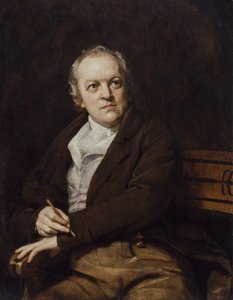
1757–1827, 영국
윌리엄 블레이크
유년 시절, 가족 그리고 예술적 훈련 윌리엄 블레이크는 1757년 11월 28일, 영국 런던에서 태어났습니다. 그는 브로드 스트리트 28번지에 위치한 아버지의 양말 가게 위층에서 성장했습니다. 그의 부모인 제임스 블레이크와 캐서린 라이트 아미티지 블레이크는 도시의 사회적 격변기 속에서도 그에게 안정적인 환경을 제공해 주었습니다. 비록 기술직 상인의 가족으로서 소박한 환경에서 자랐으나, 그의 어린 시절은 매우 독특하고 강렬한 상상력으로 점철되어 있었습니다.
윌리엄 블레이크 작가의 다른 작품
 옛적부터 항상 계신 이1794
 뉴턴
 고대의 존재1794
 큰 붉은 용과 해를 입은 여자
Cerberus (second version) 관련 기사
 Unveiling the Raw Emotion: The Top 25 Masterpieces by Francis Bacon1944 saw the creation of Three Studies for Figures at the Base of a Crucifixion. Trace the evolution of Bacon's visceral post-war style.
 25 Masterpieces by William Blake: The Visionary Art of a Romantic Legend1794's The Ancient of Days depicts Urizen imposing divine order upon the void. See the visionary works that defined a Romantic legend.
 The Language of Animals in Art: From Ancient Egypt to the RenaissanceExplore the profound history of animal symbolism from Egypt to the Renaissance. Trace these ancient motifs through art history now.