

Rococo 화가들 at a glance
100 Famous Rococo 화가들: The Complete List
앙투안 바토 (1684–1721) is the most famous Rococo 화가, best known for 질레 (Gilles) 및 Pierrot, formerly known as Gilles. Then 카날레토, 조반니 바티스타 티에폴로, 프랑수아 부셰 및 장오노레 프라고나르. The list covers 100 화가들 born between 1645 and 1818 in 19 countries, from 장 프랑수아 드 트로이 to 에두아르 오노레 아브.
Method. Scope: artists filed under Rococo in our catalogue. Order: our artist fame ranking. Excluded: artists born after 1955 without a Wikidata identifier. Wikipedia figure: languages with an article, out of our 32.


Key data
Rococo: key data
- 100아티스트
- 1645–1818출생 연도
- 19출생 국가
- 5여성
- 1현역 작가
- 11,037카탈로그 내 작품들
- 주요 작품을 가장 많이 보유한 미술관
- 국립 미술관 (21), 에르미타주 박물관 (14), 루브르 박물관 (12), Statens Museum For Kunst (8)
- 이 리스트의 여성 아티스트들
- 로살바 카리에라, Adélaïde Labille-Guiard, 안 발레-코스테르, Elisabeth-Louise Vigée-Lebrun, Anna Dorothea Therbusch
Ranked list
100 Rococo 화가들, ranked with key works






9/ 100
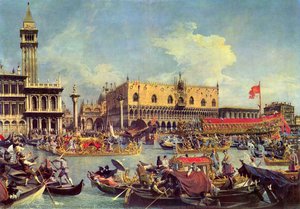
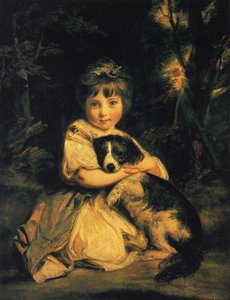
장바티스트 그뢰즈 1725–1805
French b. Tournus Rococo, Genre painting Wikipedia 22/32

Le Père de famille expliquant la Bible à ses enfants (1755): 그의 초기 성공의 초석으로 가족의 경건함을 구현한 계몽주의 이상을 담고 있습니다. La Jeune Fille qui pleure son oiseau mort (c. 1765): 그르즈의 감정 표현 능력과 애절한 스토리텔링을 보여줍니다. Savoyard with a Dancing Doll (c. 1763): 어린 시절의 정신과 취약성을 포착하고 그의 초상화 기술을 선보입니다.




33/ 100
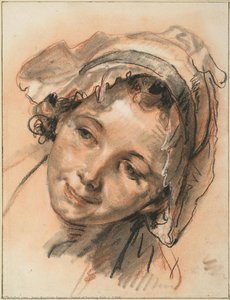
Adélaïde Labille-Guiard 1749–1803
French b. Paris Rococo to Neoclassicism Wikipedia 20/32

Adélaïde Labille-Guiard (1749–1803) stands as a remarkable figure in the history of French art, not merely for her exquisite portraits but also for her courageous challenge to the restrictive conventions that governed women’s roles within the artistic world. Other notable works include portraits of prominent figures such as Madame Adélaïde and Victoire, the elder sisters of Louis XVI, and numerous studies of drapery, reflecting her technical expertise and keen eye for detail.


38/ 100
지암바티스타 피토니 1687–1767
b. 베네치아 Late Baroque, Rococo Wikipedia 19/32

In the vibrant, water-bound splendor of eighteenth-century Venice, few artists captured the theatrical essence of the late Baroque and Rococo periods as fluently as Giambattista Pittoni. His early training was deeply personal, conducted under the guidance of his uncle, Francesco Pittoni, a painter of the Venetian Baroque.
Trained by Antonio Balestra #69




45/ 100
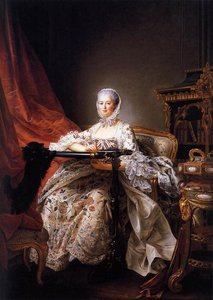
Elisabeth-Louise Vigée-Lebrun

She traveled extensively throughout Europe – Italy, Austria, Russia, and England – continuing to paint portraits of the aristocracy and establishing new networks of patronage.


49/ 100
Charles Amédée Philippe Van Loo 1719–1795
French b. Rivoli Rococo, Portraiture Wikipedia 13/32

He skillfully blended these influences to create a distinctive Rococo style characterized by its elegance, grace, and theatricality. The Camera Obscura (1764): This captivating painting, now housed in the Louvre, exemplifies Vanloo’s mastery of light and shadow.
Trained by Jean-Baptiste van Loo #53


53/ 100
Jean-Baptiste van Loo 1684–1745
French b. Aix-en-Provence Baroque, Rococo Wikipedia 15/32

A pivotal moment arrived with the patronage of Prince Emmanuel Philibert of Carignano, who recognized van Loo’s burgeoning talent and sponsored his journey to Rome. Following Rome, van Loo’s artistic path led him to Turin, where he painted portraits of Charles Emmanuel II, Duke of Savoy, and members of his court, further solidifying his reputation among European nobility.


54/ 100
John Wollaston 1742–1775
English Rococo Painting

Settling initially in New York City, Wollaston began a nomadic period of intense creativity, traveling along the Atlantic seaboard to bring the latest London fashions to American patrons.


55/ 100
Carl Gustaf Pilo 1711–1793
Swedish b. Runtuna Rococo Wikipedia 12/32

Born in 1711 on the farm Göksäter near Nyköping, Sweden, Pilo emerged from humble beginnings as the son of Olof Pilo, a skilled decorative painter. His early training, likely influenced by his father's work at Drottningholm and Stockholm Palace, provided him with a foundational mastery of craftsmanship that would later allow him to navigate the sophisticated circles of European royalty.


56/ 100
Anna Dorothea Therbusch 1721–1782
German b. Berlin Rococo Wikipedia 13/32

Anna Dorothea Therbusch (1721-1782) stands as a remarkable figure in the annals of Rococo art history —a woman artist who defied societal expectations and achieved considerable renown during the Enlightenment.


59/ 100
Michele Marieschi 1710–1743
Italian b. Venice Vedute Venice Wikipedia 9/32

Scholars often point to the influence of masters such as Gaspare Diziani and the legendary Canaletto, whose works provided a blueprint for capturing the grandeur of urban environments.


60/ 100
Antonio Corradini 1668–1752
Italian b. Este Rococo

After leaving Vienna, Corradini spent his final years in Rome and Naples, continuing to refine his art until his death in 1752.


61/ 100
마이센 자기 제조소 1710년생
독일 b. 마이센 경질 자기

"미덕의 알레고리 인물상" – 복잡한 개념을 조각적 형태로 포착해내는 공장의 능력을 보여주며, 세밀한 디테일과 정제된 예술적 비전을 선보입니다. "엎드린 표범" – 사실주의와 우아함의 숙련된 조화를 나타내며, 동물을 놀라운 정확도와 품격으로 묘사하고자 했던 마이센의 헌신을 반영합니다.


62/ 100
Gerard van Spaendonck 1746–1822
b. Tilburg Wikipedia 12/32

Fleurs Dessinees d'apres Nature (Flowers Drawn from Life): Published between 1799 and 1801, this series of twenty-four engraved plates served as a valuable resource for students of floral painting.


69/ 100
Antonio Balestra 1666–1740
b. Verona Wikipedia 11/32

He then traveled to Bologna and subsequently Rome, working in the workshop of the renowned Carlo Maratta. Religious Commissions: He received numerous commissions for religious paintings, including works for churches such as I Gesuiti and San Zaccaria in Venice, and Sant'Ignazio in Bologna.


71/ 100
Georg Desmarées 1697–1776
Swedish-German b. Stockholm City Rococo, Portraiture Wikipedia 9/32

His early works, heavily influenced by his uncle Meytens and the French masters, exhibited a meticulous attention to detail and a restrained elegance. Other notable works include portraits of members of the Elector’s family, such as The Countess Holstein (Lenbachhaus, Munich) and The Princess Portia (Staatsgalerie, Stuttgart).


74/ 100
Jacques De Lajoue 1686–1761
French b. Paris Neoclassical Painting Wikipedia 8/32

In pieces such as " Fantaisie architecturale," the viewer is invited to wander through spaces where neoclassical elegance meets the untamed beauty of nature.


77/ 100
Per Krafft the Elder 1724–1793
Swedish b. Arboga Rococo Wikipedia 7/32

Ultimately, the work of Per the Elder Krafft remains a vital touchstone for understanding the cultural heartbeat of eighteenth-century Sweden.


78/ 100
Johann Georg Pinzel 1715–1761
Ukrainian, Czech b. Buchach Baroque, Rococo

Pinsel’s ascent as a sculptor was inextricably linked to the patronage of Mikołaj Bazyli Potocki, a wealthy Polish aristocrat with discerning taste.


79/ 100
Alessandro Longhi 1733–1813
b. Venice Wikipedia 10/32

Longhi specialized in portraiture, particularly depictions of Venetian nobles and prominent figures. Portrait of Carlo Lodoli (1760): This Baroque-style portrait showcases Venetian realism and attention to detail, depicting a monk engaged in study.


80/ 100
Giuseppe Bonito 1707–1789
Italian b. Castellammare di Stabia Rococo Wikipedia 11/32

Born in 1707 in Castellammare di Stabia, Bonito emerged from a period of profound artistic transition, where the dramatic weight of the Baroque was beginning to soften into the playful elegance of the Rococo.


83/ 100
Luis Paret Y Alcázar 1746–1799
Spanish b. Madrid Rococo Wikipedia 8/32

His life, spanning from his birth in Madrid in 1746 to his passing in 1799, was a journey through the heart of Spanish cultural evolution.


85/ 100
Giuseppe Nogari 1699–1766
Italian b. Venice Rococo Wikipedia 8/32

Born in 1699, Nogari emerged during a transformative era when the heavy, dramatic shadows of the Baroque were beginning to yield to the light, airy grace of the Rococo. This lineage, combined with the delicate pastel sensibilities of Rosalba Carriera and the sophisticated elegance of Jacopo Amigoni, allowed him to weave together a style that was simultaneously much more grounded than the typical Rococo flourish and yet exquisitely refined.


88/ 100
Jean Raoux 1677–1734
French b. Montpellier Symbolist Art Wikipedia 7/32

Jean Raoux, born in Montpellier, France in 1677, emerged as a captivating figure within the French artistic landscape of the early 18th century. L'indiscrète (1728): A captivating depiction of a young woman caught in a private moment, revealing a sense of curiosity and vulnerability.


90/ 100
Francesco Zugno 1708–1787
Italian b. Venice Rococo Wikipedia 6/32

Within the luminous and often overwhelming splendor of eighteenth-century Venice, the name Francesco Zugno emerges as a vital, if somewhat enigmatic, thread in the tapestry of the Rococo era. His early years were shaped by the prestigious traditions of his ancestors, including the fifteenth-century painter Giambattista Zugno, and he received formal training at the Academy of Painting and Sculpture of Venice.


91/ 100
Joseph Boze 1745–1826
French b. Martigues Portraiture Wikipedia 7/32

Among his most celebrated commissions were portraits of Jean-Paul Marat—a revolutionary icon—and Charles Eugène Gabriel de la Croix, Marquis de Castries—a military leader who played a crucial role in restoring the monarchy.


92/ 100
Louis Joseph Watteau 1731–1798
French b. Valenciennes Fêtes galantes Wikipedia 6/32

Recognizing his son's prodigious talent early on, Jean secured him an apprenticeship with Antoine Goujon, a sculptor renowned for his monumental works at Versailles—a connection that would prove invaluable to Watteau’s artistic development.


93/ 100
Jacobus Buys 1724–1801
Dutch b. Amsterdam Rococo Wikipedia 5/32

The influence of earlier Dutch masters is subtly present in Buys's work, particularly in his meticulous attention to detail and the use of light and shadow reminiscent of the Golden Age painters.


94/ 100
Jeremiah Theus 1716–1774
Swiss b. Chur Rococo Wikipedia 5/32

Michael’s Episcopal Church (1756), a testament to his craftsmanship and artistic vision; the weather vane for Charleston’s City Hall; and contributions towards the construction of St.


95/ 100
Vigilius Eriksen 1722–1782
Danish b. Copenhagen Rococo Wikipedia 7/32

Born in Copenhagen, Denmark, he began his artistic journey under the guidance of the portrait painter Johann Salomon Wahl. Although he achieved significant recognition, his path was not without its hurdles; notably, despite winning a gold medal at the Royal Danish Academy of Fine Arts in 1755, he was denied formal entry into the institution itself.


96/ 100
Georg David Matthieu 1737–1778
German b. Berlin Rococo Wikipedia 6/32

He dies in 1778, leaving behind a body of work that remains housed in the collections of the Staatliches Museum Schwerin, the Gemäldegalerie Berlin, and The Metropolitan Museum of Art.


97/ 100
Robert Tournières 1667–1752
b. Ifs Wikipedia 6/32

Tournières’ artistic style reflects a fascinating transitional period within French art. His second reception in 1716, as a history painter, came with his work Invention of Drawing (1716), depicting a romantic scene illuminated by candlelight.


98/ 100
Jose Del Castillo 1737–1793
Spanish b. Madrid Neoclassical Wikipedia 7/32

Born in Madrid on October 14, 1737, Castillo emerged from a world where the flamboyant flourishes of the Rococo were beginning to yield to the disciplined rigor of Neoclassicism. His early life was marked by an extraordinary precocity; at just ten years old, he was already serving as an assistant in the preparatory drawing classes at the prestigious Real Academia de Bellas Artes de San Fernando.


99/ 100
Agostino Brunias 1730–1796
Italian b. Rome Vérité ethnographique Wikipedia 2/32

The pivotal moment in Brunias's life arrived in 1770 when he accompanied Sir William Young, the newly appointed governor of Dominica, to the Lesser Antilles.


100/ 100
Domenico Duprà 1689–1770
Italian b. Turin Rococo Wikipedia 6/32

To reflect upon the breadth of his contributions, one might consider the following pillars of his career: Stylistic Synthesis: The seamless blending of Roman classical training with the light, decorative elegance of French Rococo portraiture.


Best-known works
Famous Rococo paintings by artist
Chronology
Rococo chronology
- 1678
- 1719
- 1725
- 1730
- 1739
- 1742
- 1745
- 1745
- 1751
- 1754
- 1760
- 1765
- 1767
- 1768
Statistics
Counts by country, period and museum
Index
Full list of 100 famous Rococo 화가들
- 1
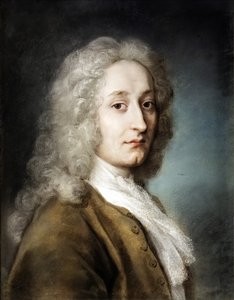 앙투안 바토프랑스 · 1684–1721
- 2
 카날레토이탈리아 · 1697–1768
- 3
 조반니 바티스타 티에폴로이탈리아 · 1696–1770
- 4
 프랑수아 부셰프랑스 · 1703–1770
- 5
 장오노레 프라고나르프랑스 · 1732–1806
- 6
 장바티스트시메옹 샤르댕프랑스 · 1699–1779
- 7
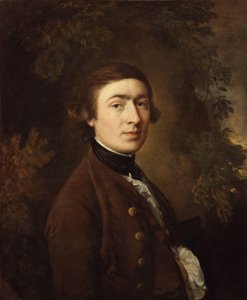 토머스 게인즈버러영국 · 1727–1788
- 8
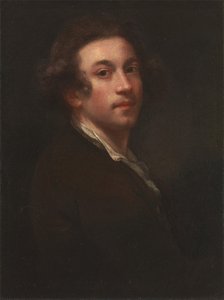 조슈아 레이놀즈영국 · 1723–1792
- 9장바티스트 그뢰즈French · 1725–1805
- 10
 베르나르도 벨로토이탈리아 · 1722–1780
- 11
 프란체스코 과르디1712–1793
- 12
 피에트로 롱기이탈리아인 · 1701–1785
- 13
 조반니 도메니코 티에폴로이탈리아 · 1727–1804
- 14
 조반니 바티스타 피아제타이탈리아 · 1683–1754
- 15
 니콜라 랑크레프랑스인 · 1689–1743
- 16
 조제프 베르네프랑스인 · 1714–1789
- 17
 로살바 카리에라이탈리아 · 1675–1757
- 18
 마르크 나티에프랑스 · 1685–1766
- 19
 캉탱 드 라 투르프랑스인 · 1704–1788
- 20
 알렉산더 로슬린스웨덴 · 1718–1793
- 21
 요한 조파니독일 · 1733–1810
- 22
 루이미셸 반 로프랑스 · 1707–1771
- 23
 장-에티엔 리오타르스위스 · 1702–1789
- 24
 프랑수아 르모인프랑스 · 1688–1737
- 25
 장 프랑수아 드 트로이프랑스 · 1645–1730
- 26
 장 바티스트 파테르프랑스 · 1695–1736
- 27
 샤를앙드레 반 루프랑스 · 1705–1765
- 28
 프란체스코 주카렐리이탈리아 · 1702–1788
- 29
 자코포 아미고니이탈리아 · 1682–1752
- 30
 샤를조제프 나투아르프랑스 · 1700–1777
- 31
 프란츠 안톤 말베르츠독일/오스트리아 · 1724–1796
- 32
 샤를 앙투안 코이펠프랑스 · 1694–1752
- 33Adélaïde Labille-GuiardFrench · 1749–1803
- 34
 드미트리 레비츠키우크라이나-러시아 · 1735–1822
- 35
 장 바티스트 피갈프랑스 · 1725–1805
- 36
 안 발레-코스테르프랑스 · 1744–1818
- 37
 루이 장 프랑수아 라그레네프랑스인 · 1756–1827
- 38지암바티스타 피토니1687–1767
- 39
 가스파르 판 비텔네덜란드 · 1653–1736
- 40
 표도르 로코토프1730–1808
- 41
 프랑수아 위베르 드루에1727–1775
- 42
 블라디미르 보로비콥스키1757–1825
- 43
 앙투안 페스느프랑스 · 1683–1757
- 44
 앨런 램지1713–1784
- 45Elisabeth-Louise Vigée-Lebrun
- 46
 코라도 자쿠인토이탈리아 · 1703–1766
- 47
 요한 하인리히 티슈바인독일 · 1722–1789
- 48
 크리스티안 빌헬름 에른스트 디트리히독일 · 1712–1774
- 49Charles Amédée Philippe Van LooFrench · 1719–1795
- 50
 구스타프 룬드베리스웨덴 · 1695–1786
- 51
 라그레네 르 에네English · 1725–1805
- 52
 야코프 데 비트네덜란드 · 1695–1754
- 53Jean-Baptiste van LooFrench · 1684–1745
- 54John WollastonEnglish · 1742–1775
- 55Carl Gustaf PiloSwedish · 1711–1793
- 56Anna Dorothea TherbuschGerman · 1721–1782
- 57
 요한 게오르크 플라처오스트리아 · 1704–1761
- 58
 나다니엘 혼네덜란드 · 1718–1784
- 59Michele MarieschiItalian · 1710–1743
- 60Antonio CorradiniItalian · 1668–1752
- 61마이센 자기 제조소독일 · 1710년생
- 62Gerard van Spaendonck1746–1822
- 63
 조셉 하이모어영국인 · 1692–1780
- 64
 장 자크 카피에리프랑스 · 1678–1755
- 65
 장 바티스트 페로노프랑스 · 1715–1783
- 66
 프랜시스 헤이먼영국인 · 1708–1776
- 67
 루이 토케프랑스 · 1696–1772
- 68
 도나토 크레티이탈리아 · 1671–1749
- 69Antonio Balestra1666–1740
- 70
 가스파레 트라베르시이탈리아 · 1722–1770
- 71Georg DesmaréesSwedish-German · 1697–1776
- 72
 장 바티스트 필레몽프랑스 · 1728–1808
- 73
 코르넬리스 트루스트네덜란드 · 1696–1750
- 74Jacques De LajoueFrench · 1686–1761
- 75
 리처드 코스웨이영국 · 1742–1821
- 76
 필리프 메르시에프랑스 · 1689–1760
- 77Per Krafft the ElderSwedish · 1724–1793
- 78Johann Georg PinzelUkrainian, Czech · 1715–1761
- 79Alessandro Longhi1733–1813
- 80Giuseppe BonitoItalian · 1707–1789
- 81
 크리스토프 위에프랑스 · 1700–1759
- 82
 루이 드 실베스트르프랑스 · 1675–1760
- 83Luis Paret Y AlcázarSpanish · 1746–1799
- 84
 요한 살로몬 발독일, 덴마크 · 1689–1765
- 85Giuseppe NogariItalian · 1699–1766
- 86
 장 랑크French · 1674–1735
- 87
 나사니엘 호언아일랜드 · 1718–1784
- 88Jean RaouxFrench · 1677–1734
- 89
 에두아르 오노레 아브프랑스 · 1818–1890
- 90Francesco ZugnoItalian · 1708–1787
- 91Joseph BozeFrench · 1745–1826
- 92Louis Joseph WatteauFrench · 1731–1798
- 93Jacobus BuysDutch · 1724–1801
- 94Jeremiah TheusSwiss · 1716–1774
- 95Vigilius EriksenDanish · 1722–1782
- 96Georg David MatthieuGerman · 1737–1778
- 97Robert Tournières1667–1752
- 98Jose Del CastilloSpanish · 1737–1793
- 99Agostino BruniasItalian · 1730–1796
- 100Domenico DupràItalian · 1689–1770
FAQ
Rococo: quick answers
Who was the greatest Rococo 화가?
앙투안 바토 (#1) comes first, ahead of 카날레토 (#2) and 조반니 바티스타 티에폴로 (#3).
Which five Rococo 화가들 should everyone know?
앙투안 바토 (#1), 카날레토 (#2), 조반니 바티스타 티에폴로 (#3), 프랑수아 부셰 (#4) 및 장오노레 프라고나르 (#5).
Which Rococo 화가들 from 프랑스 are the most famous?
The highest-ranked 화가들 born in 프랑스 are 앙투안 바토 (#1), 프랑수아 부셰 (#4), 장오노레 프라고나르 (#5), 장바티스트시메옹 샤르댕 (#6) 및 장바티스트 그뢰즈 (#9).
Which country produced the most Rococo 화가들?
프랑스: 30 of the 100 화가들 in this list were born there, then 이탈리아 (15) 및 Italy (10).
Where can I see Rococo art?
Which city produced the most Rococo 화가들?
파리: 15 of the 화가들 in this list were born there.
Which Rococo 화가들 from 이탈리아 are the most famous?
The highest-ranked 화가들 born in 이탈리아 are 카날레토 (#2), 조반니 바티스타 티에폴로 (#3), 베르나르도 벨로토 (#10), 프란체스코 과르디 (#11) 및 피에트로 롱기 (#12).
In which period did Rococo art flourish?
Most 화가들 in this list were born in the 18th 세기 (62 of 100), between 1645 and 1818 overall.
Which women Rococo 화가들 are the most famous?
5 women are in this ranking: 로살바 카리에라 (#17), Adélaïde Labille-Guiard (#33), 안 발레-코스테르 (#36), Elisabeth-Louise Vigée-Lebrun (#45) 및 Anna Dorothea Therbusch (#56).
Who are the most famous living Rococo 화가들?
The highest-ranked living 화가들 in this list are 마이센 자기 제조소 (#61).
Who was the first Rococo 화가?
The earliest-born 화가 in this list is 장 프랑수아 드 트로이 (#25), born in 1645.
Where can I buy Rococo art?
Our catalogue holds 11,037 works by these 화가들. Each one can be ordered as a hand-painted oil reproduction or a print.
Guides
AllPaintingsStore.com guides
Other lists
Famous artists by movement
 유명한 Baroque 예술가밤의 망루 (De Nachtwacht) · 렘브란트
 유명한 Contemporary Realist 예술가이삭 줍는 사람들 · 장프랑수아 밀레
 유명한 Impressionist 예술가별이 빛나는 밤 (뉴욕, MoMA) · 빈센트 반 고흐
 유명한 Romanticist 예술가토성, 그의 아들을 잡아먹는 중 · 프란시스코 데 고야
 유명한 Neoclassicist 예술가The Death of Marat · 자크루이 다비드
 유명한 Realist 예술가세계의 기원 · 귀스타브 쿠르베
 유명한 Renaissance 예술가모나리자 (라 죠콘다) · 레오나르도 다 빈치
 유명한 Dutch Golden Age 예술가진주 귀걸이를 한 소녀 · 요하네스 페르메이르
 유명한 Expressionist 예술가구성 VII · 바실리 칸딘스키
 유명한 Pop Art 예술가캠벨 수프 통 · 앤디 워홀
By period
Famous artists by period
 유명한 Early Medieval 예술가Snowy River · 왕유
 유명한 High Medieval 예술가마에스타의 마돈나 (오니산티 마돈나) · 조토 디 본도네
 유명한 Late Medieval 예술가수태고지와 두 성인 · 시모네 마르티니
 유명한 Renaissance 예술가아담의 창조 · 미켈란젤로 부오나로티
 유명한 Early Modern 예술가마태오의 부르심 · 카라바조
 유명한 19th Century 예술가수련 (또는 연꽃) · 클로드 모네
 유명한 Modern 예술가게르니카 · 파블로 피카소
 유명한 Contemporary 예술가Wind Sculpture III (one in a series of nine) · Yinka Shonibare
Related lists