


 Peržiūrėti realaus dydžio版
 Pasidalinti
 Dalintis
 Išsamiau
 Vadovas

 Atsisiųsti
 Panašūs eksponatai
 Rentgeno spindulių nuotrauka
 Automatinė diorama
 Q&A
Q&A Statistika
Self-Portrait
 Acrylic On Canvas
- WallArt
- Expressionist Anxiety
 1911
1911 5.0 x 34.0 cm
 Wien Museum
 Skaityti daugiau
Rankų darbo aliejinės reprodukcijos
Rankiniu būdu tapytas aliejus ant droblio jūsų pageidaujamame dydį ir rėmuose – tai mūsų menininkų pagal užsakymą sukurtas darbas. ( Perjungti į spausdinamus版作品 Perejti prie skaitmeninių vaizdų)




P118B €10

P118H €10

P118W €10

P438Z €10

P508JH €12

P508YH €12

P805H €10

P805Z €10

P919BZ €10

P919G €10

P919XJ €10

P959ZH €10

P968JZ €12

W106C €8

W218G €10

W218JH €8

W218Y €10

W307PJ €10

W316G €10

W316PJ €8

W316Y €10

W398PJ €8

W4111J €10

W500HY €15

W500JH €15

W692G €12

W849H €8

W940BG €15

W953PJ €8




Pasirinkite iš mūsų nustatytų dydžių, atitinkančių originalaus meno kūrinio proporcijas.

Įveskite jums reikiamą plotį ir aukštį, kad paveikslas atitiktų jūsų rėmą ar sieną. Kadangi šis darbas yra rankinio darbo, siekiant išgauti kitokios formos dydį, paveikslas gali būti šiek tiek didesnis (nuo kraštų bus palikta daugiau erdvės) arba mažesnis – pasirinkite jums patogiausią variantą. Prieš pradedant tapyti, atsiųsime jums skaitmeninį maketą patvirtinimui. Šioje puslapio nuotraukoje matomas vaizdas nėra galutinis rezultatas – jį parodys tik sukurtas maketas.
Gavus užsakymą, AllPaintingsStore.com komanda susisieks su klientu el. paštu dėl instrukcijų ir pateiks maketo pavyzdį
Pristatymas visame pasaulyje () per 3–4 savaites, o ne įprastai – per 5 savaites. (28 spalis). Kokybė lieka nepakeičiama.

Nemokamas greitasis pristatymas visame pasaulyje

Aukštos kokybės lininis drobė

Pilnas siuntimo draudimas

Muitinės mokesčių grąžinimo garantija

Tikro spalvų atitikimo garantija

100 dienų grąžinimo politika (tik esant įtaigoms)

100% pinigų grąžinimo garantija

Nuolaida dideliems užsakymams
 Stiklo variantas prieinamas tik pasirinkus dydį iki 110 cm

Self-Portrait
Reprodukcijos technika
Reprodukcijos matmenys
-


Bendroji kaina
€ 227
Egon Schiele’s ‘Self Portrait’: A Study in Vulnerability and Expressionist Intensity
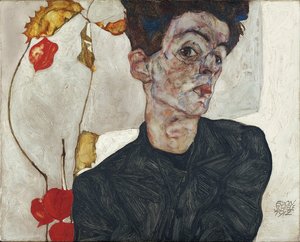
The painting “Self Portrait” by Egon Schiele, completed in 1911, stands as a cornerstone of Austrian Expressionism—a movement that sought to convey raw emotion and psychological turmoil through distorted forms and unsettling imagery. Measuring just 5 x 34 cm, this deceptively modest canvas belies the profound depth of feeling it embodies, offering viewers an intimate glimpse into Schiele’s tormented inner world. It's a piece that continues to fascinate scholars and collectors alike, prompting ongoing discussions about its artistic merit and symbolic significance.Subject Matter and Composition: A Confrontation with Mortality
Schiele’s self-portrait depicts a woman—likely Edith Harms, his wife—positioned in profile against a stark white background. Her gaze is direct, unflinching, meeting the viewer head-on, conveying an unsettling blend of vulnerability and defiance. The woman's hand reaches upwards towards her face, obscuring her eyes with fingers curled inward – a gesture that speaks volumes about anxiety and concealment. This posture immediately establishes a dialogue between the artist and the audience, inviting contemplation on themes of isolation and psychological struggle. Schiele’s masterful use of composition draws attention to the central figure, emphasizing her expressive facial features and highlighting the tension inherent in her gaze. The simplicity of the background serves to amplify this impact, allowing the viewer to focus entirely on the woman's emotional state.Style and Technique: Distortion as Emotional Revelation
Schiele’s distinctive style is characterized by bold lines, angular shapes, and a deliberate flattening of perspective—techniques that are hallmarks of Expressionism. He eschewed traditional realism in favor of conveying inner feelings through visual distortion. The painting utilizes thick impasto – applying paint thickly onto the canvas – creating textural surfaces that contribute to the overall sense of unease. Schiele’s meticulous attention to detail, particularly in rendering the woman's hair and skin tones, underscores his commitment to capturing subtle nuances of emotion. Unlike many artists of his time who aimed for idealized beauty, Schiele deliberately rejected conventional aesthetics, prioritizing psychological truth over visual perfection.Historical Context: The Shadow of Trauma
Created during a period marked by significant personal upheaval—Schiele’s father succumbed to syphilis shortly before he was born, and his sister tragically died young—the painting reflects the pervasive anxieties surrounding mortality that permeated Viennese intellectual circles at the time. Expressionism emerged as a reaction against the optimism of late Victorian culture, grappling with themes of disillusionment, trauma, and existential dread. Schiele’s work aligns perfectly with this artistic impulse, articulating profound psychological concerns through unsettling imagery and emotionally charged brushstrokes. The painting's creation coincided with Schiele’s marriage to Edith Harms, a union that would bring him both joy and sorrow as he navigated the challenges of domestic life amidst his artistic pursuits.Symbolism: Gesture and Expression
The upward-reaching hand is arguably the most potent symbol within the portrait. It represents not only physical concealment but also an attempt to shield oneself from overwhelming emotion—a gesture that resonates with Schiele’s own struggles with mental health. The woman's gaze, unwavering and slightly averted, embodies defiance against despair while simultaneously conveying a palpable sense of vulnerability. These visual cues invite viewers to consider the complexities of human experience and to confront uncomfortable truths about the human condition.Emotional Impact: A Window into the Artist’s Soul
“Self Portrait” transcends mere representation; it is an emotional distillation—a visceral portrayal of Schiele's inner turmoil. The painting compels us to contemplate themes of anxiety, isolation, and the inescapable awareness of death. Its unsettling beauty lies precisely in its ability to evoke empathy and provoke introspection. It remains a testament to Schiele’s artistic genius and his unwavering commitment to exploring the darkest recesses of human consciousness—a captivating piece that continues to inspire awe and contemplation decades after its creation.Klausimai ir atsakymai
Ar galėčiau „Self-Portrait“ peržiūrėti kaip pilno ekrano nuotraukų rodyklę?
„Self-Portrait“ diapora prieinama puslapio Slaydšou kūrinio apžvalgos skiltyje.
Kas yra „Self-Portrait“ autorius ir kokia kūrinio data?
„Self-Portrait“ kūrybinį darbinį sukūrė Egon Šylė 1911 metais.
Kaip kontrastas ir harmonija susilieja kūryboje „Self-Portrait“?
„Self-Portrait“ – Egon Šylė spalvų kompozicijoje Statement kontrastas susilieja su Strong Color Unity harmonija.
panašūs kūriniai


Autoriaus biografija
Egon Schiele
Austrijos pozicija dviejų pasaulinio karo horizonte buvo labai abejojanti: vienu metu ji buvo šiek tiek iš Šiaurės į rytus, lengvai įsitikinusi veiksmų vyrai. Mažėjęs šalis po 1918 m., beveik visiškai neišplitusi tarptautiniu pasauliu buvo lengvai įvykdinta Hitlerio Reichui 1938 m.; meno srityje tai reiškė kad modernizmo istorija buvo išvykstanti nuo Šiaurės iki pietų, su pagrindiniu dėmesiu į formą. Vokelių šiek tiek pripažino ekspresionizmą kaip svarbų meno srovę; jis buvo vienas iš žymiausius austrių artistas XX amžiaus pradžioje – kartu su Gustavu Klimtu ir Oskar Kokoschka išvykę į Vieną buvo laikomas vienu iš Žyduvo šimtmečio svarbiausių vizualinių menininkų.
Gyvenimas
Egonas Šylė gimė 1890 m. vasario 3 d. Tulne, Austrijoje. Jo tėvas Adolfas Šylė buvo Tulno geležinkelio stoties direktorius ir gimė 1851 m. Vienoje Adolfo Šyly tevai turėjo tris jaunesnes seseris: Elvirą, Melaniją ir Gertrūdą. Elvira mirė vaikyste dėl gimtinių sifiliso. Jo tėvas buvo užsikrėtęs sifiliu įsimėlynėje savo jaunystės metais po vienos jo naujosios žmonos išėjimo iš kambario.
Meno vystymasis
Šylė mokytojo Christian Griepenkerl įtaką išgyveno Vienoje 1907 m. ir G. Klimtas tapo jo svarbiu rėmėju. Šylė paliko akademiją 1906 m., nes jos mokymo metodai buvo labai konservatyvus, ir įkūrė Naują austrių dailės grupę 1909 m. Grupėje vyravo ekspresionistinė estetika, kuri iššūkiant šiuolaikinėms kultūros normas.
Žymūs kūriniai
Šylė buvo vienas iš žymiausius austrių artistas XX amžiaus pradžioje – kartu su Gustavu Klimtu ir Oskar Kokoschka išvykę į Vieną buvo laikomas vienu iš Žyduvo šimtmečio svarbiausių vizualinių menininkų. Šylė buvo ekspresionizmo meno srovės atstovas.
Žymūs veiksniai
Šylė buvo žinomas dėl savo iššūkiantį įžiūrą į pasaulio problemas ir šiuolaikinę estetika, kuri iššūkiant šiuolaikinėms kultūros normas. Šylė buvo ekspresionizmo meno srovės atstovas.
Egon Šylė
1890 - 1918 , Austrija
Trumpa informacija
- Artistic Movement Or Style: Ekspresionizmas
- Artists Who Influenced This Artist: ['Gustavas Klimtas']
- Date Of Birth: 1890 m.
- Date Of Death: 1918 m.
- Full Name: Egon Schiele
- Nationality: Austras
- Notable Artworks:
- Savęs portretas su fizižalis
- Porą įemčianti
- Žemės apėjimų kraštovaizdis
- Place Of Birth: Tulnas, Austrija
Susiję straipsniai
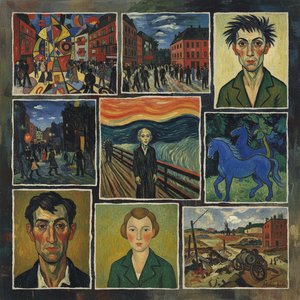
Expressionist Painting: 10 Masterpieces That Defined a Movement | AllPaintingsStore
Explore 10 Expressionist paintings that revolutionized art! Discover Munch, Kirchner & Kandinsky's iconic works. Find museum-quality reproductions and vibrant canvas prints to elevate your home decor on AllPaintingsStore.com.

Dark Masterpieces: 10 Iconic Paintings Dominated by Black Tones |
Explore 10 iconic paintings dominated by black tones, from Rembrandt’s chiaroscuro to Goya's dark expressions. Discover the stories behind these masterpieces & find museum-quality art reproductions for your home at .

Ekspresionizmo Deimantai: 10 Šedevrai Jūsų Namų Dekorui
Atraskite ekspresionizmo šedevrus! 10 įtakingiausių meno kūrinių, atskleisiančių Muncho, Kirchnerio ir kitų meistrų emocijas. Išmokite apie tapybos stilius bei spalvų paletę. Aukščiausios kokybės dailės reprodukcijos jūsų namams – AllPaintingsStore.com.
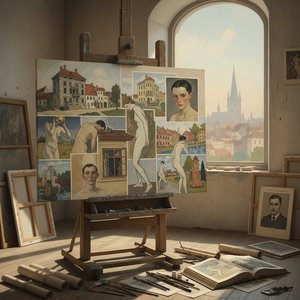
Egon Schiele: 25 Šedevrai, Atspindintys Menininko Sielą | AllPaintingsStore.lt
Atraskite 25 įspūdingiausius Egon Schiele šedevrus! Gilinkitės į ekspresionizmo pasaulį, portretų istorijas ir unikalią menininko spalvų paletę. Aukštos kokybės reprodukcijos interjerui – AllPaintingsStore.lt

Egon Schiele: Expressionism, Anxiety & the Modern Condition – A Comprehensive Exploration
Explore the emotionally charged world of Egon Schiele (1890-1918). Discover his Expressionist masterpieces, psychological themes, and lasting impact on modern art. A comprehensive guide for collectors & enthusiasts.


